Here's the uncomfortable part of this category, straight from a 180-comment r/aeo thread in June asking which AI visibility tools are any good. One reply compared the whole idea to asking a magic 8-ball the same ten questions ten times, counting how often it says your name, and putting that on a chart.
The point stands. AI answers change from run to run. SparkToro's research with Gumshoe found that the odds of ChatGPT, Claude or Google AI giving the same list of brands twice were under 1 in 100. Tracking still works, but only when you treat it as a trend across repeated checks, not a score from one run.
What are actually the best AI visibility tools right now?
Saw a post on r/SEO on this but there were 100 spam comments and no clear answer lol. So, thought I’d try it myself on here! I’ve tried quite a few different AI tools. There are some good ones out. There’s also a lot of rubbish too. A lot o...
This list covers eight tools that track whether AI engines mention and cite your brand. It's about monitoring, and our list of LLM SEO tools covers the ones that also diagnose why you're missing. If you want the manual method first, our guide to tracking brand mentions across AI search walks through it. Every price, engine list and trial below was checked on the vendors' own sites on September 26, 2026.
The short list
| Tool | Starts at | Engines covered | How often | Trial |
|---|---|---|---|---|
| Semrush AI Visibility Toolkit | $99/mo per domain | ChatGPT, Google AI, Gemini, Perplexity | Daily | 7 days |
| Ahrefs Brand Radar | Free prompts on paid plans; Index $199/mo | Up to 7 incl. Claude on custom prompts | Daily to monthly | Not stated |
| RankControl | $400/mo | ChatGPT, Perplexity, Claude, Gemini, Grok, Google AI Mode, Google AI Overviews | Weekly | 7 days |
| Profound | Custom | Up to 9 on Enterprise, no Grok | Daily | 7 days, 3 engines |
| Peec AI | $95/mo | Any 3 of 14 models | Daily | Not stated |
| SE Visible | $71/mo billed yearly | 4 answer engines; Claude on the Agency plan | Daily | 10 days |
| Otterly.AI | $29/mo | 4, more as add-ons | Daily | 7 days, no card |
| LLMrefs | $79/mo | 10 named, incl. Grok | At least weekly | 7 days |
What to look for in a brand mention tracker
Four things separate a useful tracker from a pretty chart.
First, mentions and citations reported separately. A mention is your name in the answer, and a citation is a link to a page the engine used. Lily Ray pointed out in April that ChatGPT had started linking out to sites less often, so a brand can be recommended and still see little referral traffic. You need to see both numbers.
To me, this is some of the biggest news in AI search right now that I'm not sure enough people are talking about. (Props to @5eg at @resoneo for pulling & visualizing this data) ChatGPT 5.3 was launched on March 3, and the model is now linking out to sites a lot less than https://t.co/elMWLrOt8v
 Lily Ray 😏@lilyraynycApr 7, 2026
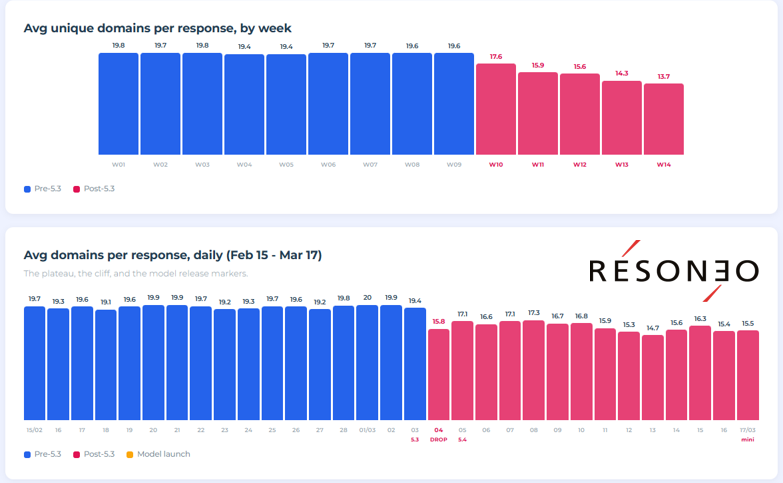
Second, results split by engine. A score that blends ChatGPT, Perplexity and Google into one average hides the engine where you're missing. Third, the sources behind each answer, so you can tell whether the engine quoted your page, a competitor's, or a Reddit thread. And fourth, the same queries checked on a steady schedule, so the trend means something. If the query list changes every week, the chart is comparing different questions.
Engine coverage is the last filter. Almost every tool here checks ChatGPT and Google, so the real differences show up in Claude and Grok, the two engines most often missing or sold as extras. Our engine-by-engine guide to AI search visibility tools maps ten tools against all six engines.
The 8 best tools to track brand mentions in AI search
1. Semrush AI Visibility Toolkit
Semrush's toolkit is the default for teams that already live in Semrush. It costs $99 a month per domain on annual billing and tracks 25 custom prompts daily across ChatGPT, Google AI, Gemini and Perplexity. You also get AI competitor analysis, prompt research and a site audit for AI readiness, next to the keyword and backlink data your team already uses.
It doesn't cover Claude, Grok or Copilot, and it's a measurement tool, so acting on the gaps stays with you. There's a 7-day free trial.
2. Ahrefs Brand Radar
Brand Radar comes in two parts. Custom prompts are free with every paid Ahrefs plan, from five daily prompts on Lite at $129 a month up to 20 on Advanced, and they cover the six main engines plus Claude. The AI Visibility Index starts at $199 a month and draws on a database of more than 538 million prompts across AI Overviews, AI Mode, ChatGPT, Perplexity, Gemini and Copilot.
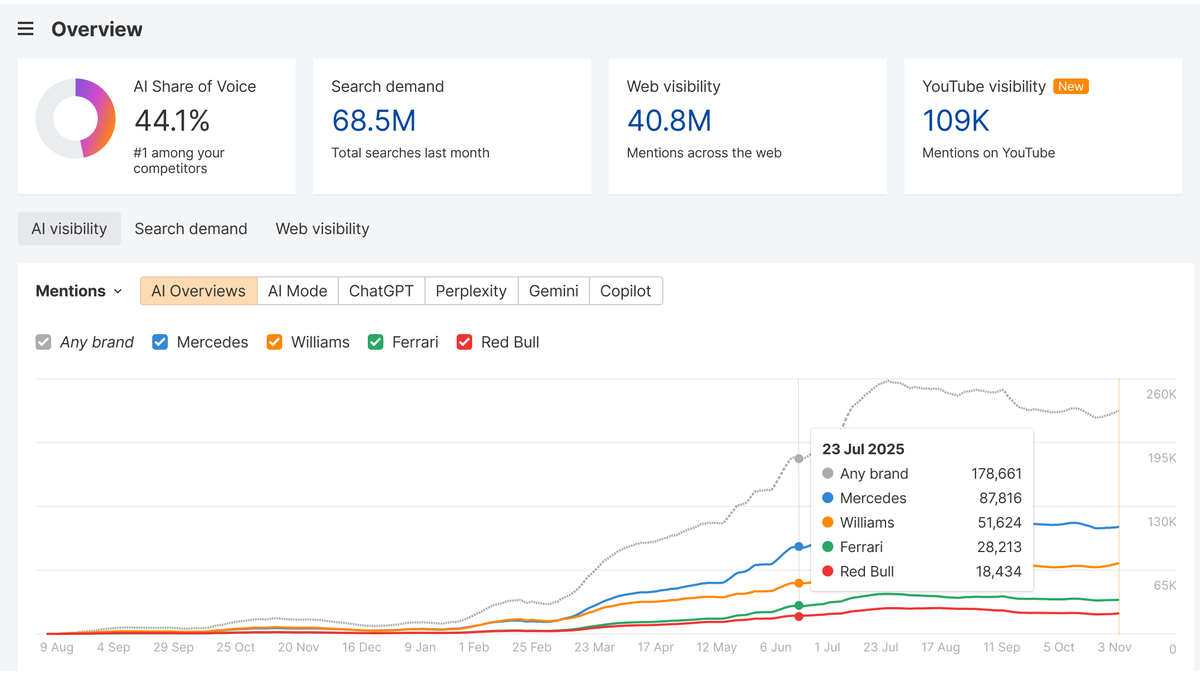
The index is the draw: you can see how your brand shows up across prompts you never thought to write. Grok isn't covered, and like Semrush, it reports rather than acts.
3. RankControl
RankControl is the pick when you want the tracking and the work that changes it in one place. AI visibility tracking checks 50 of your queries every week on ChatGPT, Perplexity, Claude, Gemini, Grok, Google AI Mode and Google AI Overviews. Our tracking records which engines named you, which competitors were named instead, and which sources the engines pulled from. The weekly rankings check adds Google and Bing positions and whether an AI Overview cited your page.
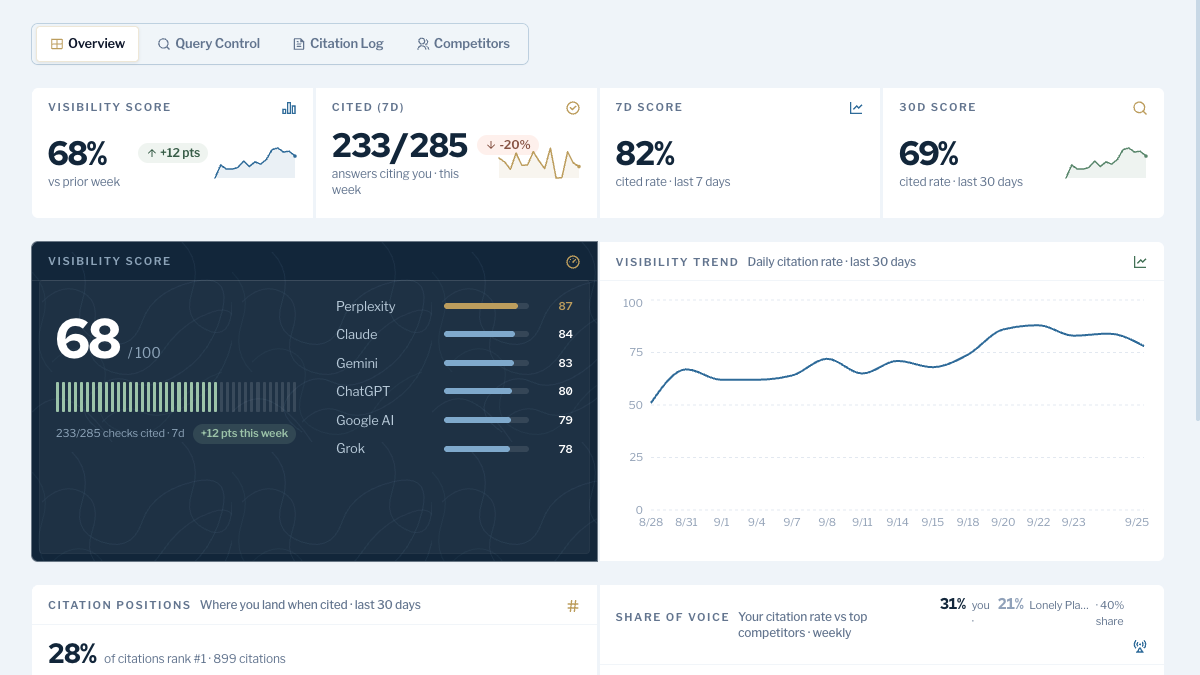
The difference is what happens after the reading. The content engine plans titles from your buyers' questions, writes each article against the pages already ranking and publishes it through the destination you connect. We also draft link outreach from your own mailbox, and a weekly email sums up new citations, ranking moves and visits that came from AI answers. We offer one plan at $400 a month with a 7-day free trial, and we check weekly rather than daily.
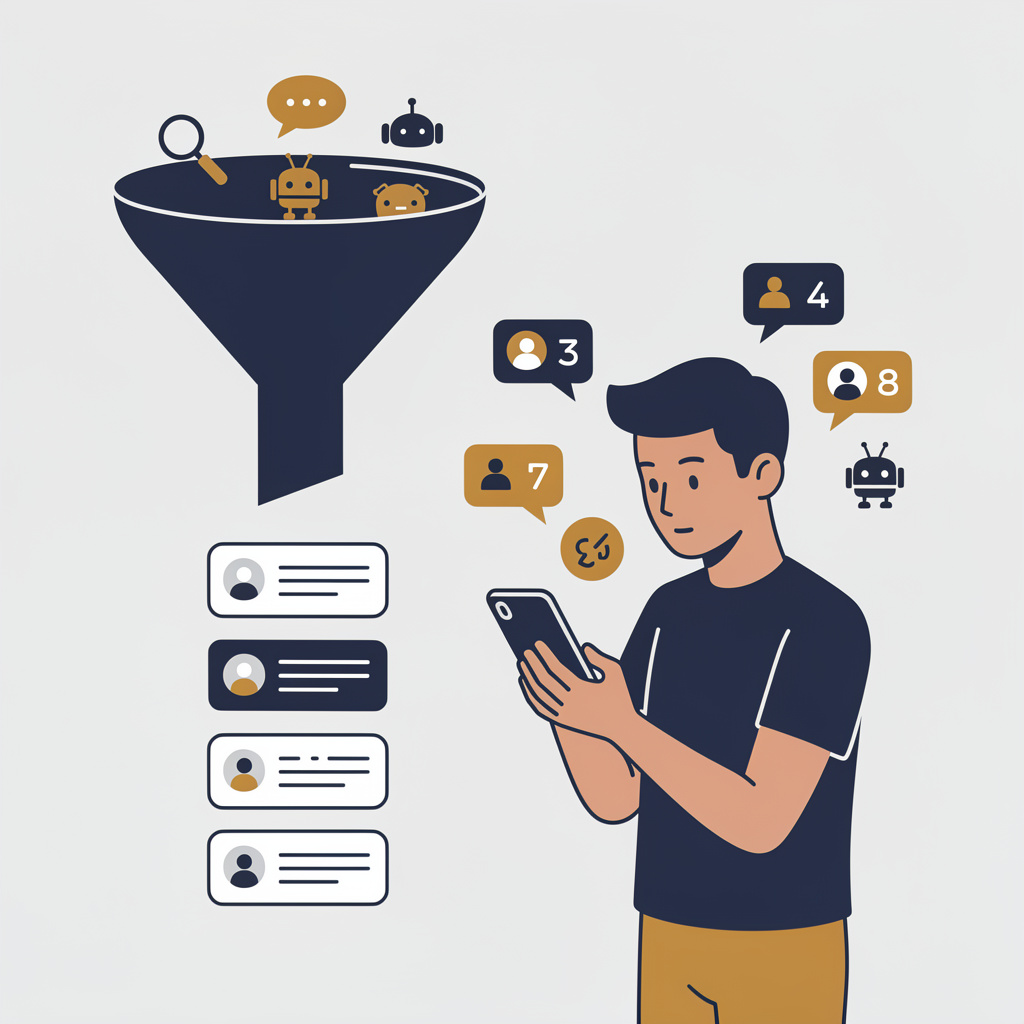
You're getting AI traffic. But do you know where it comes from?
RankControl credits every visit to the assistant that sent it: ChatGPT, Perplexity, Claude, Gemini, Copilot, or Grok. Full source attribution, next to your Google traffic.
4. Profound
| Profound | |
|---|---|
| Price | Custom Enterprise pricing; agency workspaces at $399/mo each |
| Trial | 7 days, 50 fixed prompts on ChatGPT, Gemini and Google AI Overviews |
| Enterprise engines | Up to 9, including Claude, Copilot and DeepSeek; no Grok |
| Exports | CSV, JSON and API on Enterprise only |
Profound is the enterprise name in this category, with deep sentiment and citation reporting across up to nine engines. The trial is narrow, though: a fixed set of prompts on three engines, with no exports or history. Our RankControl vs Profound comparison covers the plans in more depth.
5. Peec AI
Peec AI is the flexible one. Starter is $95 a month for 50 prompts with unlimited users and daily tracking, and you pick any three models from a list of 14. That list includes Claude, Grok, Copilot and DeepSeek, which makes Peec a cheap way to watch an engine the big suites skip.
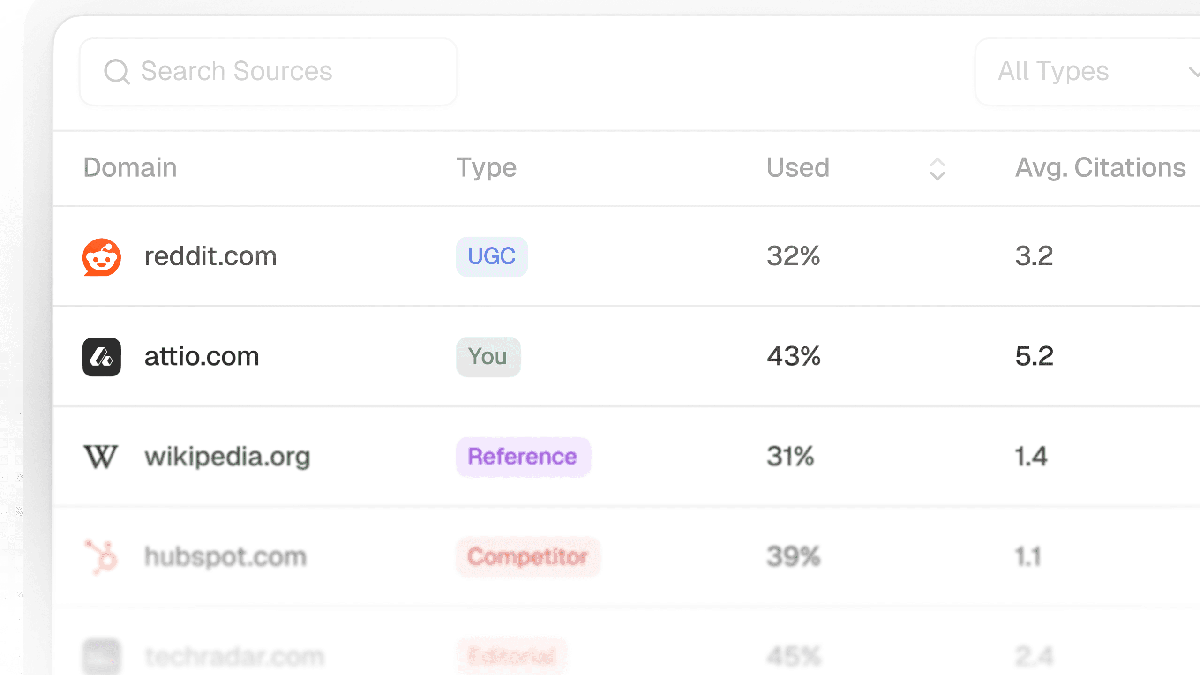
Its source view separates your own domain from competitors, Reddit and reference sites in each answer. One buyer on r/SEO_tools_reviews noted that the trial asks for a card, and that the EU checkout showed $296.45 a month on the $245 tier once VAT was added.
6. SE Visible
SE Visible is SE Ranking's standalone tracker, and its selling point is how it collects answers. Its FAQ says it gathers "real AI responses using a browser and graphical user interface, not simulated answers or API-based results." That matters because answers from an API can differ from what a person sees in the app.
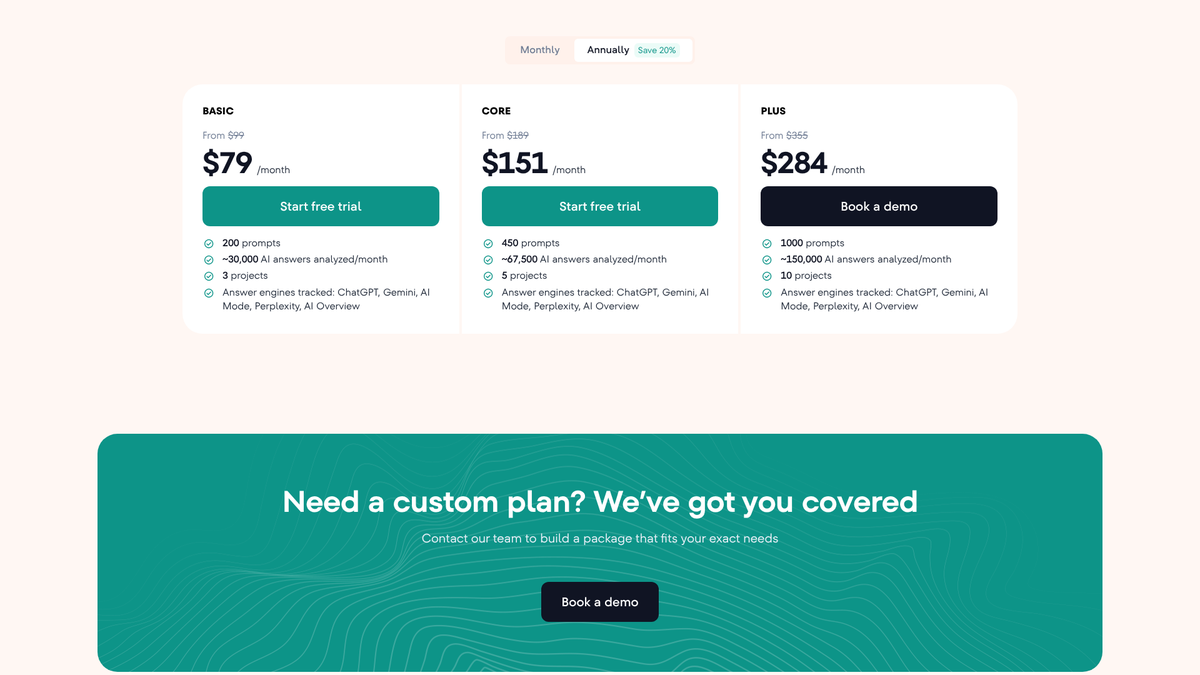
Basic is $71 a month billed yearly ($89 monthly) for 75 prompts, which works out to about 11,250 answers a month. Core is $151 for 200 prompts. Checks run daily across ChatGPT, Google AI Overviews, AI Mode and Gemini. Claude is tracked only on the Agency plan ($319 billed yearly), by asking the model directly without web search. The 10-day trial is the longest here. We compared the wider SE Ranking platform in RankControl vs SE Ranking.
7. Otterly.AI
Otterly.AI is the cheapest way to try tracking. Lite is $29 a month for 15 prompts, Standard is $189 for 100, and Premium is $489 for 400, with 15% off yearly. Every plan tracks ChatGPT, Google AI Overviews, Perplexity and Copilot daily, and Claude, Gemini and Google AI Mode are paid add-ons. The plans also list tracking of ChatGPT's new ad units.
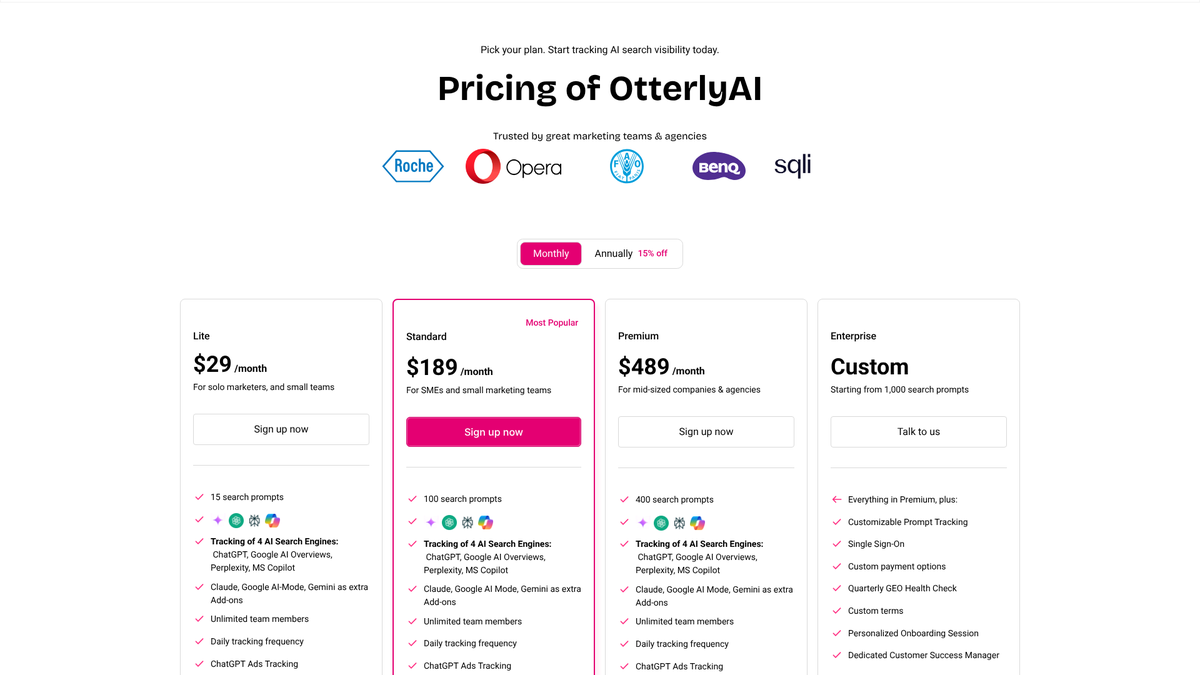
The 7-day trial doesn't ask for a card. The same r/SEO_tools_reviews reply said Otterly gave them the full report with no card at all, which made it the easiest of the three they tested.
8. LLMrefs
LLMrefs keeps pricing simple: one plan at $79 a month with 500 prompts. It names ten engines, Grok, Claude and DeepSeek among them, the widest list on this page at that price. The catch is cadence. Its site says every keyword is updated in the dashboard at least once a week, with checks in between when it can.
There's a 7-day trial, and the price is marked as a limited-time offer.
Two more names come up on shortlists. AthenaHQ has a free tier and a $295 Starter plan covering 11 models, including Grok and DeepSeek. Scrunch starts at $250 a month billed yearly for seven engines, including Meta AI. Both sit closer to enterprise budgets than the tools above.
We'll show you exactly where your brand stands in AI search.
No commitment. $0 due today, cancel anytime. See how ChatGPT, Perplexity, Claude, Gemini, Grok, Google AI Mode, and Google AI Overviews talk about your brand today.
Why daily numbers jump around
Every tool on this list checks answers that change on their own. SparkToro's study with Gumshoe had 600 volunteers run the same prompts almost 3,000 times, and identical brand lists were rare. The same study found something more useful: the top brands in a category still showed up in 55% to 77% of answers, however the question was worded.
So the consideration set holds steady even when the exact list isn't. That's what a tracker should show you: whether you're in that set, and whether you're moving toward it.
A September study from Detailed, which is owned by Ahrefs, points the same way. Across 28 days of ChatGPT and AI Overviews answers, brands that were recommended most days changed little from one day to the next. The churn came from brands at the edge of the list, which appeared one day and vanished the next. A 20-point swing in one day usually says more about the engine than about your brand.
Three habits make any tool more reliable:
- Keep your query list fixed for at least a month before you change it.
- Compare week against week, not day against day.
- Check the sources behind each answer, since that's where you can act.
Which tracker fits your team?
| If you... | Pick |
|---|---|
| Already pay for Semrush | Semrush AI Visibility Toolkit |
| Already pay for Ahrefs | Ahrefs Brand Radar |
| Want the tracking and the work that changes it | RankControl |
| Are a large brand with a sales-led budget | Profound |
| Need one specific engine like Grok or DeepSeek | Peec AI |
| Want answers collected from the real app | SE Visible |
| Want to test the idea for $29 | Otterly.AI |
| Want wide engine coverage on one cheap plan | LLMrefs |
The pick for brand mention tracking
For pure monitoring, start with the suite you already pay for. Semrush's toolkit or Ahrefs Brand Radar puts AI mentions next to your keyword and backlink data, and that's hard to beat for context.
A tracker only tells you where you stand, though. Moving the number takes pages worth citing, published on your domain, and links pointing to them. We compared those tools in our roundup of GEO tools for B2B SaaS.
You can do that work by hand: write the pages, publish them, pitch the links and check seven engines every week. Or RankControl's agents can run the loop every month while you focus on your product. Curious where you stand today? Run a free check of your brand in AI answers.
Know exactly what AI says about your competitors.
RankControl's Recon Agent monitors competitor citations across ChatGPT, Perplexity, Claude, Gemini, Grok, Google AI Mode, and Google AI Overviews. See where they show up and you don't.