
In August, a founder posted in r/SaaSMarketing that SEO was set up on their new product, but it was getting fewer than five clicks and almost no signups. They listed every channel they'd heard of and asked which to try first.
SEO is set up, but my SaaS is getting almost no traffic or signups, what should I focus on next?
Hey everyone, I’m building a SaaS product and currently trying to figure out how to grow traffic and get my first consistent users. I’ve already worked on SEO and the basic setup seems to be in place, but growth has been very limited. I’m s...
One reply summed up the problem. With fewer than five clicks, the SEO isn't set up, it's installed. A new domain with no links doesn't rank for months, however clean the technical side is.
That's normal, and it's fixable. This guide covers why a new B2B SaaS site starts near zero and which searches a new site can actually win. It then covers the first pages to publish, where early links come from and what the first 90 days look like. Sources were checked on September 27, 2026.
Why a new SaaS site starts near zero
Search engines need time and signals. Google's own starter guide sets the expectation plainly:
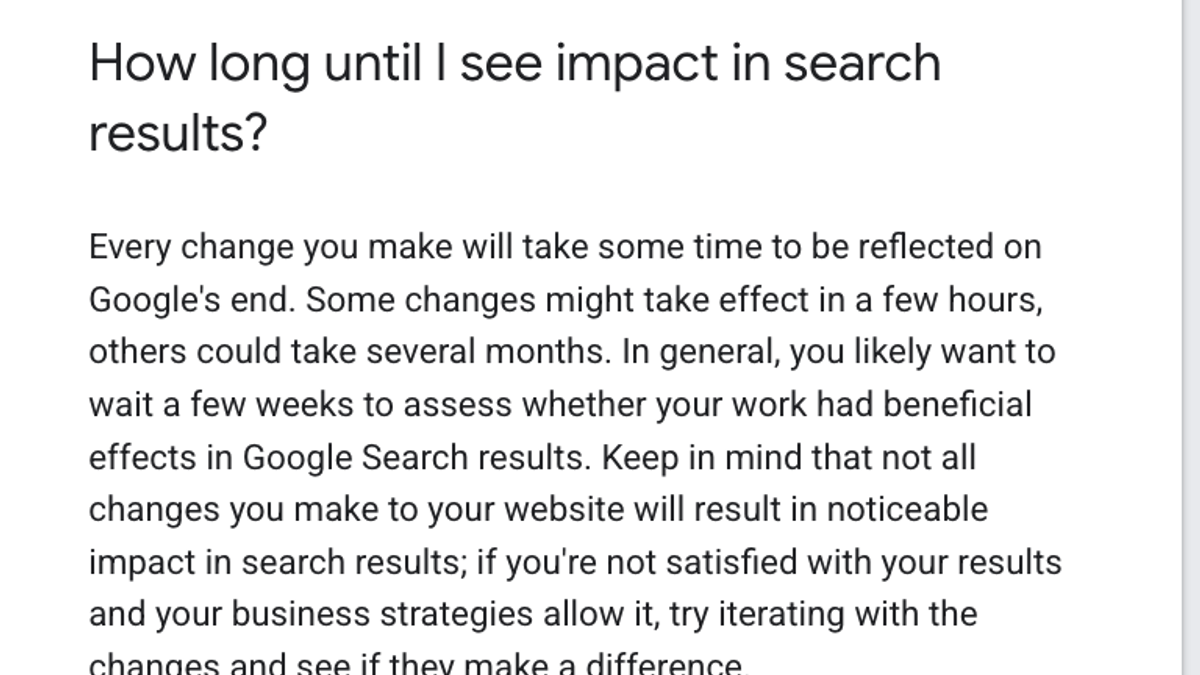
The same guide says Google mainly finds pages through links from pages it has already crawled. A new site has almost none, so Google finds it slowly and has little reason to rank it above established competitors.
Paid search looks like the shortcut, but in a crowded category it's expensive. In Google's keyword data for September, "help desk software" cost about $123 a click. "Freshdesk vs zendesk" was about $131, and "zendesk alternatives" about $100. At those prices, $1,000 a month buys roughly ten visits.
So early traffic comes from picking searches a new site can win, and from getting found through links and listings while rankings build.
We'll show you exactly where your brand stands in AI search.
No commitment. $0 due today, cancel anytime. See how ChatGPT, Perplexity, Claude, Gemini, Grok, Google AI Mode, and Google AI Overviews talk about your brand today.

What page one looks like in a crowded category
To see which searches are open to a newcomer, we checked Google's US top 10 on September 27 for ten help desk searches. Help desk software is a crowded category with well-funded incumbents, which makes it a fair test. Here's who held the organic results on page one:
| Search | US monthly searches | Software companies' pages | Reddit on page one |
|---|---|---|---|
| canned responses examples | 12,100 | 7 of 8 | No |
| help desk software | 6,600 | 4 of 9 | Yes |
| ticketing system | 1,900 | 7 of 9 | Yes |
| best help desk software | 720 | 7 of 8 | Yes |
| zendesk alternatives | 720 | 7 of 9 | Yes |
| shared inbox for gmail | 480 | 5 of 8 | Yes |
| freshdesk vs zendesk | 390 | 6 of 9 | Yes |
| zendesk slack integration | 320 | 8 of 8 | No |
| help scout alternatives | 170 | 8 of 9 | Yes |
| help desk metrics | 110 | 6 of 9 | Yes |
Three things stood out.
Software companies' own pages held 65 of the 86 organic results. Review sites and big publishers didn't lock up page one, even for "best" and "alternatives" searches.
Smaller companies ranked too. A support tool called eesel ranked first for "help scout alternatives," above Help Scout's own homepage. Featurebase, a feedback tool, showed up on three of the ten pages. Tools such as HelpCenter.io and Typedesk also made page one.
And the biggest search wasn't about the category at all. "Canned responses examples" gets about 12,100 US searches a month, around 17 times as many as "best help desk software."
We call these job queries: searches about the work your product helps with, instead of searches for the product itself. People typing them aren't shopping yet, but they're doing the job your software does. For a new site, job queries are often the widest door in. Small ones count too. Only about 110 people a month search "help desk metrics," but the people searching it are likely running a support team.
The first pages to publish
A new site can't publish everything at once, so order matters. This sequence starts with the pages closest to a purchase and adds reach from there:
| Page | Example search | Why it works early |
|---|---|---|
| Alternatives pages | "zendesk alternatives" | Buyers are already switching, and vendors hold most of page one |
| Comparison pages | "freshdesk vs zendesk" | High intent, and a fair comparison earns trust and citations |
| Job query pages | "canned responses examples" | Large searches where how-to and template pages rank |
| Integration pages | "zendesk slack integration" | Partner marketplaces and small add-on vendors rank alongside the big two |
| Pricing and product pages | "help scout pricing" | Needed for conversion and for AI answers about you |
Start with alternatives pages for the two or three tools your buyers leave most often. Be fair about what the incumbent does well and say who should stay with it. Our guide to alternatives pages covers the structure, and our piece on comparison pages covers head-to-head pages.
For job query pages, look at the everyday tasks your buyers search for. A help desk's buyers search for reply templates, support metrics and how to share an inbox. Publish the genuinely useful version: real examples, a working template or a step-by-step setup. Mention your product where it fits the task, not in every paragraph.
Integration pages are easy to overlook. For "zendesk slack integration," Slack's site held two of the eight results, including its marketplace listing. If your product connects to tools your buyers already use, a listing in each partner's marketplace is both a link and a source of visits.
Know exactly what AI says about your competitors.
RankControl's Recon Agent monitors competitor citations across ChatGPT, Perplexity, Claude, Gemini, Grok, Google AI Mode, and Google AI Overviews. See where they show up and you don't.

Get the first links and listings
Links matter twice for a new site. They help search engines find your pages, and they send the first visitors directly.
Start with the links that come from being a real product:
- Listings in the marketplaces of every tool you integrate with.
- Partner and customer pages that mention you, with a link where it makes sense.
- A handful of relevant software directories, chosen for your category instead of submitted in bulk.
- Founder profiles and posts on the sites where your buyers spend time.
Verify your site in Google Search Console and Bing Webmaster Tools, and submit a sitemap. That doesn't earn rankings, but it removes any delay in getting found.
Communities are worth real time. Reddit appeared on page one for eight of our ten searches, usually a thread where people compared tools. Those threads rank on page one, so a useful, honest answer in one is seen by everyone who searches. Our guide to getting your first 100 users covers communities and directories in more depth.
Show up in AI answers early
AI answers are a smaller source of visits than Google for most new sites, but they can name you early. They also pick sources differently. When we asked Perplexity for Zendesk alternatives in September, most of the 12 pages it cited were alternatives pages written by help desk companies, some of them small. The same alternatives page can earn a ranking and a citation.
AI answers also repeat what they find about you elsewhere, so keep your directory and marketplace listings consistent with your site. Our guide to getting cited in AI search before launch covers where AI engines look for young companies.
What the first 90 days look like
Expect progress to show up in Search Console before it shows up in analytics:
| Stage | What to expect | What to watch |
|---|---|---|
| Weeks 1 to 4 | Pages get crawled and indexed, and a few impressions appear | Indexing status and the first queries you appear for |
| Weeks 5 to 8 | Impressions grow on long, specific searches, with a few clicks | Which pages earn impressions first |
| Weeks 9 to 13 | Clicks start on alternatives and job query pages | Signups from organic visits, alongside traffic |
Timelines vary with your category and how many links you earn, so treat this as a shape, not a promise. Pages that start earning impressions are the ones to improve and link to first. Our 90-day AI SEO timeline goes into more detail on each stretch.
Keep publishing while you wait, and change one thing at a time. In September, a founder in r/SEO_Xpert described working on a SaaS site since April with impressions barely moving, after trying several SEO tools and AI agents. When everything changes every few weeks, it's impossible to tell what worked.
Done by hand, publishing eight solid articles a month takes 16 to 24 hours, and checking 50 questions on seven engines takes about six hours a week. Those are rough estimates.
RankControl's content engine writes each article against the pages already ranking for its keyword, matched to your brand voice, and publishes it on your own domain. AI visibility tracking runs your 50 questions every week on seven engines and marks each one as mentioned, cited or both, so you can see when AI answers start naming you.
You can build your first traffic yourself with a keyword list, your CMS and a few hours a week. Or RankControl's agents can handle the publishing and tracking while you talk to your first customers.
26 content formats. Published on your domain. Matched to your brand.
Guides, comparisons, listicles, case studies, and more. RankControl generates content that gets cited by ChatGPT, Perplexity, Claude, Gemini, Grok, Google AI Mode, and Google AI Overviews.