
No tool can show you the exact questions your buyers type into ChatGPT. OpenAI doesn't publish prompt logs, and neither does anyone else. Every tool in this list gets its questions from somewhere else, so the most useful thing to know about each one is where.
I checked ten of them on November 4, 2026, against each vendor's own pricing page and docs. They are Semrush's AI Visibility Toolkit, Ahrefs Brand Radar, RankControl, Profound, AlsoAsked, AnswerThePublic, Bing Webmaster Tools, Google Search Console, SparkToro and Reddit. Prices below are what those pages listed that day.
Where each tool's questions come from
The ten tools fall into four groups. Some model prompts from keyword data. One licenses real chats from opt-in user panels. Several show what people type into search engines. And two free ones show what AI engines searched for on your own site.
| Tool | Price (Nov 4, 2026) | Where its questions come from | Free option |
|---|---|---|---|
| Semrush AI Visibility Toolkit | $99/mo per domain, billed yearly | Prompt database of 317M+ prompts | No |
| Ahrefs Brand Radar | $199/mo for the AI index | 531M+ prompts modeled from real searches | Small quota on Ahrefs plans |
| RankControl | $400/mo | Questions buyers search on Google | 7-day trial |
| Profound Prompt Volumes | Enterprise, custom price | Licensed chats from opt-in user panels | Trial, 5 searches |
| AlsoAsked | $12 to $47/mo | Live People Also Ask data | 3 searches a day |
| AnswerThePublic | $20 to $199/mo | What people type into search engines | Free version |
| Bing Webmaster Tools | Free | Grounding queries for your own site | Free |
| Google Search Console | Free | Your own search queries | Free |
| SparkToro | $38 to $300/mo | Audience panel data | Free preview |
| Free | Real threads | Free |
A marketer on r/AskMarketing put the catch well when someone asked whether prompt research is replacing keyword research. Nobody has real prompt volume data yet, they wrote, and the numbers in tools are modeled estimates.
Is prompt research actually replacing keyword research? What do you think?
I think GEO and SEO each have their own strengths, but recently, I've been noticing that people are talking more about prompt research than keyword research as an effective starting point for a new content strategy. What are your thoughts?
Our post on whether you can trust AI prompt volume data digs into how those estimates are built and where they disagree.
Which one fits
- For estimated AI prompt demand at scale, the best pick is Semrush, because its Prompt Research report works like keyword research for AI.
- For seeing the searches an AI runs behind a prompt, the best pick is Ahrefs Brand Radar, because it shows the fan-out queries.
- For turning buyer questions into published articles and tracking whether AI cites them, the best pick is RankControl, which does both every week.
- For prompt data from real AI users on an enterprise budget, the best pick is Profound.
- For a free start, the best pick is Bing Webmaster Tools paired with AlsoAsked's free searches.
One more test before you pay for anything. Check whether the tool shows you the wording of a question or only a topic with a number next to it. A topic tells you what to write about, but the wording tells you what the page has to answer in its first line, and that's the part AI answers quote.
1. Semrush AI Visibility Toolkit
Semrush calls its Prompt Research report "keyword research for AI," with topic-level volume, difficulty and intent. It runs on what Semrush's own knowledge base calls a prompt database of more than 317 million prompts and responses, covering ChatGPT, Gemini, AI Overviews and AI Mode.
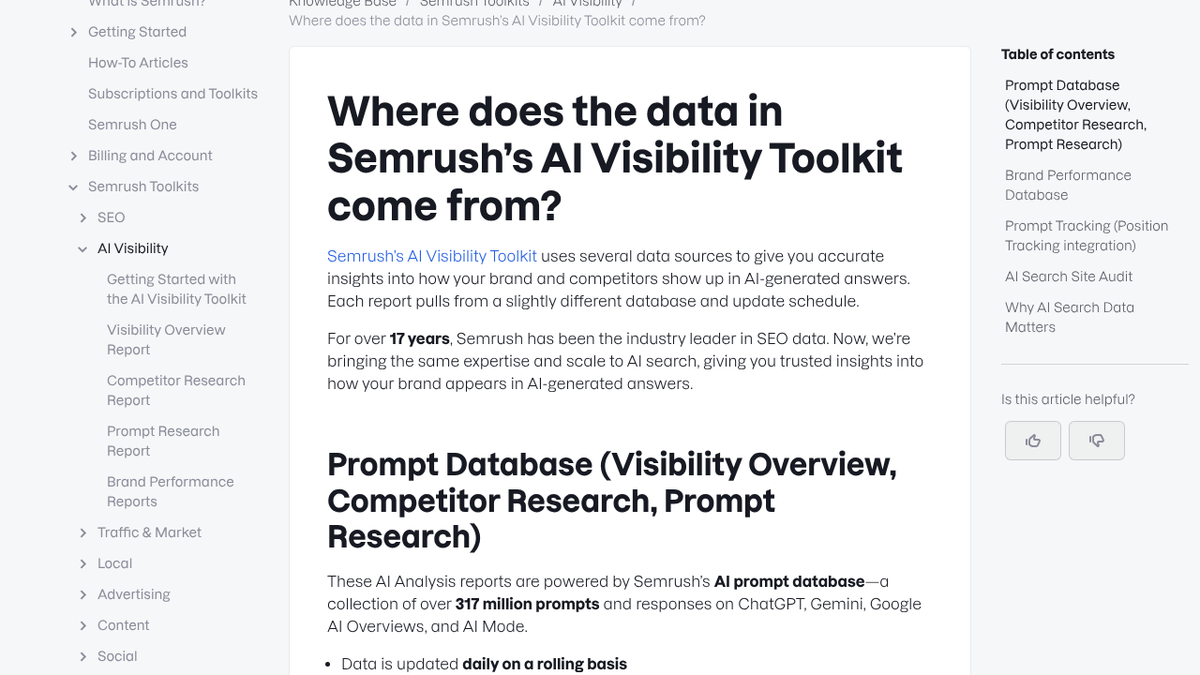
The toolkit costs $99 a month per domain, billed yearly. That covers 25 tracked prompts and 1,000 Prompt Research lookups a day, with 50 more tracked prompts for $60 a month. The pages I read didn't say whether the volumes come from real chats or are estimated, so I'd treat them as estimates.
2. Ahrefs Brand Radar
Ahrefs is the clearest about where its prompts come from. It "takes real queries from its keyword database, expands them into natural questions via People Also Ask and semantic fanout," then runs those prompts through the AI engines. On November 4, its page put the index at more than 531 million prompts.
The feature that matters most for this job is the fan-out view. When an AI engine answers a prompt, it often runs a few searches of its own first, and Brand Radar shows them. Those searches are the closest thing to the real question you'll get from a database.
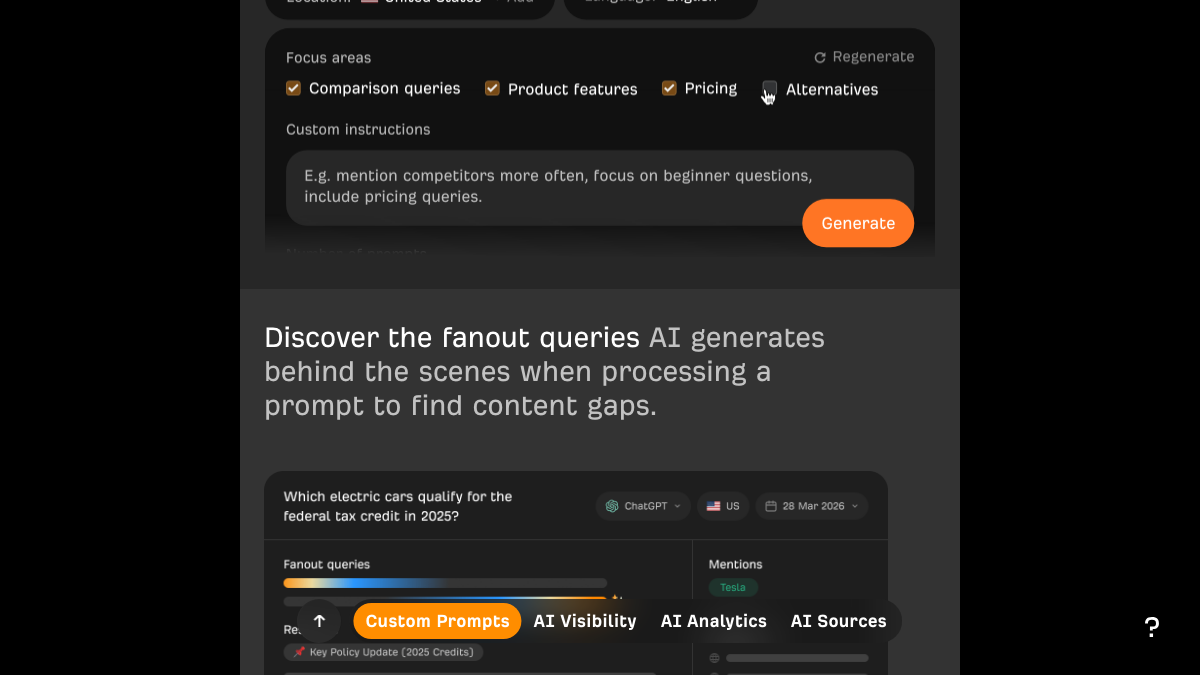
The AI Visibility Index costs $199 a month, and custom prompts start at $50 a month. Our guide to AI citation analysis shows how to read fan-out queries once you have them.
15 hours a week manually. Or 15 minutes with RankControl.
Track citations, monitor competitors, and fix content gaps across every AI search engine. Automatically.

3. RankControl
RankControl doesn't claim to see AI prompts and is built for a different part of the job. We find the questions your buyers search on Google, using People Also Ask, related searches and real search volume. Then we plan articles around them and write and publish them on your own site.
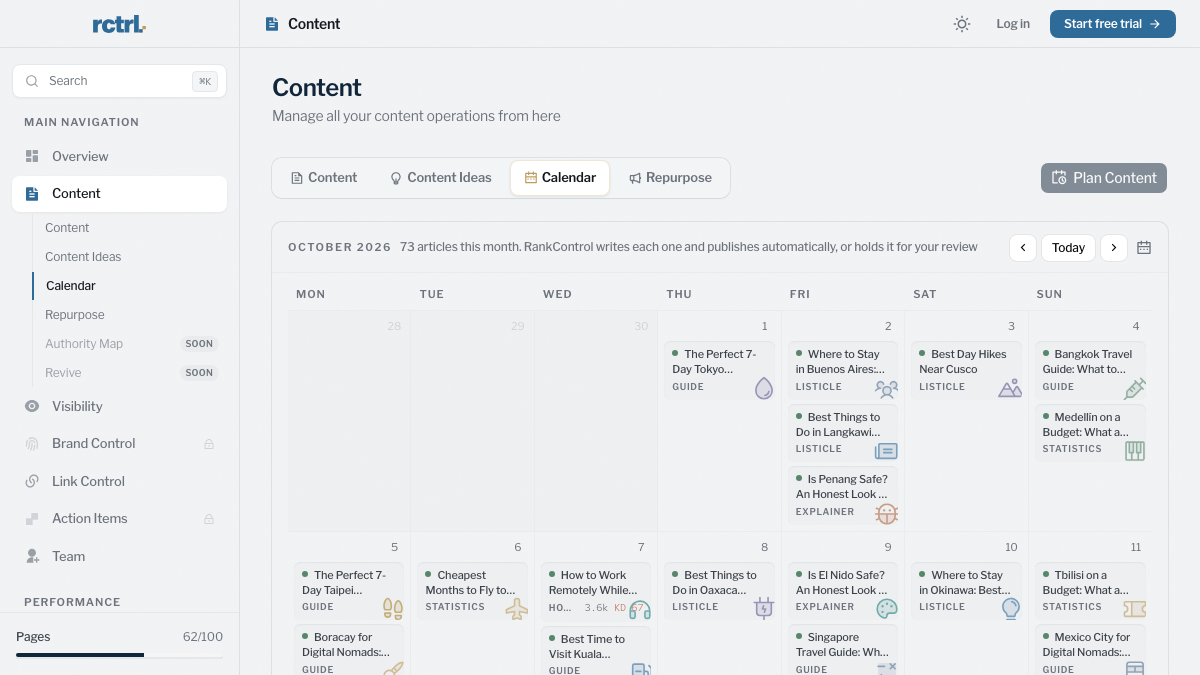
The tracking half closes the loop. AI visibility tracking checks up to 50 of your buyer questions every week across seven AI engines and records whether each answer named or cited you. We offer one plan at $400 a month with a 7-day trial, including up to 100 pages a month. If you only want a quick look, the free AI visibility checker shows which sources ChatGPT cites for three buyer questions, with no signup.
4. Profound Prompt Volumes
Profound is the one tool here that says it uses real conversations. Its page says it "licenses conversations from multiple, double opt-in consumer panels of real answer engine users," and its docs describe modeling that data to correct for demographic and regional bias.
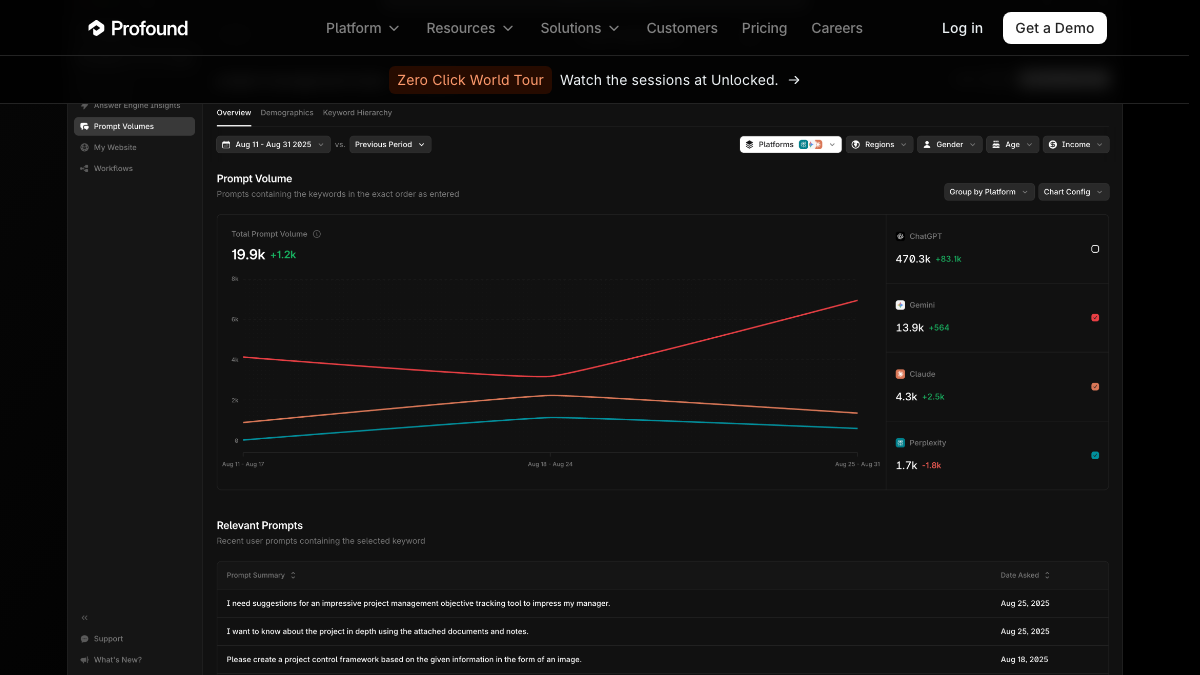
A panel is still a sample, though. It only sees the people who opted in, so the numbers are modeled up to the whole market. On November 4, Profound's pricing page listed a free trial with 5 Prompt Volumes searches and an Enterprise plan with a custom price, and nothing in between.
5. AlsoAsked
| AlsoAsked | |
|---|---|
| What it shows | Live People Also Ask questions as a tree |
| Free | 3 searches a day, no account |
| Paid | Basic $12/mo, Lite $23/mo, Pro $47/mo |
AlsoAsked takes one search and shows how Google's People Also Ask questions branch from it. That shape is useful, because it shows the second and third questions a buyer asks after the first one.
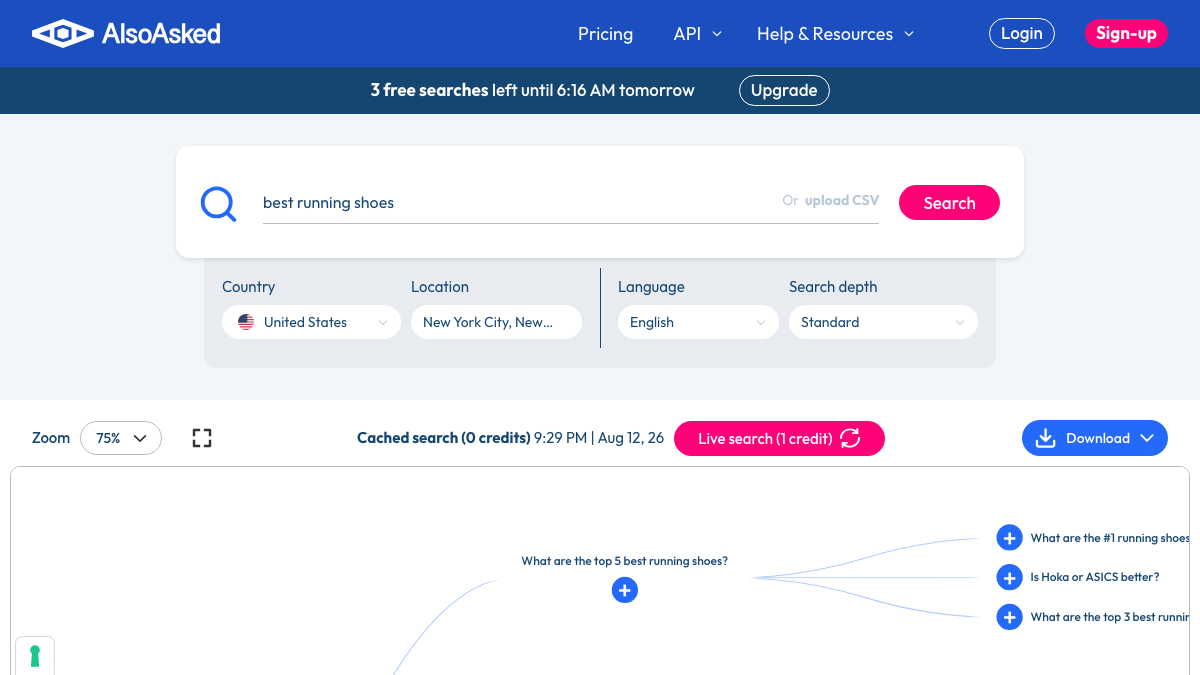
It's search data, not AI data. But AI answers often run searches that look a lot like these questions, so the tree is a cheap stand-in.
I'd run three searches for a new category. Start with the category itself, then a well-known rival's name, then the problem your product solves. The three trees together usually cover the questions a buyer asks before they ever name a tool.
6. AnswerThePublic
AnswerThePublic says it "surfaces the questions, prepositions, comparisons and related searches real people are typing into search engines." Where AlsoAsked goes deep on one question, AnswerThePublic goes wide around one seed term. Paid plans run from $20 to $199 a month.
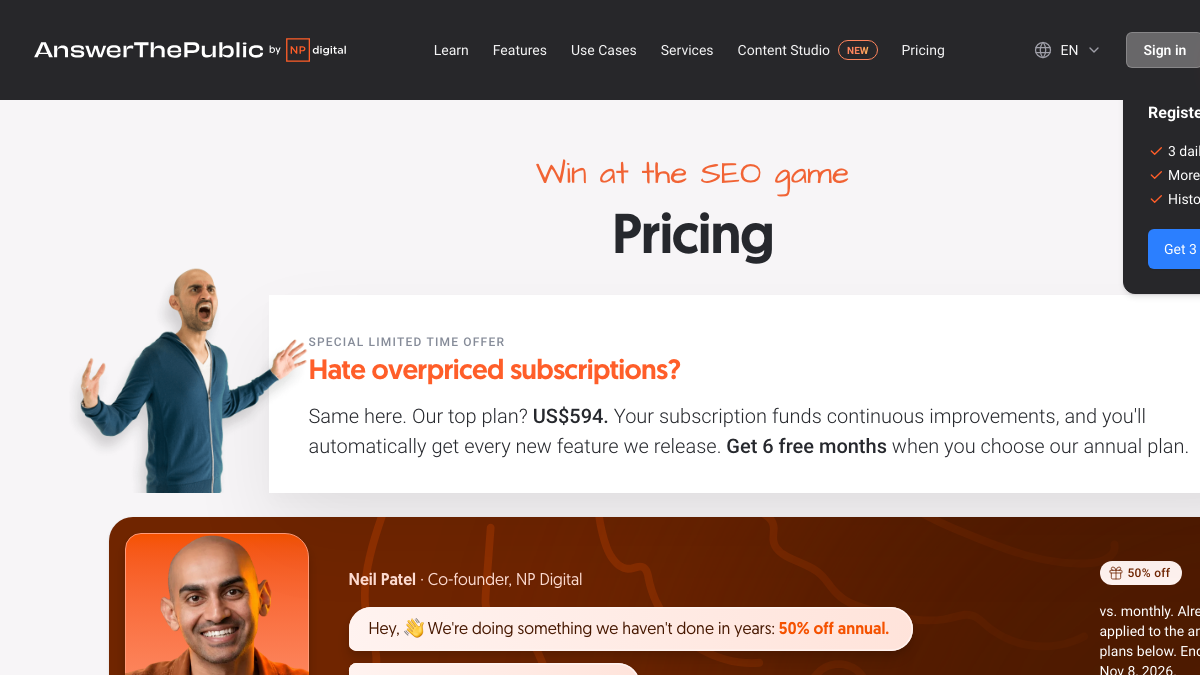
Whether it's worth paying for is a fair question. In a thread on r/WebsiteSEO, two marketers said the free version covered what they needed.
7. Bing Webmaster Tools AI Performance
This is the best free source on the list, because it's real data from an AI engine about your own site. The AI Performance report shows which of your pages Copilot and Bing's AI answers cite, and the grounding queries behind them. Since June 16, 2026, it also shows Citation Share, your slice of the citations for each grounding query.
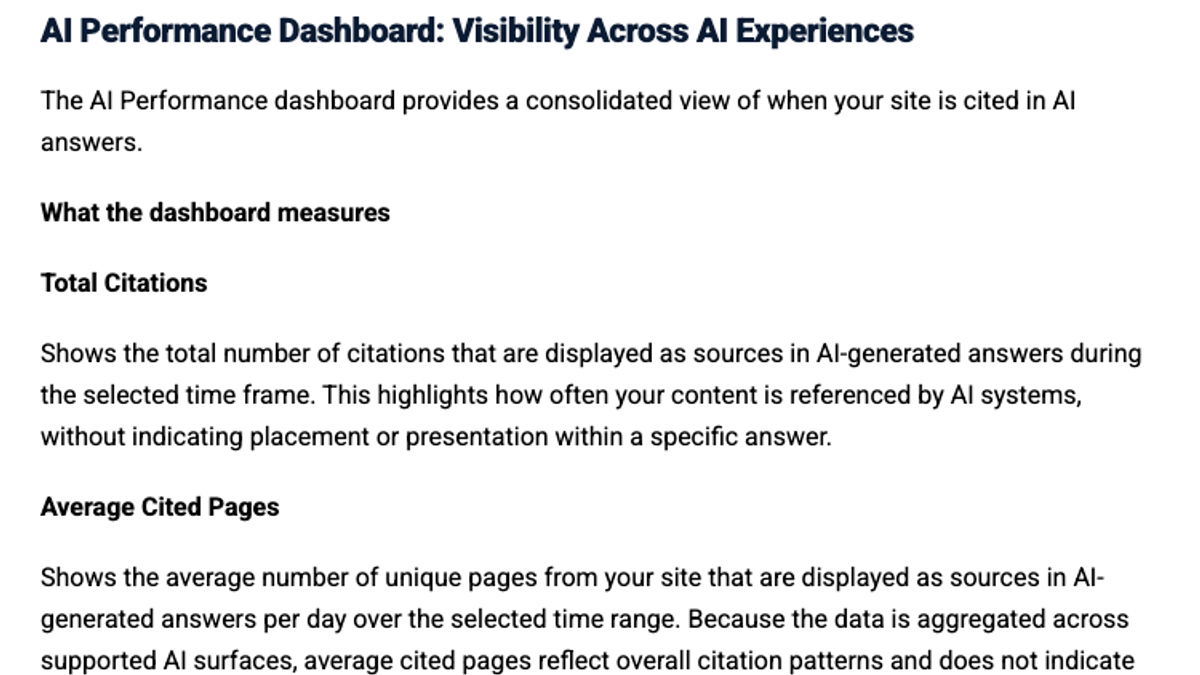
Read the grounding queries carefully. Bing's help page says they're grouped phrases and "not full user questions or prompts." They show what the engine searched for, which is a short step away from what the buyer asked.
8. Google Search Console
Search Console won't show you AI prompts either. Its generative AI report counts impressions in AI Overviews and AI Mode by page, country and date, with no queries and no clicks.
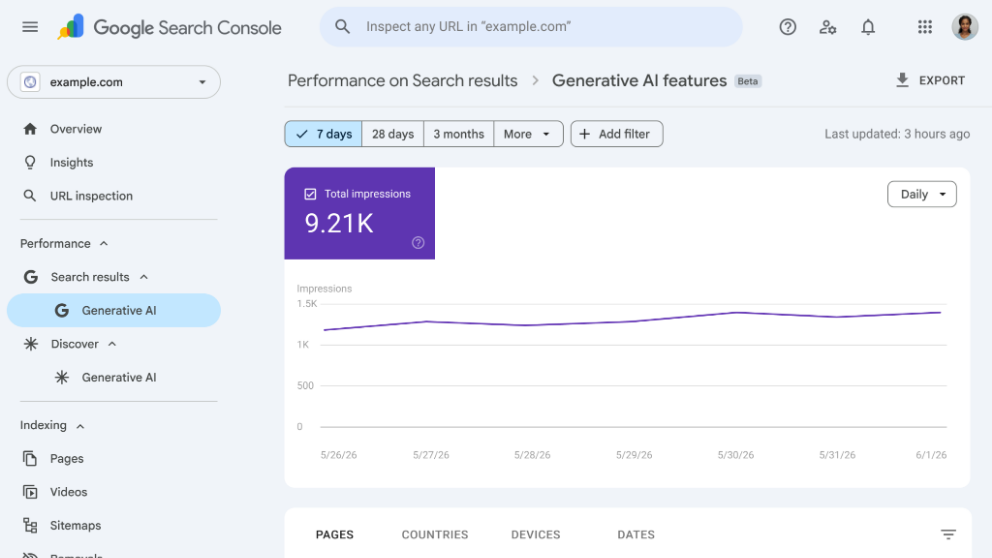
The regular Performance report is still a good question finder. Add a custom regex filter on queries, such as ^(how|what|why|can|does|is)\b, and you'll get the question-shaped searches you already show up for. Those are often the same questions buyers later ask an AI engine in longer form.
9. SparkToro
SparkToro doesn't list questions. It tells you where an audience spends time online, and that now includes AI. Its page invites you to "discover the AI tools your audience uses," next to the search terms, websites and subreddits the same people use.
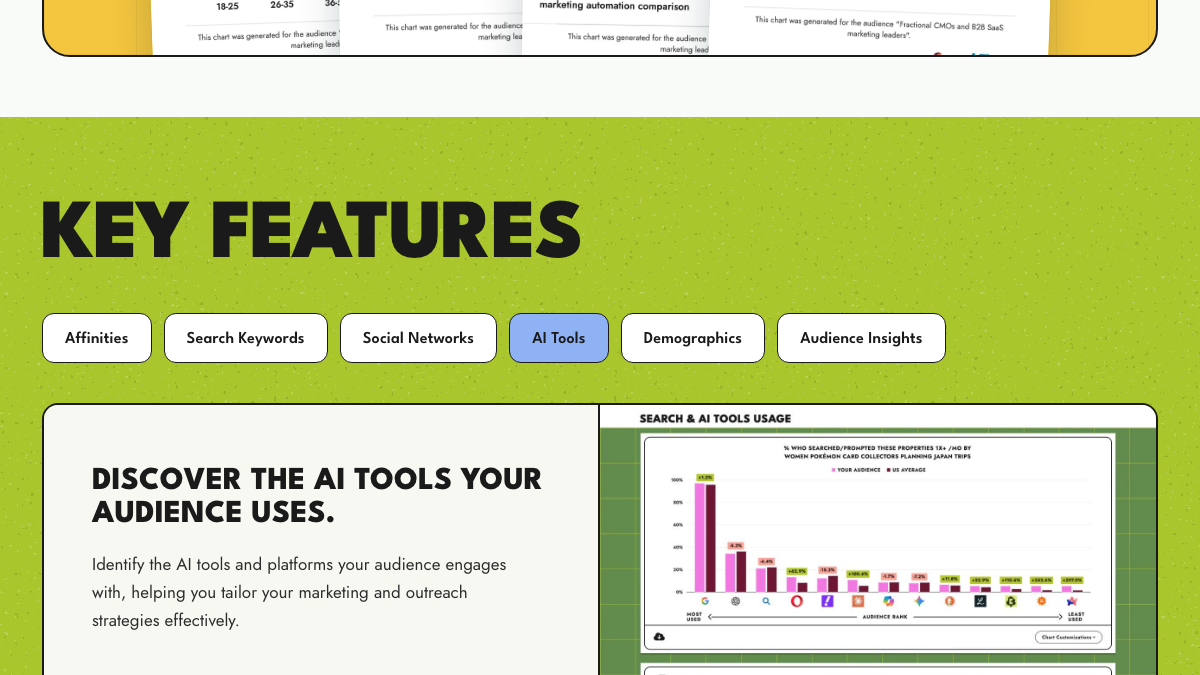
That tells you which engines matter for your buyers before you track any of them. There's a free audience preview, and paid plans run from $38 a month, billed yearly, to $300 a month for agencies.
10. Reddit
Reddit is free and it's the only place on this list where buyers write their questions in full, in their own words, to other people. Search a subreddit for your category with "recommend," "vs" or "alternative," then read whole threads rather than the titles alone.
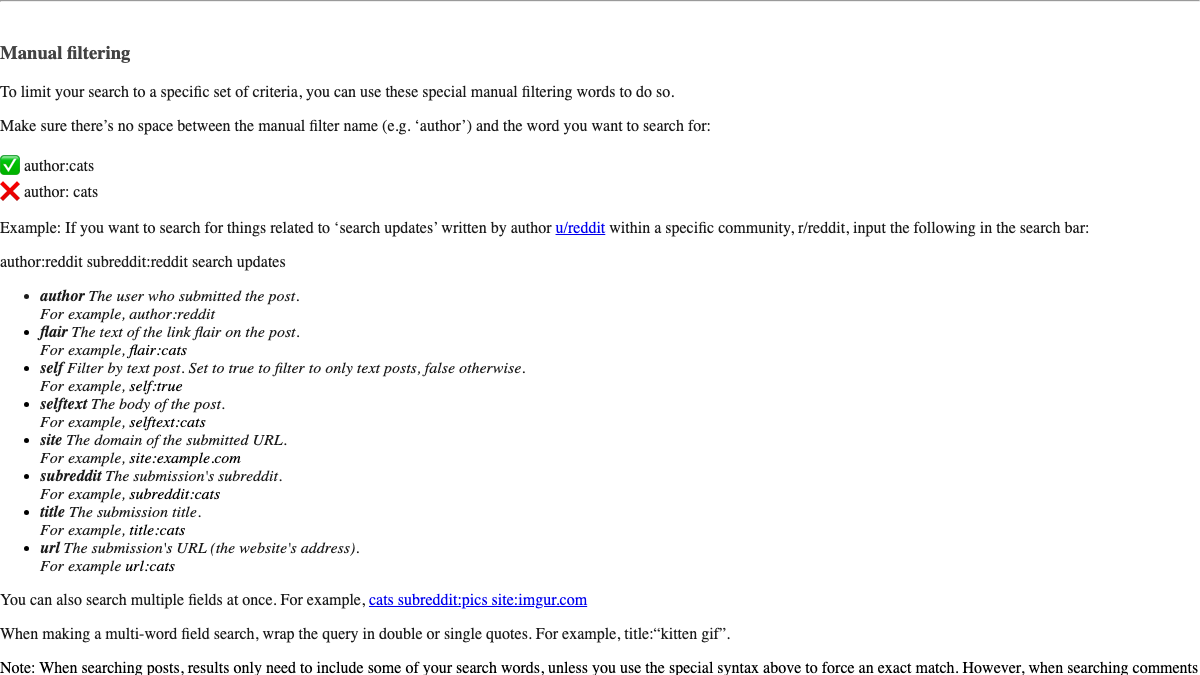
Reddit's search filters help a lot here. A filter like subreddit and title narrows a broad search to the threads where someone asks the exact question you care about.
AI search traffic grew 835% this year. Is your content ready?
RankControl generates 26 content formats optimized for ChatGPT, Claude, and Perplexity. Published on your domain, matched to your brand.

A free stack that covers most of it
If you can't pay for any of these yet, four free sources go a long way. Bing Webmaster Tools gives you real AI data for your site. Search Console's regex filter gives you question searches you already show up for. AlsoAsked's three free searches a day map the follow-up questions. Reddit gives you the wording.
Two free sources sit outside any tool. In an r/content_marketing thread on finding what an audience cares about, the top reply was that customer service teams hear the same questions every day. Another marketer said one question in a welcome email, asking what the reader is trying to figure out right now, gets replies in the buyer's own words.
How do you find what your audience cares about before making content?
Do you ask your customers? And what if you don't have any customers or they're unresponsive?
Our guide on how to find the questions buyers ask AI search engines turns these sources into a question set step by step. For the wider keyword side, see our list of keyword research tools.
What this takes by hand
Building a question set from free sources takes most of a day for one category, and keeping it current means checking again after every model update. Then each question needs an article that answers it, and someone has to check every week whether AI engines cite that article.
You can run all of that by hand with the free stack above. Or RankControl's agents can find the questions your buyers search, write and publish the answers on your site and check every week whether AI engines cite them, while you work on your product.

Built by the team that got cited in 48 hours.
Content generation, backlink building, AI visibility tracking, and Google rankings. One platform, zero guesswork.