
A freelancer posted in r/SEO this month with a familiar problem. They'd always used their agency's Ahrefs login, but for their first solo gig they needed their own tool. All they really wanted was to enter a competitor's URL, see what it ranks for, and do some keyword research, without paying Ahrefs prices to start.
The replies named half a dozen tools, and the most useful one said to ask the client for Search Console access before buying anything. That's a fair summary of this category. There's a right tool for each budget, and the expensive ones aren't always the right ones.
This guide compares 10 SEO competitor analysis tools, namely Semrush, Ahrefs, RankControl, Similarweb, SE Ranking, SpyFu, Moz Pro, Serpstat, Mangools and Google Search Console. We checked each one against its vendor's pricing page and docs on October 19, 2026. We didn't run trials of them.
The short version
For most teams that want one subscription for keyword gaps, backlinks and rank tracking, the best pick is Semrush, because its Starter plan also adds AI visibility tracking. For link-led research, the best pick is Ahrefs, because its backlink data and Link Intersect tool are the deepest here. For teams that want to see which competitors AI engines cite and get the pages written to close those gaps, the best pick is RankControl. On a tight budget, Mangools and Serpstat cover the basics for under $60 a month.
| Tool | Starting price (monthly billing) | Keyword gap | Backlink gap | Traffic estimates | Tracks competitors in AI answers |
|---|---|---|---|---|---|
| Semrush | $139 | Yes | Yes | Separate toolkit | From the $199 Starter plan |
| Ahrefs | $129 | Yes (Content Gap) | Yes (Link Intersect) | Yes | Brand Radar add-on from $199 |
| RankControl | $400 | Tracks competitor content | No | No | Yes, seven engines weekly |
| Similarweb | Through sales | Limited | No | Yes, its core strength | AI brand visibility, through sales |
| SE Ranking | $129 | Yes | Yes | Yes | Yes, 100 prompts on Core |
| SpyFu | $39 | Yes | Limited | Yes | AI brand monitoring on Pro and Team |
| Moz Pro | $49 | Yes | Yes (Link Intersect) | Limited | AI search features and Moz AI Explorer |
| Serpstat | $50 billed yearly | Yes (domain vs domain) | Backlink analysis | Yes | Separate LLM Brand Monitor |
| Mangools | $30.50 | Competitor keywords (SiteProfiler) | Backlink lookups (LinkMiner) | Limited | AI Search Watcher |
| Google Search Console | Free | Your site only | No | Your site only | Impressions only |
See your first AI citation report in under 5 minutes.
No setup calls. No onboarding meetings. Connect your domain and see where AI mentions your brand right now.

1. Semrush
Semrush is the safest default. Its pricing page now leads with four tiers. SEO costs $139 a month and covers basic keyword research and competitor analysis. Starter, at $199, adds the full competitor insights tools plus AI visibility tracking for 50 prompts on Google, ChatGPT, Perplexity and Gemini. Pro+ costs $299.
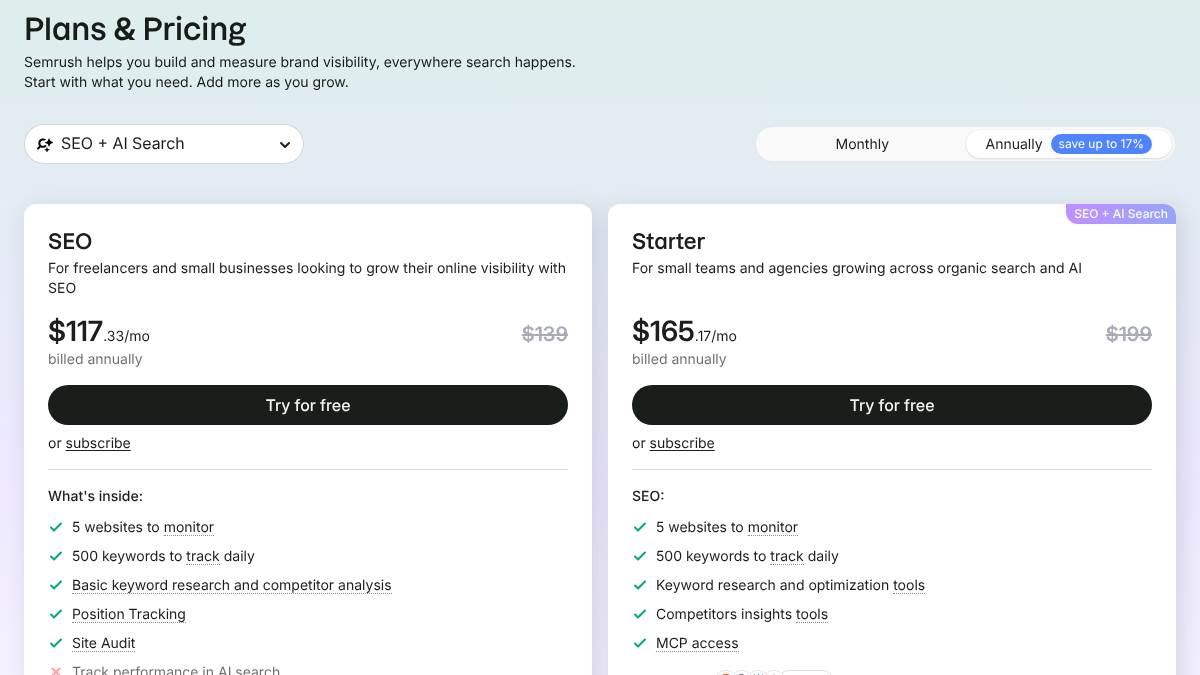
The SEO plan's AI features are crossed out on the pricing page, so if competitor AI tracking matters, Starter is the real entry point. Traffic analysis is sold separately. Its Traffic & Market Toolkit Pro is $289 a month billed yearly.
2. Ahrefs
Ahrefs is the pick when your competitor question is mostly about links. Its Content Gap tool shows keywords competitors rank for that you don't, and Link Intersect shows sites linking to several competitors but not to you, which is usually the best outreach list you'll find.
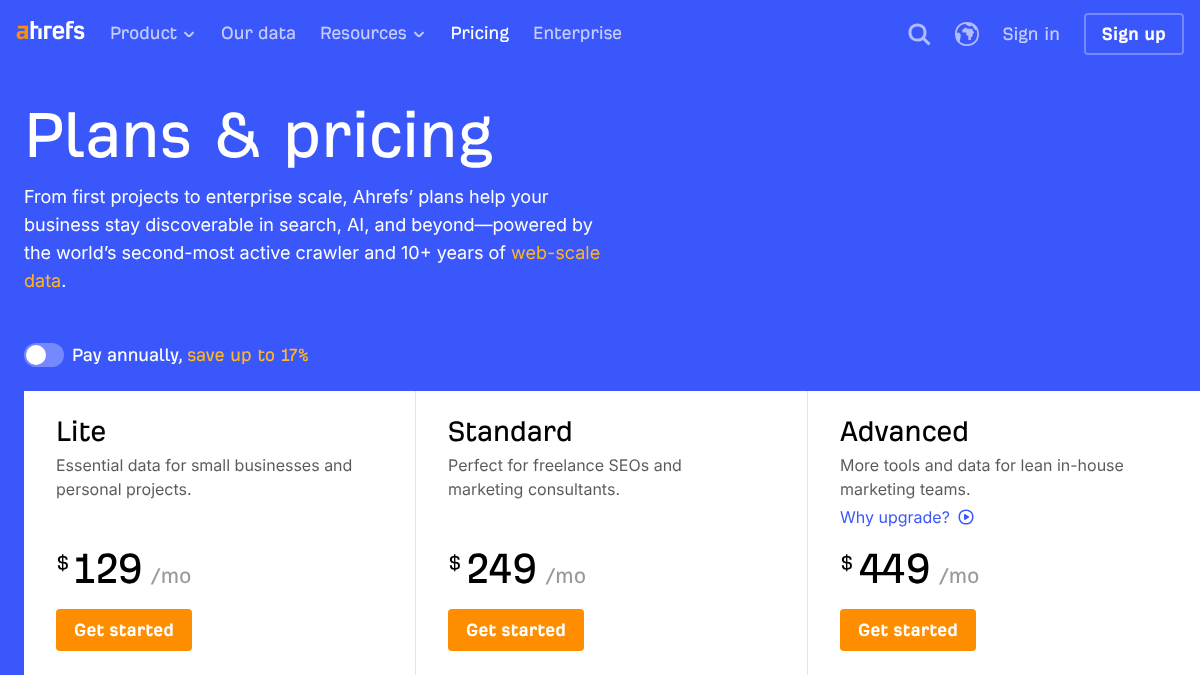
| Plan | Monthly price |
|---|---|
| Lite | $129 |
| Standard | $249 |
| Advanced | $449 |
| Enterprise | $1,499, annual commitment |
AI visibility is a separate purchase. Brand Radar, which shows how often brands appear in AI answers, starts at $199 a month on top of a plan.
3. RankControl
RankControl does a narrower job than the two above and is built for the part of competitor analysis they leave to you. We check which competitors ChatGPT, Perplexity, Claude, Gemini, Grok, Google AI Mode and Google AI Overviews name and cite for your buyers' questions every week, and show where they appear and you don't. Then our agents write and publish the pages that close those gaps.
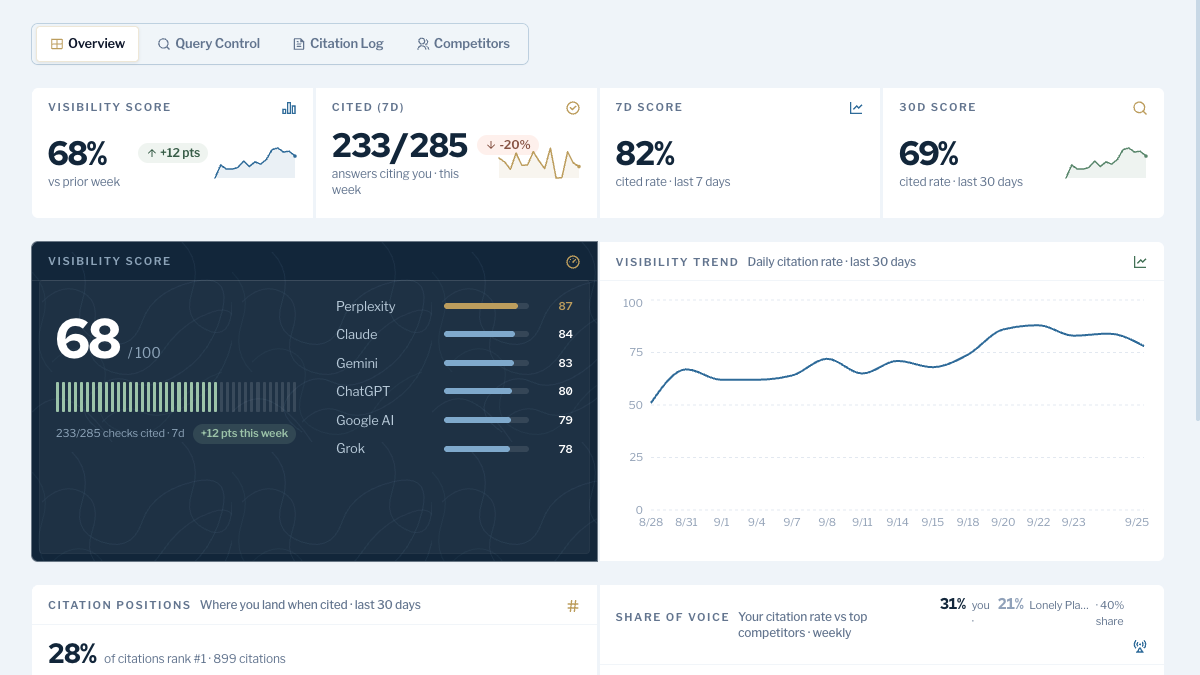
That gap between ranking and being cited is real. In our SEO competitor analysis walkthrough, one help desk vendor held three of the top seven Google spots for its own "alternatives" search, and the AI Overview cited five rivals instead. RankControl is one plan at $400 a month with a 7-day free trial, covering 50 tracked queries, 100 pages a month and publishing to your site. There's no keyword or backlink gap tool here, though competitors' content is tracked, so most teams add one of the tools above.
4. Similarweb
Similarweb answers a different question, which is where a competitor's traffic comes from. Its free Website Traffic Checker shows estimated visits, engagement and the top traffic sources for any domain. The full channel mix, referral sites and search breakdown need a paid plan.
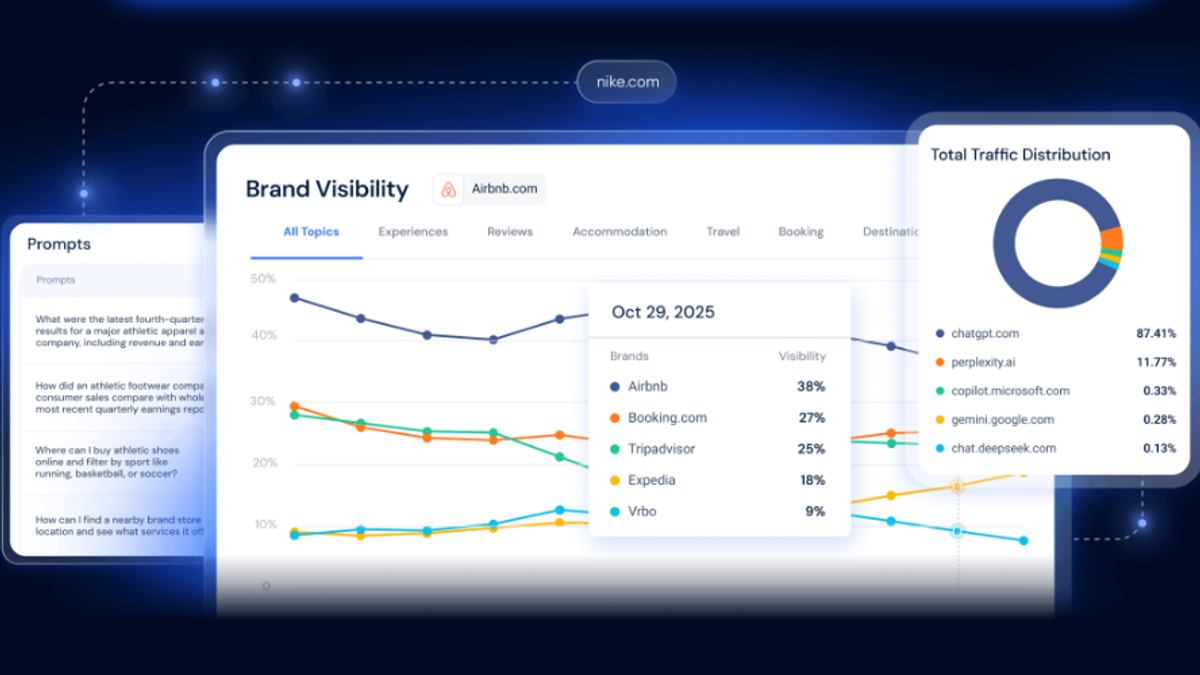
Similarweb no longer lists self-serve prices on its pricing page. Its plans go through sales, with a free trial to start. It has also added AI search tools that show brand visibility across AI platforms.
Your competitors are building backlinks while you read this.
Organic outreach, social mentions, and citations from Editorial Circle member sites, with managed backlinks available as an add-on. Grow your domain authority without running the campaign yourself.

5. SE Ranking
SE Ranking was the tool the r/SEO freelancer's thread recommended most for value, with one reply saying they'd switched from Semrush and found it decent for exactly this job. Its Core plan, at $129 a month, includes unlimited keyword, competitor and backlink research, plus 100 AI prompts tracked daily.
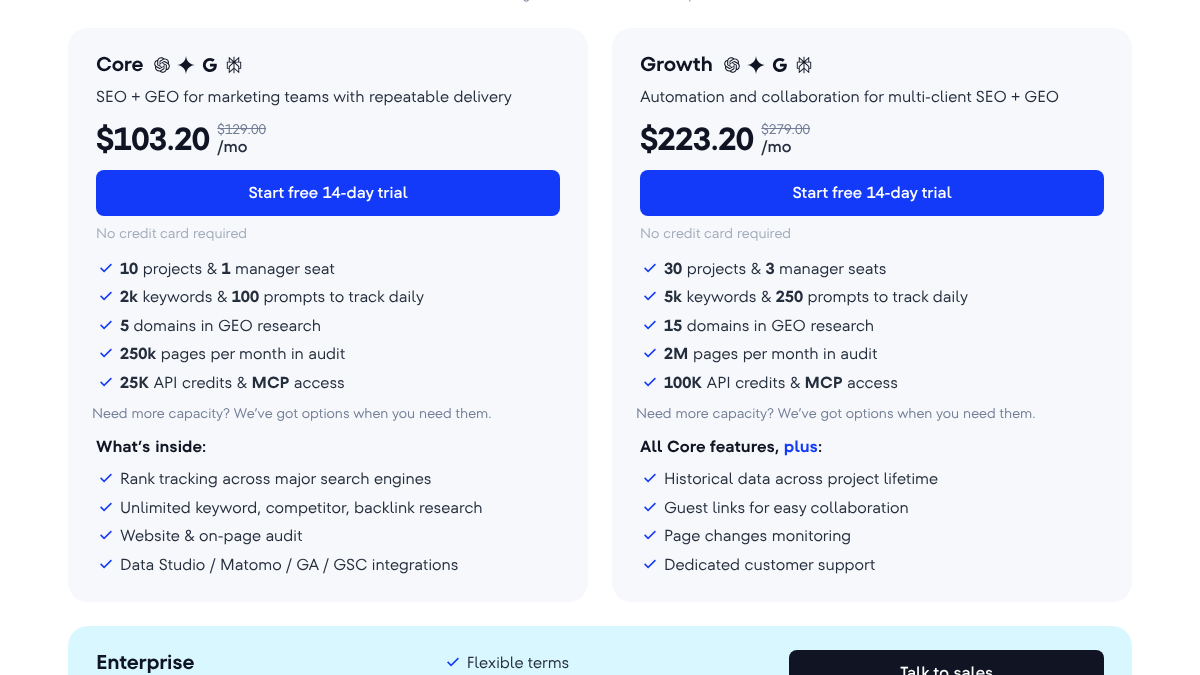
Growth costs $279 and raises the limits to 30 projects and 250 prompts. Both start with a 14-day trial that doesn't need a card. Our RankControl vs SE Ranking comparison covers the AI side in more detail.
6. SpyFu
SpyFu's strength is history. Its paid plans show more than 10 years of a competitor's keyword rankings and ad copy, which helps when you want to know what a rival tried before settling on its current pages.
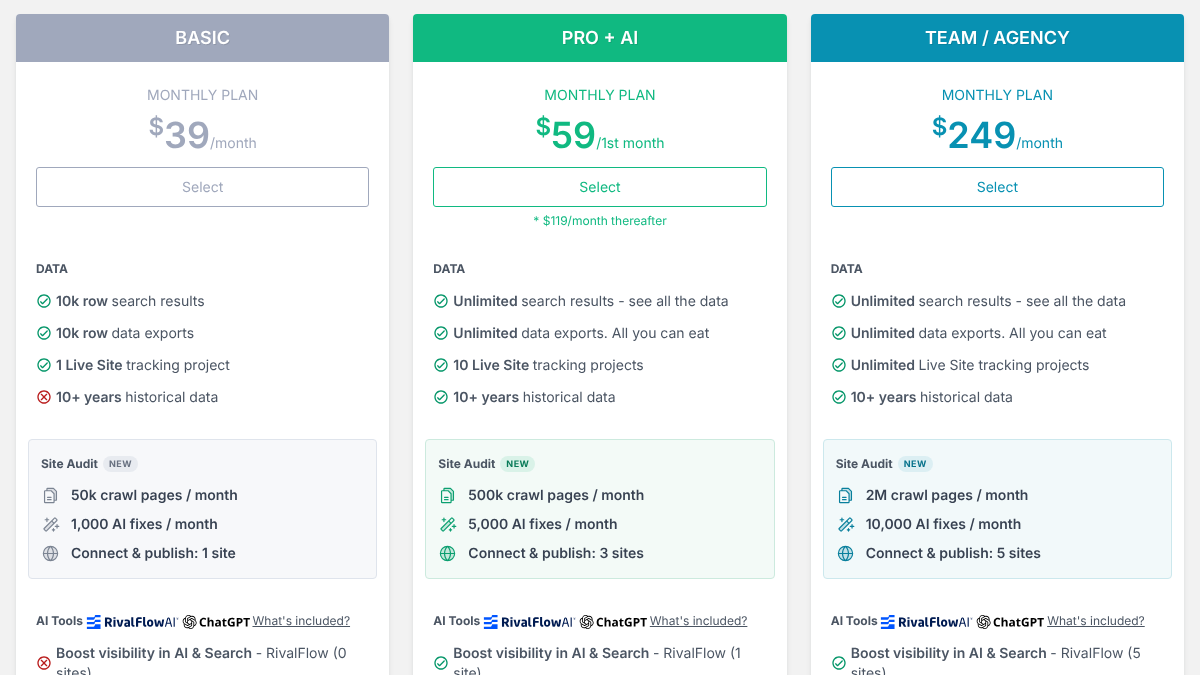
Basic costs $39 a month but limits search results and skips the full history. Pro + AI is $59 for the first month and $119 after, and Team is $249. Annual billing takes about 25% off.
7. Moz Pro
Moz Pro is the straightforward choice for small teams that want clear reports more than every possible data point. Its tiers are easy to read, each tier on the pricing page shows ChatGPT, Gemini, Google and Perplexity icons for its AI search features, and Moz also sells a separate AI Explorer.
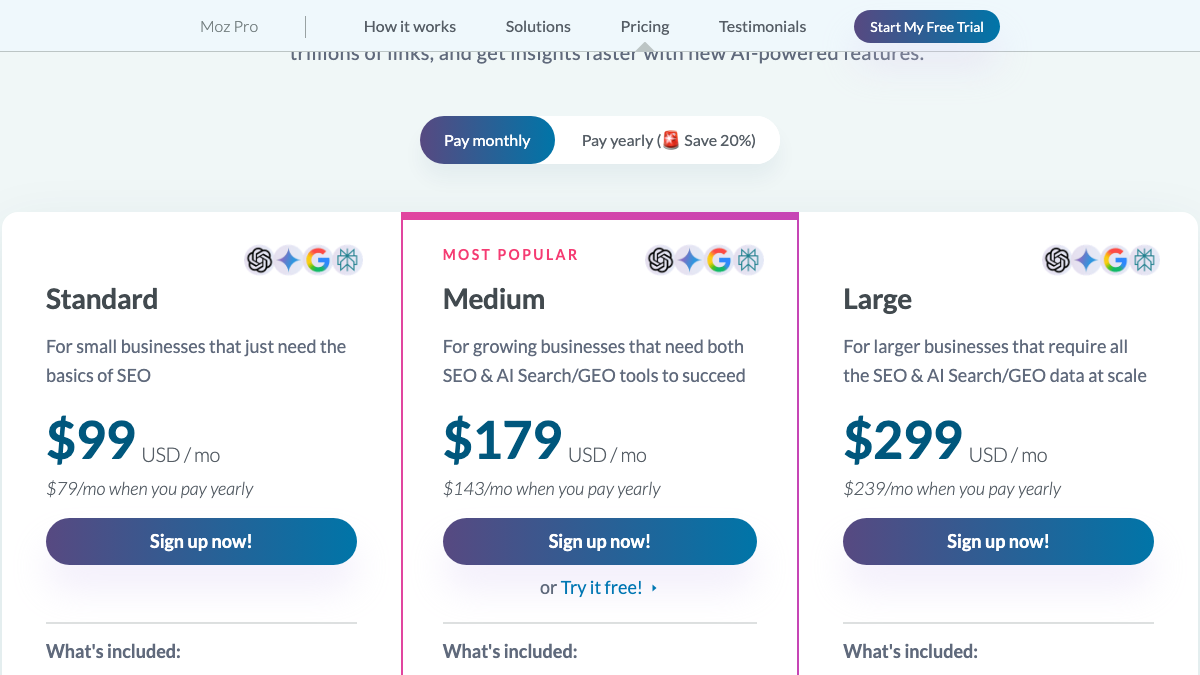
A Starter plan for one website costs $49 a month. Standard is $99, Medium $179 and Large $299, with about 20% off for yearly billing.
8. Serpstat
Serpstat came up twice in the r/SEO thread, once for its domain vs domain comparison feature. That's the core competitor job in one screen, and it's priced below most rivals.
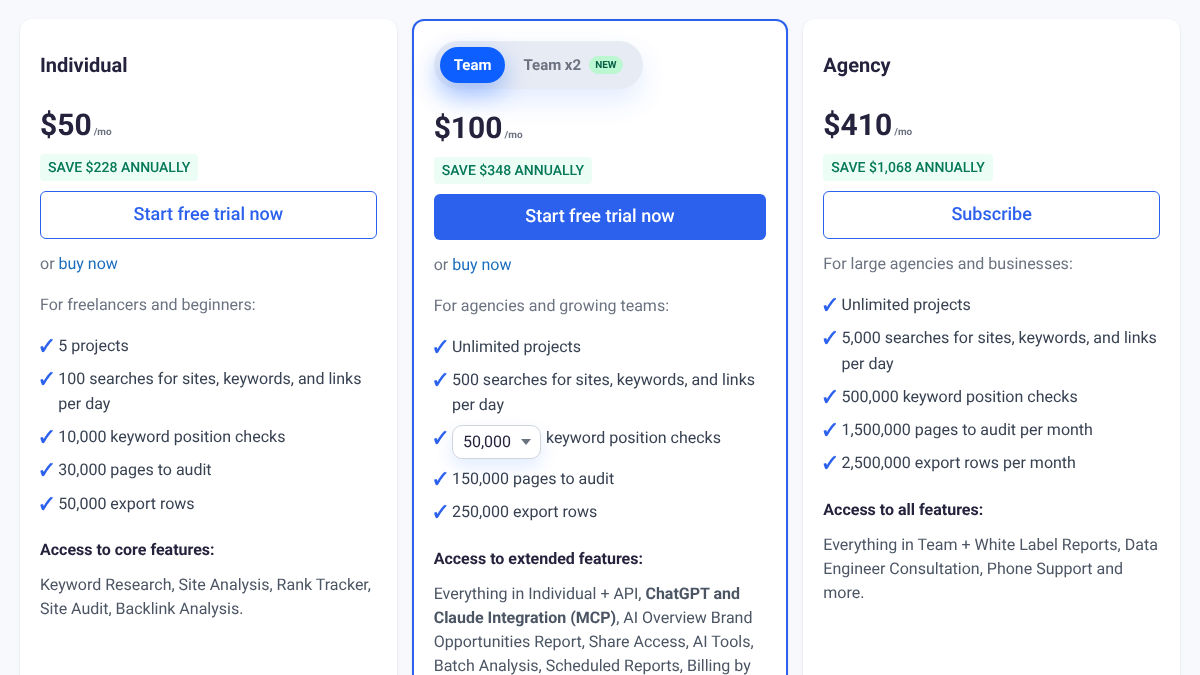
The Individual plan is $50 a month billed yearly, Team $100 and Agency $410. AI tracking is a separate product, the LLM Brand Monitor, rather than part of the main plans.
9. Mangools
Mangools is the cheapest paid option here, and it covers more than its reputation as a keyword tool suggests. SiteProfiler gives a competitor overview and LinkMiner checks backlinks.
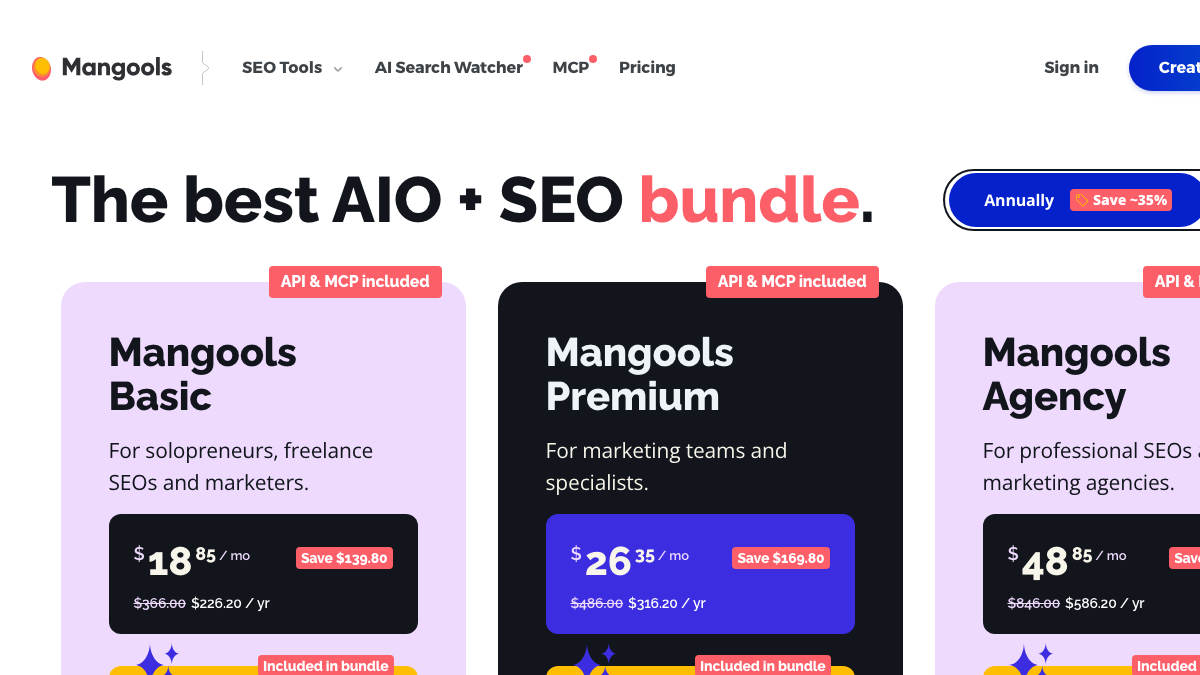
Basic costs $18.85 a month billed yearly, or $30.50 month to month. One reply in the r/SEO thread called its keyword tool the usual cheap starting point, with the sensible warning to treat its volumes as estimates.
10. Google Search Console
The free option belongs on the list because it's the one source with real data. Search Console shows the exact searches your own site appears for, your positions and your clicks. It can't show a competitor's data, but it tells you which searches you're already competing in.
Since August 31, 2026, its generative AI performance report also shows how often your pages appear in AI Overviews and AI Mode. Pair it with a monthly manual check of your ten most important buying searches, noting who ranks and who the AI Overview cites.
What a gap report actually shows
Whichever tool you pick, read its gap report before acting on it. When we ran a keyword gap between two help desk vendors for the walkthrough mentioned above, the competitor ranked in the top 10 for 1,158 keywords the other didn't. The biggest by volume was a blog post about Ea-nasir, the Babylonian merchant behind the oldest known customer complaint, with 27,100 searches a month.
Only 46 of the first 1,000 gap keywords were buying searches. The useful ones, like "live chat for ecommerce" at about $189 a click, sat far down a list sorted by volume. Every tool here can produce a list like that. The ones worth paying for let you filter it by intent and sort it by cost per click, which Semrush, Ahrefs, SE Ranking and SpyFu all do.
For a topic-level version run on four standing desk brands, see our content gap analysis walkthrough.
Free versions worth trying first
Several of these tools have free entry points, and they cover more than most people expect. Semrush has a free domain overview page that shows a competitor's estimated monthly visits, Authority Score and main traffic channels without a login. Similarweb's free Website Traffic Checker shows estimated visits, engagement and the top three traffic sources.
Combined with Search Console for your own site, that's enough to size up three or four competitors before you spend anything. Pay when you need the full keyword list, the backlink gap or weekly tracking.
How to choose
Start with the question you most need answered. If it's what competitors rank for, any of the top-ranked tools works, and SE Ranking or Serpstat do it for less. If it's which sites link to them, pick Ahrefs. If it's where their traffic comes from, pick Similarweb. If it's which competitors AI engines recommend instead of you, you need a tool that checks AI answers every week.
Most teams end up with two tools. One handles keywords and links, and one watches AI answers, since rankings and AI citations often don't match. Our post on tools that track competitors in ChatGPT covers the AI-only options in more depth.
What this costs in hours
A full competitor analysis takes about a day with any of these tools, and monthly monitoring adds two or three hours. The tool cost is the smaller part. Turning the findings into new pages is where most of the time goes, at three to five hours per page.
You can do the analysis and the writing yourself. Or RankControl's agents can track which competitors AI engines cite each week and write the pages that close the gaps, while you focus on your product.
You're getting AI traffic. But do you know where it comes from?
RankControl credits every visit to the assistant that sent it: ChatGPT, Perplexity, Claude, Gemini, Copilot, or Grok. Full source attribution, next to your Google traffic.