Our Place's Always Pan product page has links from about 670 sites. The top product pages at three small shops we checked, a leather wallet maker, a wallet studio and a tea shop, had between one and four each. Both groups sell good products on Shopify, and the gap has little to do with outreach skill.
On October 19, 2026, we pulled the most-linked pages for 15 online stores, from those small shops up to brands like Bombas, Mejuri and Brooklinen. Then we read who links to the product and category pages that actually earned links. This guide covers what we found and how to copy it at your size.
Where store links actually land
Homepages took most of the links at every store. That's normal, since press stories, directories and profiles link to the brand rather than to a product.
| Store | Product and category share of links |
|---|---|
| Our Place | 41% |
| Brooklinen | 36% |
| Mejuri | 30% |
| Bombas | 21% |
| Death Wish Coffee | 13% |
| Beardbrand | 11% |
| Lost Dutchman Leather | 2% |
| Woolly Made | 1% |
| The Fragrant Leaf | 1% |
The share covers each store's 200 most-linked pages, with duplicate URLs merged. The pattern is clear even with that caveat. Stores with one famous product earn product-page links, and small shops earn almost none until something they sell gets written about.
Blog posts rarely carried store links either. Beardbrand was the exception, with about a fifth of its links going to grooming guides, and Death Wish Coffee had about a tenth. For most of the 15, the blog drew close to nothing.
Check the count before you trust it
Four of the ten most-linked product and category pages we checked were mostly noise. Bellroy's coin wallet page and Little Flower Soap's CBD cream collection showed about 170 and 57 linking sites, but they were nearly all hacked pages advertising link spam on Telegram. Ruggable's green rugs collection and Pela's card holder collection drew most of their counts from the brands' own country stores.
So before you study a competitor's "top linked products," open the list of linking sites. A backlink tool counts everything, and our white hat link building guide found the same link-farm junk across small business profiles.
See your first AI citation report in under 5 minutes.
No setup calls. No onboarding meetings. Connect your domain and see where AI mentions your brand right now.

How real product page links were earned
We took the five product and category pages with genuine links and sorted the 267 real sites linking to them by what kind of page they were.
| Linking page type | Sites | Share |
|---|---|---|
| Gift guides | 74 | 28% |
| Best-of lists and reviews | 58 | 22% |
| How-to guides | 13 | 5% |
| Deal roundups | 8 | 3% |
| Launch news, founder stories, home tours and other | 114 | 43% |
The pages were Our Place's Always Pan, Death Wish Coffee's main coffee, Brooklinen's silk pillowcase, Beardbrand's beard oil and Bombas's men's performance socks collection. Here's what each kind of link looked like, and how to earn it.
Gift guides
Gift guides were the single biggest source. The Always Pan appeared in BuzzFeed's "63 Impressive Gifts," Core77's kitchen gift guide and ET's graduation gifts list. Brooklinen's pillowcase made Dwell's Mother's Day picks and WeddingWire's gifts for partners.
Editors plan these months ahead, so pitch holiday guides in summer and Mother's Day guides by early spring. Give them a clear price, a good photo and one reason the product suits the guide.
There's one rule to know before you send anything. Google's spam policy lists "sending someone a product in exchange for them writing about it and including a link" as link spam.
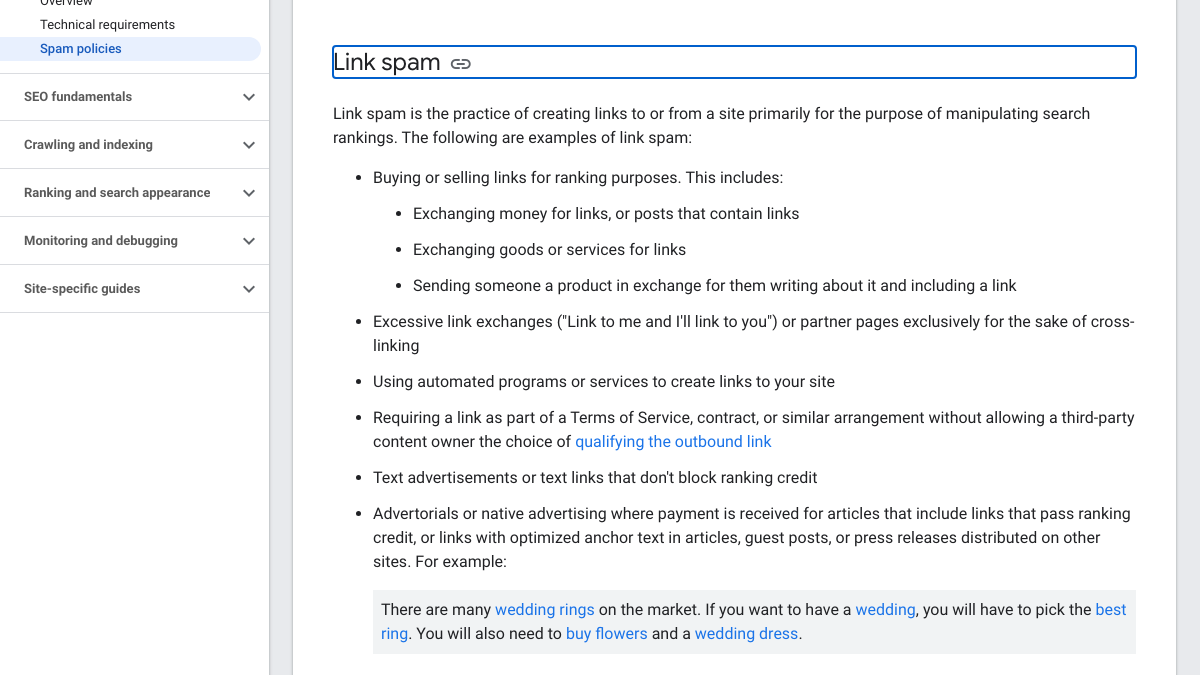
Sending samples with no strings is fine. If a link is part of the deal, it should be marked sponsored or nofollow.
Best-of lists and reviews
Reviews earn links whether they're kind or not. Wired's review of the Always Pan ran under the headline "Skip This Pretty Piece of Cookware" and still linked to the product page, though with a nofollow tag. Reader's Digest's "11 Best Silk Pillowcases" linked Brooklinen, and Mashed's best coffee beans list linked Death Wish.
So get the product in front of reviewers who cover your category, and accept that some will say no. A fair, critical review still sends readers who were already comparing options.
Your competitors are building backlinks while you read this.
Organic outreach, social mentions, and citations from Editorial Circle member sites, with managed backlinks available as an add-on. Grow your domain authority without running the campaign yourself.

Launches, collaborations and founder stories
A big share of the "other" group was news about something new. Refinery29 and Delish both covered new Always Pan colors, and al.com covered Our Place's collaboration with Selena Gomez. Elle told the founder's story.
Death Wish Coffee earned a CBS News story asking whether it should give Starbucks the jitters. Not all coverage is welcome, though, and Bustle linked the same page in a story about a product recall.
A new color, a collaboration or a limited run gives editors a reason to write. Plan one hook a quarter and send it to the writers who covered the last one.
How-to guides and home tours
Some links came from articles that needed a real product as an example. The Art of Manliness linked Beardbrand's beard oil in its guide to growing a beard, and CNET linked Death Wish in a comparison of caffeine in coffee drinks. Domino and Remodelista linked the Always Pan in apartment and kitchen tours.
Make it easy to be that example. Keep specs, materials and sizes clear on the product page, since writers grab whatever answers their question fastest.
Turn a competitor's product links into a pitch list
The most useful thing in this data is the list of who wrote about each product. If you sell silk pillowcases, Brooklinen's pillowcase page was linked by Reader's Digest, YourTango, Refinery29, Bravo TV and The Strategist's piece on how its staff sleep. Those writers already cover your product, and that's your pitch list.
The same works for any category. Pull the linking sites for the best-known product like yours, then remove spam, the brand's own sites and coupon pages. Read what's left and note who wrote it, what kind of piece it was and when.
Watch for long-term reviews too. Hunker ran "Is the Our Place Always Pan Worth It? Two Years Later, We Finally Know," and Esquire and Thrillist both published their own Always Pan reviews. Writers come back to products that sell, so a hero product keeps earning links years after launch.
Then check that each writer still covers the topic, and pitch with something new, like a color, a price change or a comparison they haven't written yet.
Category pages need a different pitch
Category pages earn links when a writer wants a range rather than one item. Ruggable's green rugs collection was linked from room-styling posts, like sage green nursery ideas. Bombas's performance socks collection showed up in running gear roundups and gift guides.
So pitch collections to writers doing styling, ideas and "what to wear" pieces. Our guide to ecommerce category page SEO covers making those pages worth linking to.
Start here if you're a small shop
Product links come later for a small store, so begin with the links you can get now and pass their value on. Supplier spotlights, local press and maker profiles usually link the homepage. Then make sure your homepage links straight to your best products and collections in the menu and featured sections. That's how a homepage link helps a product page rank.
When one product starts selling well, treat it as the hero. Send it to two or three reviewers, pitch it to seasonal gift guides and give each new version or color a launch. Our product page SEO guide covers getting that page ready first.
What this takes each month
Here's a rough monthly budget for a small store, by my estimate.
| Task | Hours a month |
|---|---|
| Find and pitch two or three seasonal gift guides | 3 to 4 |
| Send samples to reviewers and follow up | 2 to 3 |
| Plan and pitch one launch hook | 2 to 3 |
| Supplier, maker and local press outreach | 2 to 3 |
| Check new and lost links, and remove noise | 1 |
| Total | 10 to 14 |
Doing it yourself or handing it off
You can run every pitch by hand. Or RankControl can take on part of it. We write and publish articles to your Shopify store, and Link Control finds link prospects and their contacts for each one and drafts outreach from your own mailbox, so you review and send. If you'd rather hand links off entirely, the Managed Backlinks add-on places five links a month from DR 25+ sites for $350.
You're getting AI traffic. But do you know where it comes from?
RankControl credits every visit to the assistant that sent it: ChatGPT, Perplexity, Claude, Gemini, Copilot, or Grok. Full source attribution, next to your Google traffic.