
A marketer in r/GrowthHacking described the moment most teams have with AI search sooner or later. They asked ChatGPT about their category, and it named three competitors while barely describing their own company. Four experiments later, they still couldn't tell whether anything they changed had moved the answer.
The confusion is understandable, because brands show up in ChatGPT, Gemini and Perplexity through more than one route, and each engine leans on the routes differently. This guide explains the four ways a brand gets into an AI answer and how the three engines differ in using them, then covers what you can check and change. Sources were checked on September 26, 2026.
how are you all getting your brand to actually show up in chatgpt answers
asked chatgpt about our category last week and it named 3 competitors while barely describing us. that was fun been trying the obvious stuff, fresh blog posts, faq updates, comparison pages. ran 4 experiments this month and cant tell if any...
The four doors into an AI answer
We think about it as four doors. A brand can be named from the model's memory, named because a page the engine read mentions it, shown from a product feed, or placed there by an ad. Each door has a different source and a different fix.
| Door | What happens | Where it comes from | What you can change |
|---|---|---|---|
| Memory | The model names you before or without searching | What the web said about you before the model was trained | Consistent descriptions and third-party mentions, slowly |
| Live search | The engine names you because a retrieved page does | Your pages and pages about you that rank for the question | The pages that answer the question, and who mentions you |
| Product feeds | Your product appears as a card or listing | Merchant feeds and commerce integrations | Feed quality, mostly for retail |
| Paid placement | You appear as a labeled ad | Ad platforms | Budget and targeting |
For most B2B software companies, the first two doors carry nearly all the weight. The feed door matters to retailers, and the paid door is new and small, so we'll cover those two briefly.
Memory: the shortlist often forms before the search
The door people underestimate is memory. In July, one practitioner traced ChatGPT's network traffic across 27 conversations and found that in 21 of them, ChatGPT's first web search already contained brand names the user had never typed. The model had a shortlist before it read anything.
The same analysis found that brands ChatGPT put in its own search queries reached the final answer 68.9% of the time, against 2.1% for brands it only came across while reading results. It's a small sample, from one account in one country, so treat the exact figures with care. Rand Fishkin read it the same way we do.
I'm worried that citation analysis research is misleading us... badly. AI tools often already know which brands they're going to search for and recommend, so looking at the sources or URLs ain't gonna help you much. Full report: https://t.co/lpoS9q7Bfp https://t.co/wZrPtucp76
 Rand Fishkin@randfishAug 12, 2026

Gemini shows the memory effect even more strongly. In a June Semrush study of brand appearances, Gemini named brands in 83.7% of its appearances but linked a source only 21.4% of the time, which means it mostly talks about brands from what it already knows.
Memory also explains the most frustrating failure, which is being described wrongly. One founder in the same r/GrowthHacking thread said ChatGPT described their gamified employee growth product as a project management tool. The model's picture of a brand comes from how the web has described it, so inconsistent or outdated descriptions on your site and review profiles show up as a muddled answer.
Live search: what gets read and quoted
The second door is retrieval. When an engine searches, it reads a set of pages and builds the answer from them, and any brand those pages name can make it into the answer.
Each engine reads differently. A July 2026 study of 1,249 ChatGPT answers found the free tier often works from a snippet of about 200 characters cut from the top of each page, without opening the rest. Perplexity searches for nearly every question and leans on Reddit and YouTube, which were its two most-cited sites in Ahrefs' September data. Gemini grounds its answers in Google Search, so pages that rank on Google feed it directly.
Retrieval also has a shelf life. An analysis of 3.5 million citation events found that half of the citations ChatGPT gives out in a given week are gone within about 3.4 weeks, while Perplexity's last about 5.8 weeks. A brand that gets named because of one fresh page can drop out a month later if nothing else supports it, which is why the memory door matters so much.
The practical advice from that r/GrowthHacking thread was better than most guides. One reply suggested pausing new blog posts and finding the pages AI already cites when it answers questions about your category. It's often an old comparison page or a partner page carrying stale information, and correcting that one URL can shift the answer faster than four new posts.
Our explainer on how ChatGPT decides which websites to recommend goes deeper on the retrieval side, and how each engine chooses sources to cite compares all five major engines.
Know exactly what AI says about your competitors.
RankControl's Recon Agent monitors competitor citations across ChatGPT, Perplexity, Claude, Gemini, Grok, and Google AI Mode. See where they show up and you don't.

Product feeds: the retail door
The third door changed a lot this year. OpenAI launched Instant Checkout in ChatGPT in September 2025, then pulled back in March 2026, saying in a post about product discovery that the first version "did not offer the level of flexibility that we aspire to provide." Merchants now use their own checkout, and ChatGPT focuses on showing products from merchant feeds.
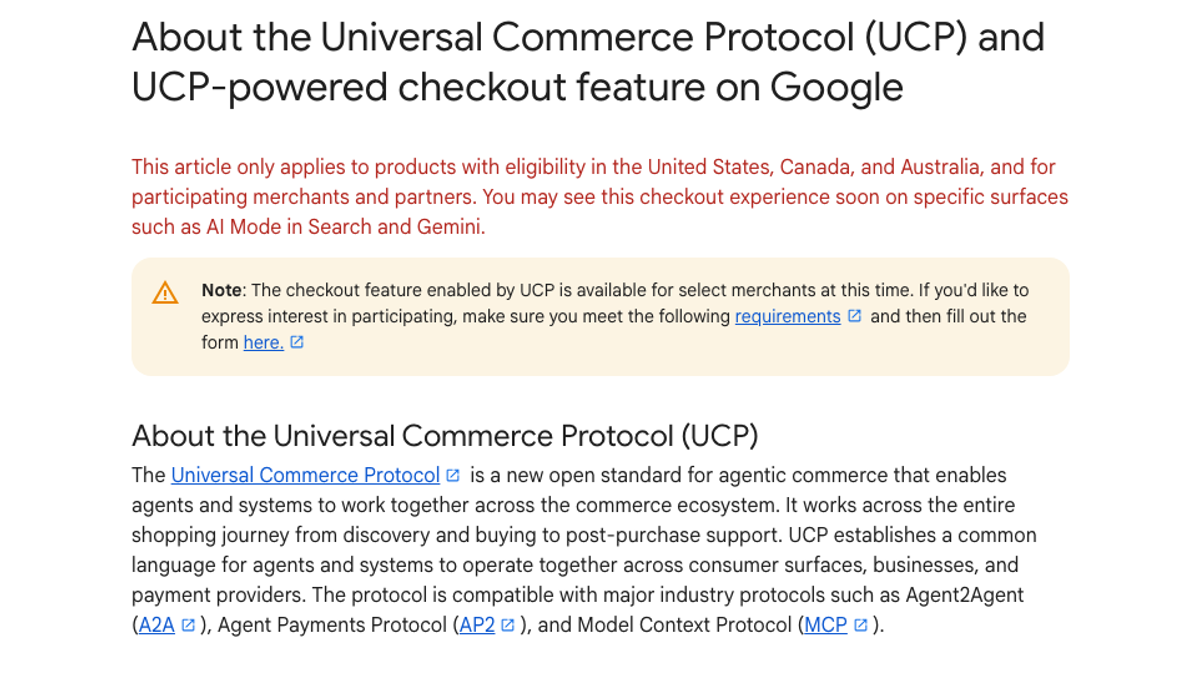
Google went the other way. In January it announced the Universal Commerce Protocol, an open standard that lets eligible merchants add a checkout button to product listings in AI Mode and the Gemini app, currently for select US merchants.
Perplexity runs a free merchant program that feeds product catalogs into its shopping results, with in-chat checkout through PayPal. For a retailer, feed quality is now a visibility lever in all three engines. For a B2B software company, this door mostly stays closed, since there's no product card for a subscription platform.
Paid placements: small, but growing
The fourth door is the newest. ChatGPT opened a self-serve Ads Manager with cost-per-click bidding in May 2026, and its ads appear beside answers, labeled as sponsored. Google shows ads around AI Overviews and is testing Highlighted Answers, sponsored picks placed inside AI Mode's recommendation lists, as our piece on ads in Google AI Overviews explains.
Perplexity is the exception. It phased out its ads in late 2025 and isn't selling new ones, so every brand in a Perplexity answer got there through the first three doors.
How the three engines compare
Put together, the three engines treat brands quite differently:
| ChatGPT | Gemini | Perplexity | |
|---|---|---|---|
| Main door for brands | Memory, then search | Memory, grounded in Google Search | Live search on nearly every answer |
| Names brands vs links sources | Links often, names less (87% vs 20.7%) | Names often, links less (83.7% vs 21.4%) | Cites many sources per answer |
| Most-cited site, September | Reddit (16.8%) | Reddit (28.5%) | Reddit (21.6%), YouTube close behind |
| Links to brand homepages | Inline brand links since May 7 | Through Google results | Through cited sources |
| Paid option | Ads beside answers | Ads in AI Overviews, tests in AI Mode | None |
The first two percentages come from Semrush's June study and the most-cited sites from Ahrefs' September lists, which measure different things. Our per-engine citation data explains why numbers from different trackers rarely line up.
The table's lesson is that "showing up in AI" is really a separate question on each engine, and a brand can be named on Gemini while it's missing from Perplexity for the same query.
26 content formats. Published on your domain. Matched to your brand.
Guides, comparisons, listicles, case studies, and more. RankControl generates content that gets cited by ChatGPT, Perplexity, Claude, Gemini, Grok, and Google AI Mode.

What a mention is worth
Mentions matter even when nobody clicks. Research from Similarweb with Rand Fishkin in June found that brands ChatGPT recommended were 2.5 times more likely to get a visit within seven days than competing brands it didn't recommend.
Most of those visits didn't come from the answer itself. About 56% arrived through search, which suggests people remembered the brand and looked it up later. That's why branded search results and a clear homepage matter more now, and why AI referral traffic undercounts what AI answers do for a brand.
A separate panel study of more than 2 million AI conversations, run by an AI visibility company between January and June 2026, found the same pattern from another angle. More than 97% of the brand-site visits that followed an AI mention carried no AI referral tag, so they landed in analytics as direct or search traffic. A free-text "how did you hear about us?" field on your demo form catches some of what the tags miss.
How to check and change how you show up
Start by asking the questions your buyers ask, on each engine, and logging what comes back. For each answer, note whether you're named, whether your pages are cited, how you're described and which competitors appear. Our comparison of mention tracking and citation tracking explains why those need separate columns.
Then work each door. For memory, make your description consistent everywhere: your homepage, your About page, review profiles and partner pages. For live search, find the pages each engine cites for your category and fix the stale ones, then earn mentions on the sites those engines trust. Checking 50 questions on six engines by hand takes about five hours a week, and publishing eight solid articles a month takes 16 to 24 hours more. Those are rough estimates.
RankControl handles the repeated parts. Brand Control holds your products, voice and competitors, so every article describes you the same way. AI visibility tracking runs your 50 questions every week on six engines, marks each one as mentioned, cited or both, and notifies you when a new citation lands. For a quick first read, the free AI visibility checker shows who ChatGPT cites for three questions from your market.
You can run these checks yourself with a spreadsheet and a weekly hour. Or RankControl's agents can run them every week while your team works on the mentions and pages that decide which door you come through.

Your competitors are getting cited by AI. You're not.
Every day without citation tracking is a day your competitors pull ahead in ChatGPT, Perplexity, and Claude.