If you went looking for Perplexity's ad platform this year, you didn't find one. Perplexity began phasing out its ads late last year, and in February 2026 its executives said the company wasn't pursuing new ad deals. The reason one of them gave was blunt: with ads, "a user would just start doubting everything."
For B2B marketers, that makes Perplexity unusual. ChatGPT now sells ads and Google shows them around its AI answers, but on Perplexity every mention of your brand has to be earned. This guide covers what Perplexity ads were, why they ended, how the other engines compare, and what B2B teams should do instead. Sources were checked on September 26, 2026.
What Perplexity ads were
Perplexity announced ads in November 2024. They ran in the US and came in two forms: sponsored follow-up questions shown under an answer, and paid media placed to the side of it. Perplexity wrote the answers to the sponsored questions itself, so advertisers paid for the question, not the response.
The format drew real brands. Business Insider reported in July 2025 that companies including Whole Foods and Indeed had bought sponsored follow-up questions. For a B2B marketer, the appeal was obvious: a buyer researching a category would see your question suggested next to an answer about it. That window closed within about a year.
Why Perplexity dropped them
The details came out at a roundtable in February 2026, reported by the Financial Times and Business Insider. The Verge's summary quotes one executive saying ads would make users doubt everything, and another saying ads were "misaligned with what the users want." The second executive added: "We are in the accuracy business."
Perplexity said it would focus on products people pay for, in particular business customers and what The Verge called high-powered users, such as finance professionals, lawyers, doctors and CEOs. That customer list matters for B2B brands, because those are the people doing vendor research inside it.
One caveat is worth keeping in mind. The same executive didn't rule out a return to advertising later, so treat "no ads" as the current policy, not a promise. Perplexity's wider stance does point one way, though. Its CEO said last November that its Comet browser blocks ads and trackers from third-party sites, and in March he announced that Perplexity Computer can connect to Google and Meta ad accounts and run campaigns there.
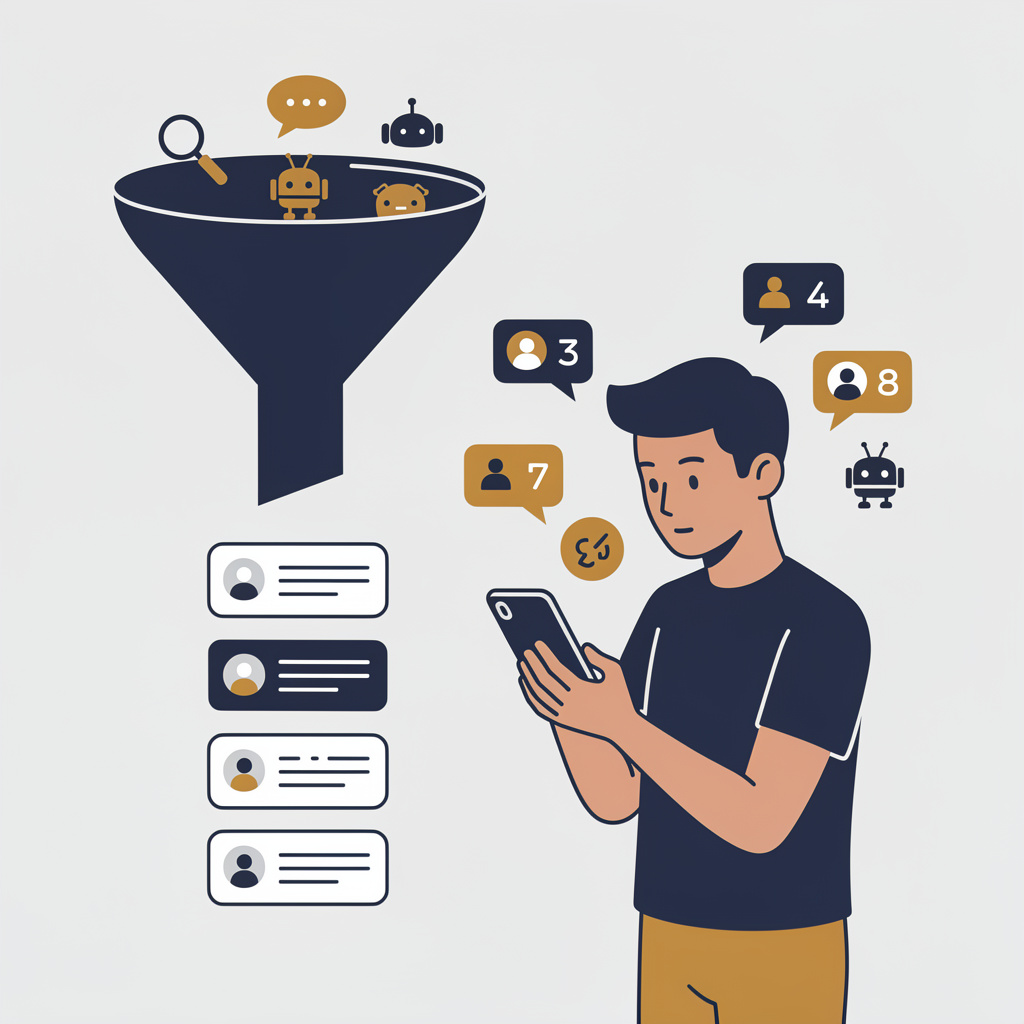
You're getting AI traffic. But do you know where it comes from?
RankControl credits every visit to the assistant that sent it: ChatGPT, Perplexity, Claude, Gemini, Copilot, or Grok. Full source attribution, next to your Google traffic.
Where the other engines stand
Perplexity's exit leaves the AI engines split into two camps.
| Engine | Ads as of September 2026 | What it means for B2B |
|---|---|---|
| Perplexity | None; phased out in late 2025 | Visibility is earned only |
| ChatGPT | Testing since early 2026; self-serve Ads Manager beta since May | Paid placement exists beside answers |
| Google AI Overviews and AI Mode | Ads shown in AI Overviews; ads in AI Mode in testing | Paid and organic sit on the same page |
| Claude | None; Anthropic has committed to keeping Claude ad-free | Visibility is earned only |
OpenAI moved fastest. It started testing ads with free ChatGPT users in February, and on May 5 it opened a self-serve Ads Manager in beta with cost-per-click bidding. Advertisers can now buy placements next to ChatGPT's answers much as they buy search ads on Google.
Those ads sit beside the answer, though. What ChatGPT says in the answer, and which sources it cites, still comes from its search, which is the same work you'd do for Perplexity. Google is going further, with sponsored picks now tested inside AI Mode's answers, as our guide to ads in Google AI Overviews explains.
What "no ads" means for B2B visibility on Perplexity
With no paid route, Perplexity visibility comes down to three things you control and one you influence.
- PerplexityBot has to be able to crawl you. Perplexity keeps its own index, and a CDN rule or bot-fighting setting that blocks its crawler takes you out of that index. Our piece on whether blocking AI crawlers stops Perplexity citing you covers the details.
- Your pages need to be current. Perplexity's index leans toward fresh content, so a comparison page last updated in 2024 loses to one updated this quarter.
- The answer has to sit at the top of the page. Perplexity quotes passages, and a page that buries its answer under an introduction gives it little to quote.
- Other sites need to mention you. You can't control this one directly, but reviews, press and community threads are the sources Perplexity cites when it builds a shortlist.
For B2B teams, the good news is that this is the same work that improves ChatGPT, Claude and Google's AI answers. Our complete guide to answer engine optimization goes through it engine by engine.
How Perplexity's citations differ from ChatGPT's
Winning on ChatGPT doesn't carry over to Perplexity automatically. One 2026 study of 100,000 prompts found that only about 11% of the domains cited by ChatGPT and Perplexity overlapped, so the two engines mostly build their answers from different sites.
Reddit shows the gap clearly. Perplexity still cites Reddit threads more than almost any other source, while ChatGPT's Reddit citations collapsed after its 5.6 update in August. A B2B brand that's discussed in the right subreddits can show up on Perplexity even when ChatGPT ignores the same threads.
Perplexity citations also tend to last longer once you earn them. An analysis of 3.5 million citation events put the time for a citation to lose half its visibility at about 5.8 weeks on Perplexity, against roughly 3.4 weeks on ChatGPT. That's still short enough that a page you don't update will fade, which is why the weekly check matters.
Don't try to buy your way in sideways
Some publishers have tried to advertise to AI engines without an ad platform. In August, Time started serving sponsored copy inside the markdown versions of its pages, which AI agents read but human visitors never see.
Perplexity blocked those ads from its index. In a statement to Digiday, its chief communications officer, Jesse Dwyer, warned that publishers using "deceptive advertising like markdown ads" risk "a reputational downgrade" in Perplexity's search index, "including a hit to their trust score." Perplexity didn't tell Digiday how it defines deceptive advertising or how it detects it, so read the warning broadly.
The lesson for a B2B brand is simple. Anything that shows AI crawlers a different page from the one people see, whether it's hidden promotional copy or a special AI-only version of your product page, can cost you the citations you already have. Be just as wary of agencies selling guaranteed "Perplexity placement," since there's nothing left to buy.
If you're buying ChatGPT ads anyway
Even the paid route runs through your content. A marketer testing ChatGPT ads on their own product in r/PPC this September found that the targeting hints in Ads Manager changed little. The way their homepage and landing page were written had more effect on which prompts triggered the ad.
Been testing ChatGPT Ads, a few things I didn’t expect
I’ve been trying ChatGPT Ads on one of my own products and thought I’d share what I’ve noticed so far. The first thing is that the Context Hints don’t seem to make a huge difference to the exact prompts where the ad shows up. I thought addi...
If that holds more widely, the pages that earn organic citations on Perplexity are also the ones that make ChatGPT ads show up in the right places. It's an early observation from one advertiser, so test it against your own campaigns before you rely on it.
We'll show you exactly where your brand stands in AI search.
No commitment. $0 due today, cancel anytime. See how ChatGPT, Perplexity, Claude, Gemini, Grok, and Google AI Mode talk about your brand today.
How to track your Perplexity visibility
Start with the answers themselves. Pick 30 to 50 questions your buyers ask, run them on Perplexity every week, and log whether you're cited, whether you're named and which competitors appear instead. Run the same set on ChatGPT and Google, because the three engines often cite different sources for the same question.
Then check what reaches your site. Perplexity passes a perplexity.ai referrer on many clicks, and RankControl's analytics separates AI-referred visits from other traffic once you connect a source. Many B2B buyers read the answer and come back later by typing your name, so add a "how did you hear about us?" field to your demo form as well. In an r/SEO thread about tracing B2B leads back to AI answers, one reply argued for free text over a dropdown, because a dropdown without an AI option hides those buyers entirely.
RankControl's AI visibility tracking runs the weekly check on six engines, Perplexity included, with a citation history for each and a notification when a new citation lands. For a quick first look, our free AI visibility checker shows who ChatGPT cites for three questions from your market.
Earned visibility is the whole game on Perplexity
With no ads to buy, a Perplexity plan for a B2B brand is a content and reputation plan. You publish pages that answer buyer questions, keep them current, earn mentions on sites Perplexity already trusts and check the results every week. Done by hand, publishing eight solid articles a month takes 16 to 24 hours, and checking 50 questions on six engines takes about five hours a week. Those are rough estimates.
You can run that yourself, or RankControl's content engine and agents can run it every month while you decide whether ChatGPT ads deserve a test budget.
Know exactly what AI says about your competitors.
RankControl's Recon Agent monitors competitor citations across ChatGPT, Perplexity, Claude, Gemini, Grok, and Google AI Mode. See where they show up and you don't.