Small teams get the worst version of every tool roundup: lists graded by feature count, written for companies with an analyst to spare, ending in five subscriptions and a dashboard nobody opens. This one is graded differently. The seven picks below are sized for teams of one to five people, where the real constraints are a three-figure budget and maybe four hours a week, with zero appetite for tools that create work instead of removing it. Three of the seven are free, and the grading treats your hours as the scarcest currency, because for a small team they are.
Okay, one caveat before the first entry: we build the tool in the top slot, so weight that however you like. The criteria are stated and the competitors get their genuine wins; the free layers are recommended unreservedly, because we'd tell a friend the same thing.
Why This List Looks Different From Last Year's
Two things changed in 2026 that reshape any honest small-team recommendation. The platforms shipped free first-party measurement: Google Search Console's Generative AI report arrived in June, Bing's AI Performance view landed in February, and GA4 began rolling out a native AI channel alongside the custom-group approach. A category that used to require a paid tool just to see anything now has a genuinely useful free floor, which resets the bar every paid tool must clear. And the suites responded by bolting AI views onto classic toolkits, which means "do I need a new tool at all" is now a real question for anyone already paying for one. Lists written before those shifts recommend spending that 2026 doesn't require, which is most of why this one grades free-first.
How We Graded
Four small-team tests, applied to everything. Total cost with no hidden seats or credit meters. Hours to value: how fast a non-specialist gets a useful readout. Action distance: whether the tool does the work, tells you what work to do, or just measures. And overlap honesty: whether it earns a slot next to the free layers, because anything paid has to beat free-plus-an-hour.
1. RankControl
Our own entry, and the reasoning for the top slot is specifically about team size: at one to five people, the binding constraint is execution hours rather than insight. RankControl runs the loop rather than reporting on it: 50 buyer queries checked weekly across ChatGPT, Perplexity, Claude, Gemini, Grok, and Google's AI surfaces with per-engine citation history; content planned from those queries, written, and published natively to your CMS; backlink outreach drafted from your own mailbox; competitor movement feeding the plan. One flat $400/month, everything included.
The honest framing: $400 is the biggest number on this page, and it's a different category of purchase. The free tools below measure, Profound monitors, Rytr writes drafts, Semrush tracks in-suite; this replaces the writing, publishing, tracking, and chasing hours themselves, which for a team billing its own time is where the math either works or doesn't. A 7-day trial exists precisely so you can run that math on your own funnel. Teams with more hours than budget should start lower on this list and climb.
2. Google Search Console's Generative AI Report
The free floor, and the first thing to switch on. GSC's Generative AI report shows impressions from AI Overviews and AI Mode on your own property, first-party, no tooling budget required. It answers the question small teams actually start with, "does AI search even show us?", with Google's own data.
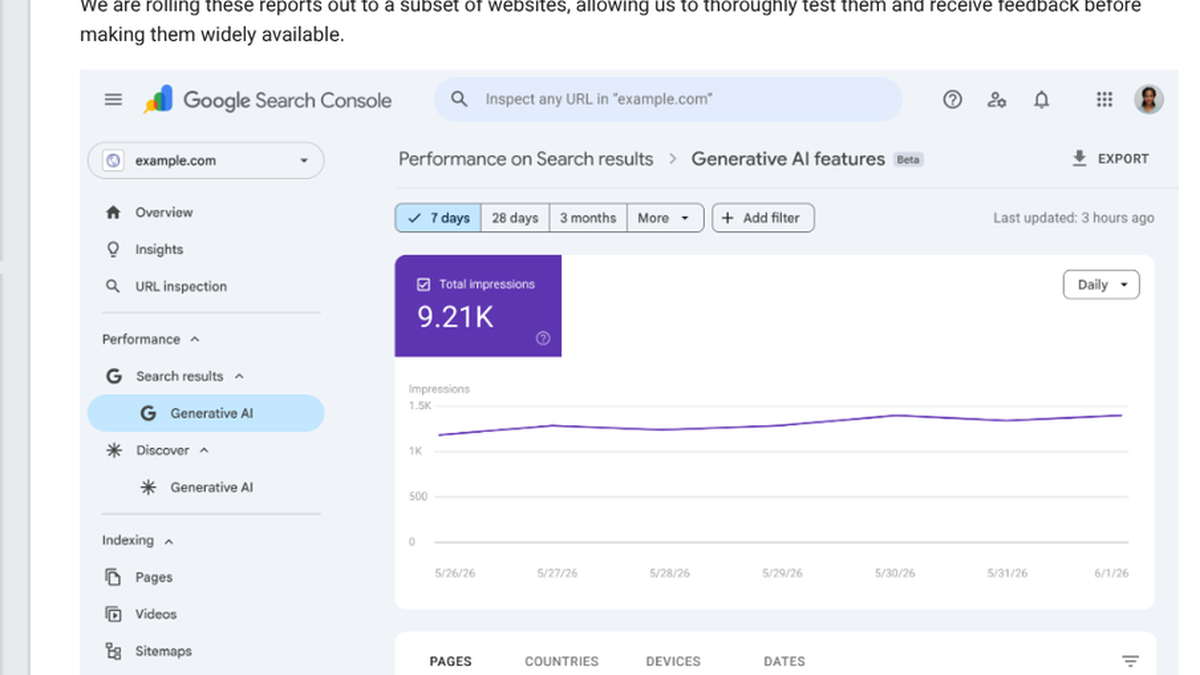
Limits worth knowing: no click split or query-level detail on the AI side, and nothing about ChatGPT or Perplexity. It's a porch light rather than a searchlight. Still: free, first-party, and five minutes to find. There's no version of a small-team stack without it.
3. GA4 With a Custom AI Channel Group
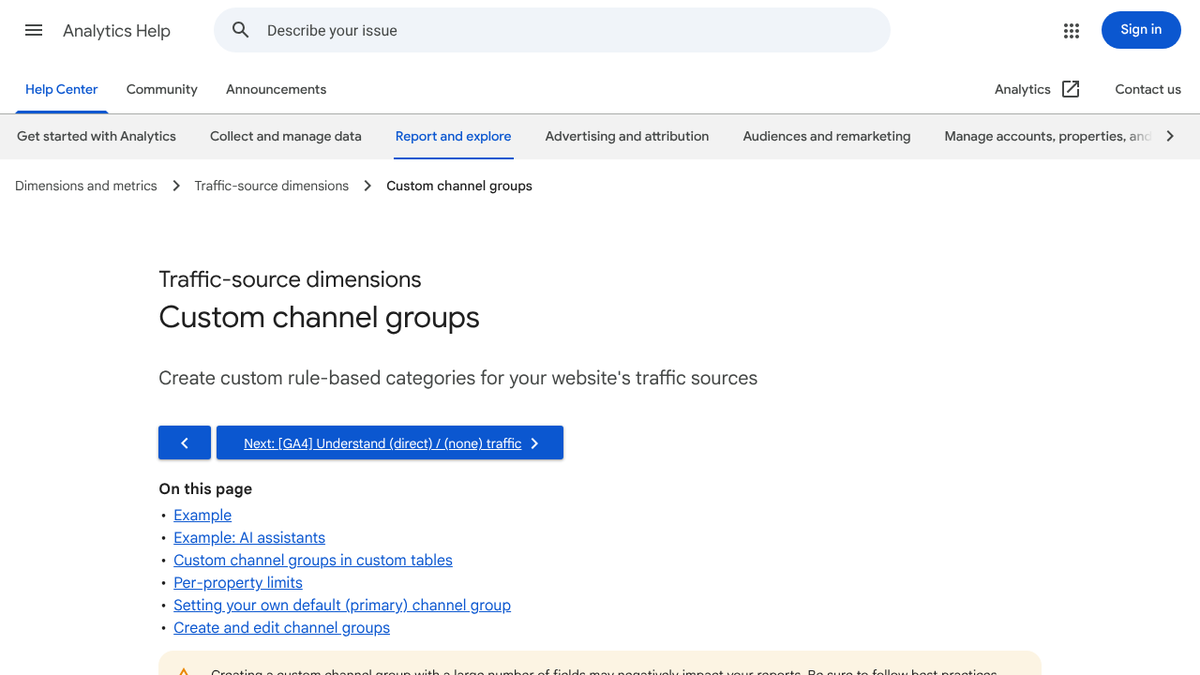
The second free layer: teach the analytics you already run to see AI referrals. A custom channel group matching chatgpt.com, perplexity.ai, claude.ai, and peers segments the visits that arrive with a referrer, and the setup takes about an hour once.
The known catch: roughly 70% of AI referral traffic arrives with no referrer header and hides in Direct, so read this layer as a floor and a calibration set rather than a total. What makes it worth the hour anyway is conversion quality, since AI-referred visitors convert at multiples of organic, and the visible slice proves what the invisible one is worth.
26 content formats. Published on your domain. Matched to your brand.
Guides, comparisons, listicles, case studies, and more. RankControl generates content that gets cited by ChatGPT, Perplexity, Claude, Gemini, Grok, and Google AI Mode.

4. Bing Webmaster Tools AI Performance, Plus Clarity
The most underrated free layer, and the one practitioners keep vouching for in community threads:
Looking for the best basic ai seo tool
I see many tools out there claiming that they monitor ai search results and helping you grow. Honestly I think it's too much noise. Can you recommend one or two tools that are actually legit?
Bing Webmaster Tools' AI Performance view tracks the Copilot surface with a prompt-level view, and the community's summary is hard to beat: the prompt tracker is genuinely good, and no other free tool shows competitor context. Pair it with Microsoft Clarity, also free, for behavior analytics on the visitors who do click through.
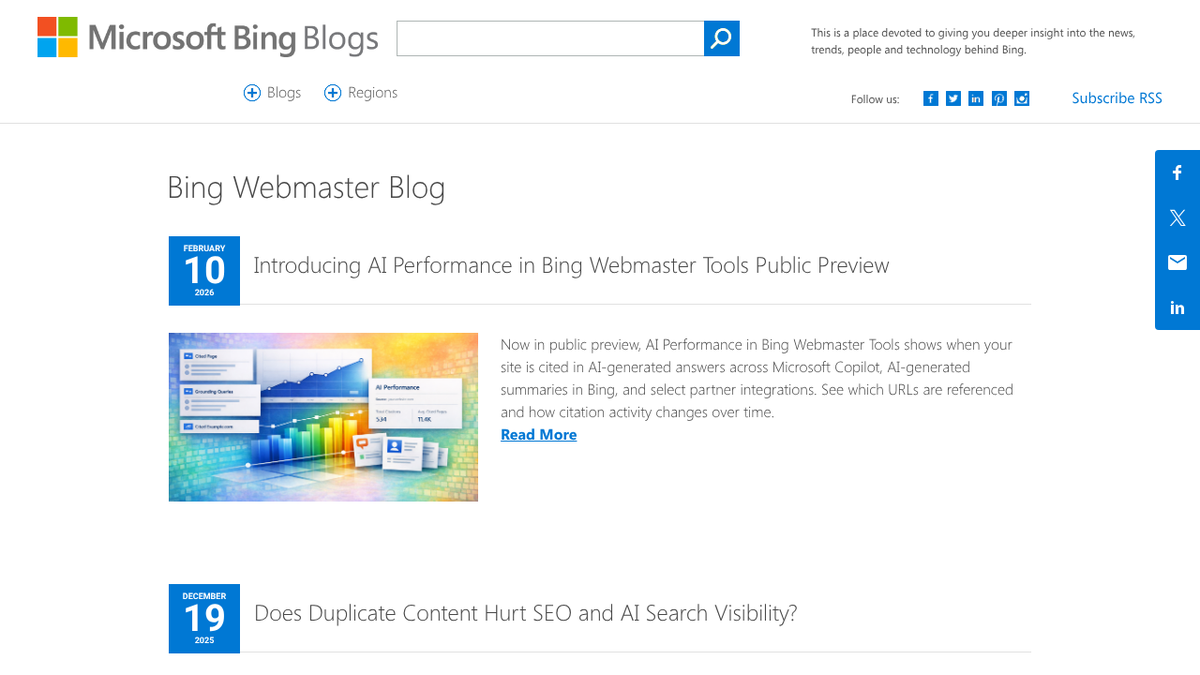
The Microsoft surface is smaller than Google's, which is exactly why it's under-watched, and being early where competitors aren't looking is a classically small-team move. Ten minutes to verify your site, and the free measurement floor is complete.
5. Profound
The first paid slot, and the gentlest on-ramp to dedicated citation tracking. Profound monitors brand mentions across the major AI platforms, with visibility scoring and competitive share of voice, from $99/month.
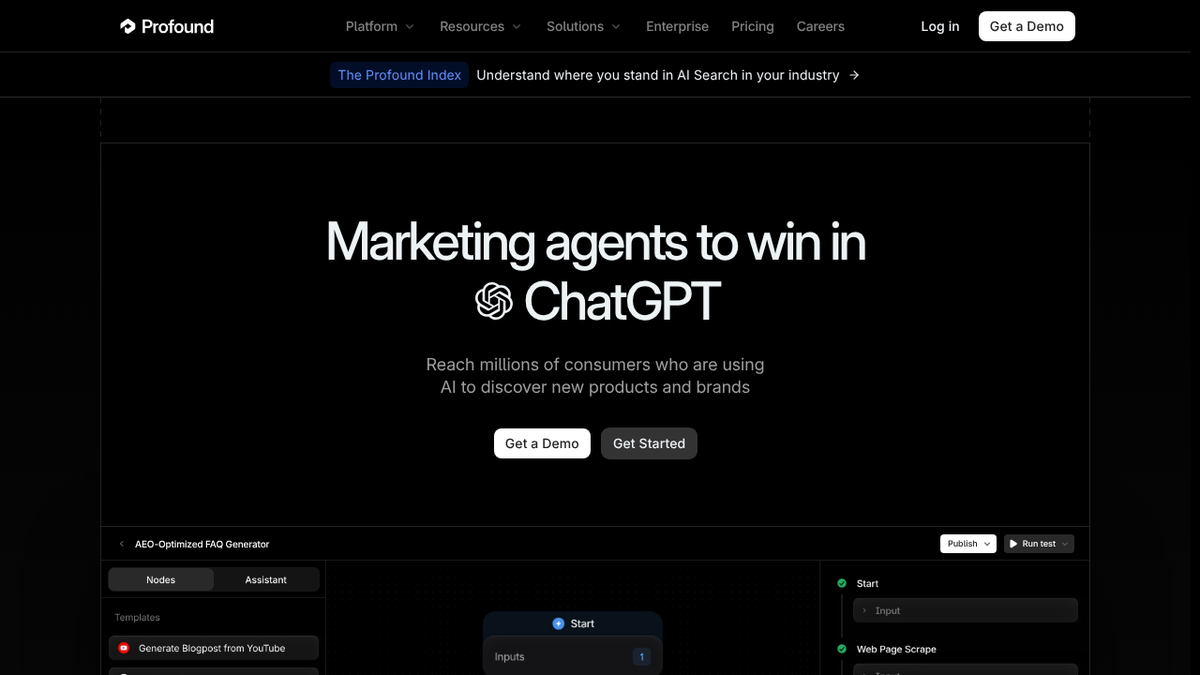
For a small team, the pitch is focus: one job, done properly, at a price that doesn't need a procurement conversation. What it doesn't do is act on anything it finds; you're buying a better instrument, and the hours to respond to what it shows remain yours. Teams that find themselves screenshotting Profound charts into content-planning meetings every week have outgrown the instrument-only shape, and that's the signal to reconsider the top of this list.
6. Rytr
The budget writing slot. Rytr generates drafts, product descriptions, outlines, and social copy from about $9/month, and for a solo marketer who needs words on pages, it's one of the cheapest legitimate accelerants in the category.
The honesty row: Rytr is a writing assistant, full stop. No visibility tracking, no publishing pipeline, no distribution, and drafts still need your editing pass before they're citable quality, a comparison we've run in detail. Grade it as a typing accelerator that costs less than lunch, pair it with the free measurement floor, and it's a perfectly rational starter stack for a team of one with more hours than dollars.
7. Semrush AI Visibility Toolkit
The incumbent's answer, and the right call for one specific team: the one already paying for Semrush. The AI Visibility Toolkit adds prompt tracking with search-volume context, around $165/month, inside the suite your workflows already live in.
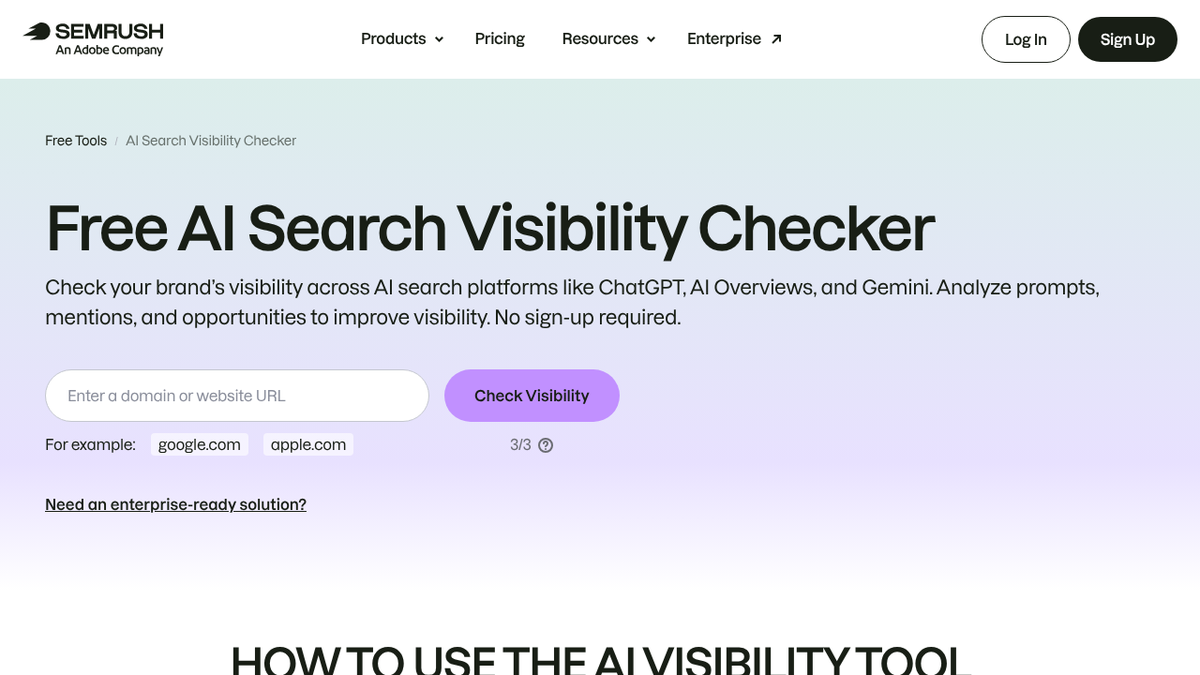
As a first AI tool for a small team starting fresh, the math is harder: you're buying into a suite to reach a toolkit. As an addition for existing Semrush shops, it's the lowest-friction option on this list: one invoice, and nothing new to learn. Know which team you are before this one's price makes sense.

Your competitors are getting cited by AI. You're not.
Every day without citation tracking is a day your competitors pull ahead in ChatGPT, Perplexity, and Claude.
The Pricing Shape, Side by Side
| Tool | Monthly cost | What it does | What it leaves to you |
|---|---|---|---|
| RankControl | $400 flat | Runs the loop: track, write, publish, outreach | Strategy and approval |
| GSC Generative AI | Free | AI Overviews impressions | Everything after measuring |
| GA4 channel group | Free | AI referral segmentation | Everything after measuring |
| Bing WMT + Clarity | Free | Copilot prompts, competitor context | Everything after measuring |
| Profound | From $99 | Citation monitoring | All the acting |
| Rytr | From $9 | Draft writing | Editing, publishing, tracking |
| Semrush AI toolkit | ~$165 | Prompt tracking in-suite | The suite subscription, the acting |
The DIY Stack, Priced Honestly
One more option deserves daylight, because it keeps winning budget threads: the build-it-yourself stack. The recipe practitioners actually describe runs a DataForSEO API subscription around $50 plus a Claude or ChatGPT subscription at $20, wired together with prompts and spreadsheets, and it genuinely works for the technically comfortable. So why doesn't everyone run it? Price the hidden line: the wiring, the maintenance, the weekly operation, and the debugging when an API shifts are all your hours, and at even a modest hourly value the $70 stack costs more than most tools on this list by February. Small teams with an engineer's disposition and slack time should try it; small teams without should read that $70 as a down payment on a part-time job.
The Weekly 90 Minutes, Whatever You Pick
Whichever stack you assemble, the small-team operating rhythm fits in 90 minutes. Fifteen on the free floor: GSC's AI impressions, the GA4 channel, Bing's prompt view, noting movement rather than absolutes. Thirty on whatever your paid layer flagged: a lost citation, a competitor climbing on a query that matters. Forty-five on one action: fixing the page a check flagged, or shipping the draft that's been waiting. The ratio is the point, and it's the one most stacks get backwards: measurement earns a third of the time, action gets the rest, because visibility moves when you ship, and no amount of dashboard-refreshing substitutes for that.
Four Buying Mistakes Small Teams Keep Making
- Trusting astroturfed recommendations. Budget-tool threads are thick with sockpuppets asking planted questions and answering themselves; one thread we researched for this piece caught an account doing exactly that, word for word, twice. If a no-name tool's praise reads templated, search the username before the trial.
- Buying dashboards to avoid decisions. A second tracker feels like progress and changes nothing a first tracker didn't already tell you. If last month's findings went unactioned, the bottleneck is hours, and the next dollar belongs there.
- Ignoring the free floor. Paying for measurement you could have free means the paid tool must beat GSC plus GA4 plus Bing, and several can't.
- Credit-metered anything on a small budget. Consumption pricing punishes exactly the steady weekly checking a small team needs. Flat beats metered at this scale, every time.
How to Vet Any Tool This List Missed
New AI SEO tools launch weekly, and the recommendation channels for them are polluted enough to deserve their own protocol. The budget threads where small teams ask for advice are exactly where the astroturfing concentrates, and sharp-eyed communities keep catching it in the act:
What is the best SEO tool on a budget?
I’m looking for something that’s affordable but still gets the job done not the big guys like semrush or ahrefs, i’d love to hear from people who’ve actually used these tools, what do you guys recommend? and thnx
That thread caught an account asking the identical question a second time while another account posted the identical no-name recommendation, word for word, which is the pattern to memorize. The vetting protocol for anything not on this list: search the recommender's post history before the tool's homepage; require a public pricing page and a findable changelog, since ghosts have neither; prefer tools that publish their checking methodology over ones that output a proprietary score; and run any trial against the free floor for two weeks, because a paid tool that can't beat GSC plus GA4 plus Bing by a visible margin has answered your question. Fifteen minutes of diligence filters most of the category, and the tools that survive it tend to be the ones that survive in general.
Three Stacks by Team Shape
The assembled recommendations, by the team you actually are. A team of one with more time than money: the free floor plus Rytr, $9 total, and the 90-minute rhythm. A team of two or three with a real content cadence: the free floor plus Profound, roughly $100, with the acting hours protected on the calendar. A team of one to five whose hours are the whole bottleneck: the flat-fee pipeline that runs the loop and hands back the week, which is the shape we built and the shape the 7-day trial exists to test. Every one of those stacks starts the same way, though: switch on the three free layers this afternoon, because the measurement floor costs nothing and every future decision gets smarter the day it exists.
200+ SaaS teams already track their AI citations.
They know exactly when ChatGPT mentions their brand, and when it stops. Do you?