The most clarifying stat in zero-click AI search came from a team honest enough to publish their own faceplant: after four months of celebrating citation-count highs, they pulled referral data and found 73% of their AI-cited pages had sent exactly zero visitors in 90 days. Some pages had 15+ citations across models. Zero visits. If your B2B SaaS is chasing AI visibility, that audit is the wall your strategy will eventually meet, and this guide is about what adaptation actually looks like on the other side of it, because the answer is emphatically not "give up on the answer layer."
What Zero Click Actually Means for B2B
Zero click AI search is the interaction that ends inside the answer: a buyer asks ChatGPT, Perplexity, or Google's AI features something in your category, the engine assembles a response from sources it retrieved, and the buyer moves on satisfied, having visited nobody. It's the answer-layer extension of a shift that started with featured snippets, and for B2B it lands on the most valuable part of the funnel, because research-shaped questions, what tools exist, how they compare, what to look for, what everything costs, are exactly what the engines answer best.
The instinctive readings are both wrong. "Zero click means SEO is dead" ignores that the answers are built from somebody's content, and being that somebody is winnable. "Just get cited more" runs into the 73% wall above. The adaptation is more specific than either, and it starts with understanding why cited pages go unvisited.
The Encyclopedia Problem
The team behind that audit diagnosed their own data, and their first finding deserves a name on every content plan: the encyclopedia entry problem. Most of their citations were factual confirmations, the AI lifting a stat or definition to support a larger answer. The user got what they needed from the quote itself. The site functioned, in their words, as a fact-checking layer rather than a destination:
73% of our AI citations drove zero traffic in 90 days — we were optimizing the wrong thing
Here's something I don't see talked about enough: getting cited by AI and actually getting traffic from those citations are two completely different games. We spent the first 4 months of our GEO work chasing citation counts. Every week we'd...
Their second finding matters even more for strategy: citation position beat citation presence, dramatically. Pages consistently appearing as the first or second source in a response earned roughly 11x the clicks of pages cited lower. Answers have a fold, and the fold is brutal. A commenter added the frame that ties it together: a citation is an impression rather than a click, proof the model trusts your content, and nothing more. Let me restate that plainly, because it is the strategy: impressions have value, position multiplies it, and some pages should be built to convert the impression into a visit while others never will.
Know exactly what AI says about your competitors.
RankControl's Recon Agent monitors competitor citations across ChatGPT, Perplexity, Claude, Gemini, Grok, and Google AI Mode. See where they show up and you don't.
Build Pages the AI Can't Finish
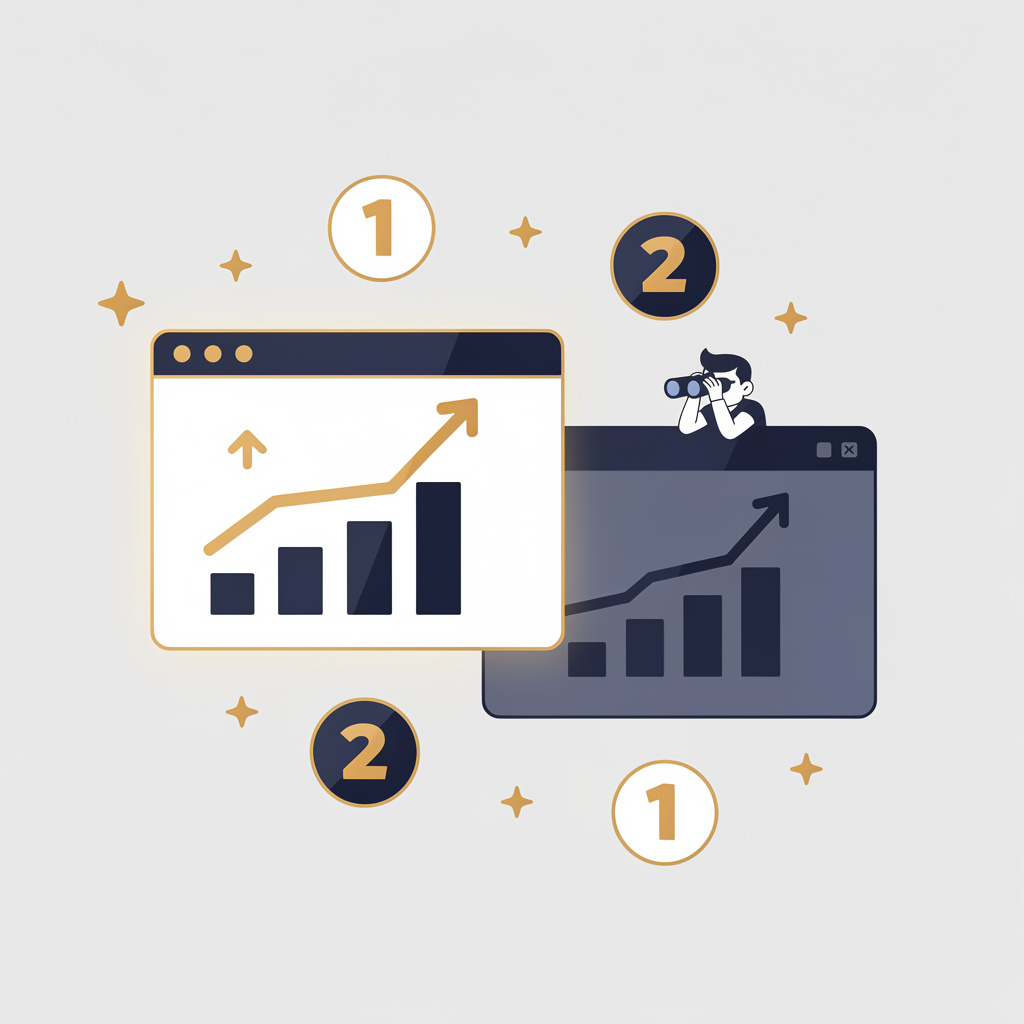
The pages that still earn visits share one property, named perfectly in that thread: the AI can't reasonably finish the job on its own. That's the design principle for click-earning content in the zero-click era, and for SaaS it maps to five buildable shapes.
- Tools and calculators. An ROI calculator, a grader, an audit widget. The answer can describe it and even recommend it; using it requires arriving, every single time.
- Templates and assets. The checklist, the spreadsheet, the policy doc. Engines summarize; downloads convert.
- Living data. Benchmarks and pricing comparisons updated monthly. Models quote stale versions and buyers who care click through for current numbers, which makes freshness itself the click magnet on this page type.
- The product itself. Free tiers, demos, interactive sandboxes. The one page category no answer can substitute.
- Decision-stage depth. Security docs, migration guides, implementation details, onboarding architecture, where a serious buyer wants the primary source rather than a summary.
Meanwhile, keep publishing the encyclopedia pages, deliberately and without traffic expectations, because they do a different job: they're how the engines learn your facts, how your brand gets described correctly, and how you earn the trust that positions your other pages. The mistake was measuring those pages in sessions rather than in facts delivered.
The Front Desk Funnel
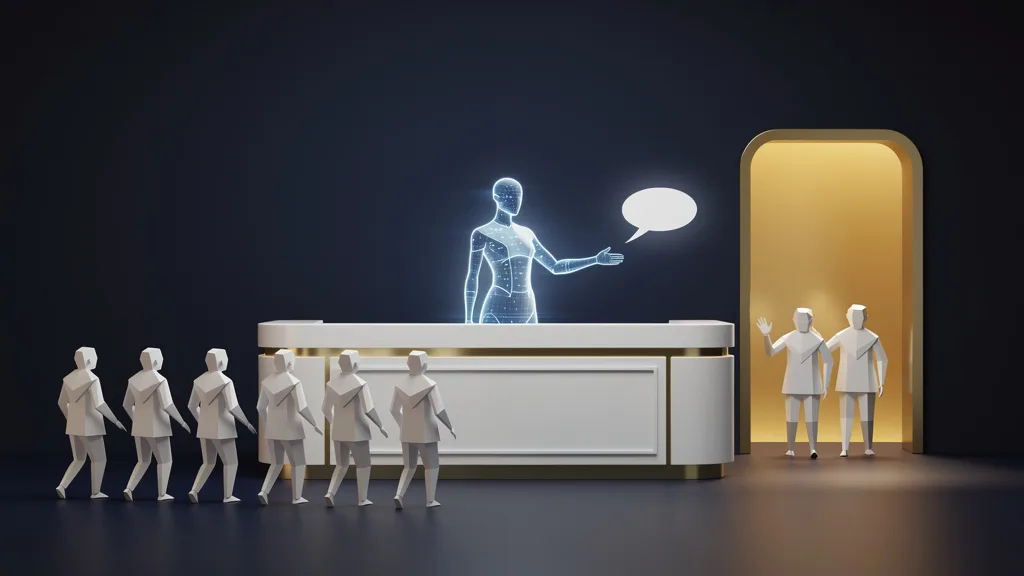
The healthiest mental model in the whole discussion came from that same thread: the answer layer is a front desk. It pre-qualifies your visitors, answers their basic questions, describes your product before you ever get the meeting, and sends through fewer, warmer people. B2B funnels have always had this layer, so who staffed the desk before? Analysts, review sites, colleagues, and conference hallways. Now an engine works the first shift.
That model reorganizes the metrics. Watch brand-search volume and direct arrivals alongside referrals, because buyers who met you in an answer often arrive later, by name, through a channel your attribution files under "direct." Watch description accuracy per engine, because the front desk is reciting facts about you all day and wrong facts compound quietly. And accept the arithmetic shift: fewer sessions, higher intent per session, with influence living upstream of every click you can still count.
26 content formats. Published on your domain. Matched to your brand.
Guides, comparisons, listicles, case studies, and more. RankControl generates content that gets cited by ChatGPT, Perplexity, Claude, Gemini, Grok, and Google AI Mode.

Measure the Layer You Can't See in Analytics
Here's the operational core of adaptation, because everything above collapses without instrumentation. The zero-click funnel's top is invisible to analytics by definition, so the measurement moves to the answers themselves: which of your buyer queries produce answers that mention you, cite you, at what position, and in what words, per engine, week over week, against the competitors sharing those answers. Position tracking matters specifically because of the 11x finding, and description tracking matters because the front desk never stops talking.
That instrument is what we build, so one plain sentence on it: RankControl tracks 50 buyer queries weekly across ChatGPT, Perplexity, Claude, Gemini, Grok, and Google's AI surfaces, logging mentions, citations, share of voice, and how each engine describes you, which turns "are we adapting to zero click" from a debate into a trend line. The manual version is a fixed prompt panel and a spreadsheet, run weekly with discipline, and it works until it doesn't get done.
A Quarter of Adaptation, Concretely
Strategy posts love principles, so here's the thirteen-week version with deliverables.
Month one is the audit. Pull every page with an AI citation, join it against referral data, and sort the library into its two roles: encyclopedia pages doing fact-delivery work, and destination pages that should be earning visits and aren't. Most teams discover the same two surprises the original audit did: beloved pages functioning as unpaid fact-checkers, and a handful of unglamorous pages quietly converting because they sit first in answers.
Month two builds. Ship one AI-can't-finish asset aimed at your highest-intent query cluster, a calculator, a living benchmark, a template pack, whichever your buyers would actually use. In parallel, run the front-desk fact pass: pricing, positioning, and product facts corrected everywhere the engines read, because the concierge recites whatever it last learned.
Month three fights for position. Take your five most valuable queries where you're cited low, and upgrade those specific pages for extraction: direct answers first, verifiable specifics, current dates. Position moves faster than presence, because you're improving standing in answers that already include you. Close the quarter by re-running the audit, and expect the cited-to-visited ratio to improve before total sessions do.
The Board Conversation
Adaptation dies in companies that keep grading it on the old scoreboard, so reset the KPIs explicitly. Sessions from informational queries: expected down, structurally, and no longer a health metric. Pipeline per session: expected up, because the front desk pre-qualifies. Brand search and direct arrivals: the new proxy for answer-layer influence, watched as a trend. Citation position and share of voice on the twenty queries that matter: the new top-of-funnel, reported weekly. Description accuracy: a standing line item, because wrong facts at the front desk cost meetings nobody logs.
Present it as a redistribution rather than a decline, with the 73% audit as the opening slide, and boards follow the logic readily. What they punish is discovering the shift two quarters late from a revenue miss, which is exactly what the old scoreboard guarantees.
The Adaptation Checklist
The whole playbook, compressed. Audit your current citations against referral data and sort pages into encyclopedia and destination roles on purpose. Build one AI-can't-finish asset per quarter, aimed at your highest-intent questions. Keep the citable layer current and factually pristine, since it's your front desk script. Track citation position, description language, and share of voice per engine weekly. Watch brand-search and direct trends as your new proxy for answer-layer influence. And re-run the referral audit quarterly, because the engines keep reshuffling and last quarter's positions are nobody's guarantee.
One prediction to close, since adaptation guides age fast in this space: the zero-click share of B2B research will keep climbing as agents take over more of the comparison work, and the gap between brands that instrumented the answer layer and brands still refreshing session counts will widen every quarter it does. Zero click is a redistribution of where influence happens, and redistribution always pays whoever adapts first. The 73% number reads as bad news exactly once. After that, it's a map, and the teams holding the map get to pick their ground.

Your competitors are getting cited by AI. You're not.
Every day without citation tracking is a day your competitors pull ahead in ChatGPT, Perplexity, and Claude.