Most guides on how to build backlinks list a dozen methods and skip the one thing you need to plan your week, which is how long each one takes. We checked the two top-ranking guides we could read on October 18, 2026. Between them they described 16 methods, and only one came with a number attached, "a few hours per placement" for guest posts.
This guide covers seven methods that still work in 2026, in rough order of effort, with a time cost for each. It ends with how links connect to AI citations, because that's changed too.
What makes a backlink worth having
A good backlink comes from a real site in your field, on a page people actually read, in a sentence that makes sense. Google's ranking systems have been built for years to ignore or discount links that don't meet that bar. Our check of the sites linking to #1 pages found 60% had under 100 monthly search visits.
Google's spam policies are clear about what not to do. Buying or selling links for ranking purposes counts as link spam, and so do large-scale link swaps and automated link programs. Paid placements are fine if the link is marked with rel="sponsored" or nofollow.
So the question isn't how to get the most links. It's how to get links a person would actually click, from sites your buyers already trust.
The methods, ranked by effort
Here's the short version. Time estimates are ours, for one person doing the work by hand, and they'll vary by niche.
| Method | Time per link | Hit rate | Best for |
|---|---|---|---|
| Unlinked mention reclaim | About 15 minutes | High | Brands people already talk about |
| Directories and badges | 10 to 30 minutes | High | New and local sites |
| Journalist requests | 30 to 60 minutes per pitch | Low to medium | Anyone with expertise to quote |
| Resource pages | 3 to 5 hours per 10 pitches | Low to medium | Sites with genuinely useful guides |
| Broken link building | 4 to 6 hours per batch | Medium | Niches with older content |
| Guest posts | 4 to 8 hours per post | Medium | Building reach with an audience |
| Data studies | 15 to 40 hours up front | Compounds | Earning links for months |
We call this the effort ladder. Start at the bottom rungs, which are quick and likely to work, and climb only when they run dry.
Know exactly what AI says about your competitors.
RankControl's Recon Agent monitors competitor citations across ChatGPT, Perplexity, Claude, Gemini, Grok, Google AI Mode, and Google AI Overviews. See where they show up and you don't.

1. Reclaim unlinked mentions
This is the fastest win most sites have. Search for your brand name in quotes, minus your own site, and look for pages that mention you without a link. Reviews, roundups, podcast show notes and partner pages are the usual finds.
Then send a short, friendly note to the author. Thank them for the mention and ask if they'd add a link so readers can find you. That's it.
It works because the writer already chose to talk about you. Allow an hour or two to find the first batch, then about 15 minutes per email. Set up a free Google Alert for your brand name so new mentions come to you.
2. Directories, listings and badges
For a new site, foundational listings are the base layer. That means your Google Business Profile, the main business directories for your country, and the two or three directories that matter in your industry. Each takes 10 to 30 minutes.
These links won't move rankings much on their own. They do help search engines confirm your business is real, and they're often the first places a buyer checks.
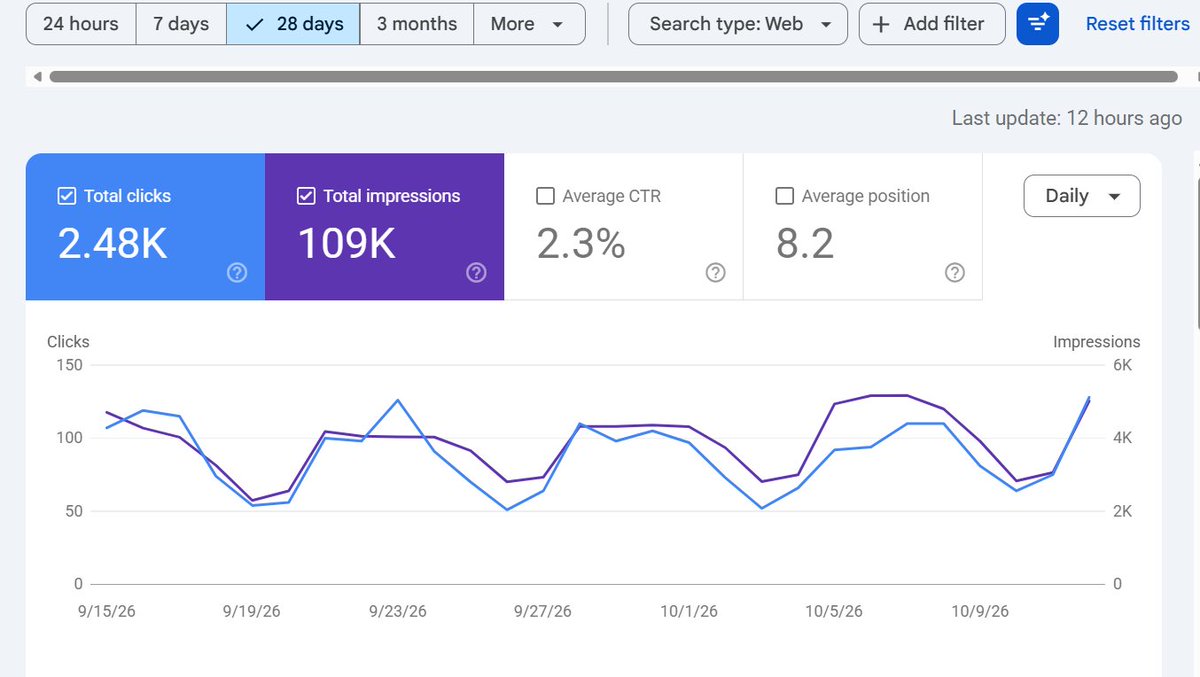
One indie site builder on X shared the mix that took a new local directory site to almost 2,500 Google clicks in 28 days. Alongside press release syndication and directory links, they offered businesses an enhanced listing in exchange for a badge link on their own site. They said informational content about laws and guidelines had the most long-term potential.
Almost 2,500 Google clicks in the last 28 days. This is from a local directory website I launched a few months ago. I wanted to share the backlink strategy I've been using to help grow it. 1. PRLog When I first launched, I published a press release through PRLog announcing https://t.co/1u7TcWg0wR
 Grant O@2whazzuupOct 15, 2026
Badge links like that work best when the badge means something, such as a real award or a verified listing. Keep them relevant and honest.
3. Answer journalist requests
Reporters regularly post requests for expert quotes. Some use request services, and many post on X with the hashtag #journorequest. If you answer quickly with a specific, quotable answer, you can earn a link from a news or trade site.
Each pitch takes 30 to 60 minutes. Most won't be used, so expect to send many before one lands. The ones that do are often among the strongest links a small site can get.
Keep your answers short, specific and true. A real number from your own work beats general advice every time.
4. Get listed on resource pages
Many sites keep pages of useful links, such as "best tools for new teachers" or "resources for first-time home buyers." Search for your topic plus words like "resources" or "useful links" to find them.
If you have a guide that genuinely belongs on that list, email the page owner and say why. Be specific about which section it fits and what it adds. Allow three to five hours to find good pages and send 10 pitches.
This only works if your page is actually useful. A sales page won't get added to a resource list.
26 content formats. Published on your domain. Matched to your brand.
Guides, comparisons, listicles, case studies, and more. RankControl generates content that gets cited by ChatGPT, Perplexity, Claude, Gemini, Grok, Google AI Mode, and Google AI Overviews.

5. Fix broken links for other sites
Pages in every niche link to articles that no longer exist. If you find a broken link on a relevant page, and you have a page that covers the same thing, you can tell the site owner and suggest yours as the replacement.
You'll need a crawler or a link checker to find broken links at scale. A batch of 10 to 20 good targets usually takes four to six hours, including checking that your page is a real fit. One practitioner on r/SEO said it still works, with lower volume than cold outreach but a better hit rate. That makes sense, since you're fixing a problem for the site owner.
6. Write guest posts
A guest post is an article you write for another site in your field, usually with a link back in your bio or in the text. The best ones are written for that site's readers, not for your link.
Budget four to eight hours per post, covering the pitch, the writing and the edits. Pitch sites your buyers actually read, even if they're smaller. A guest post on a respected niche blog does more for you than one on a high-authority site nobody in your field visits.
Avoid sites that openly sell guest posts to anyone. Google's spam policies call out large-scale guest posting campaigns with keyword-rich anchor text as link spam.
For the email side of guest posts and every other pitch, our guide to off-page SEO in 2026 covers what still earns replies.
7. Publish data people want to cite
The highest-effort method is also the one that keeps paying. Publish something other people need to reference, like an original survey, a pricing study, a benchmark from your own product data, or a useful free tool.
Plan for 15 to 40 hours up front. Then pitch it to journalists and writers who cover your field. A good data study can keep earning links for months without more outreach.
Backlinko's guide puts "create linkable content" first for a reason. It's the method that turns link building from asking into being found.
How backlinks connect to AI citations
Links still matter for Google rankings, though not always page by page. Our count of the links behind 103 top-ten pages found that 54 had fewer than 10 linking sites of their own. Many ranked on the strength of their whole site, which is where links built over time pay off. And AI engines often pull from pages that rank well.
But for AI answers, brand mentions seem to carry more weight than links. Ahrefs' study of 75,000 brands found that branded web mentions correlated at 0.664 with visibility in Google's AI Overviews. Backlinks came in at 0.218. That's a correlation, not proof, but it's a big gap. Our post on brand mentions vs backlinks covers the study in detail.
The practical takeaway is that the best methods here do both jobs. A journalist quote, a data study or a reclaimed mention gives you a link and a mention of your name on a trusted site. A paid directory link gives you neither in any way that counts. Our post on why backlinks alone aren't enough for AI search goes further.
Doing it yourself or handing it off
Link building is steady work, not a one-off project. A sensible pace for a small team is two to three hours a week on reclaims and journalist requests, plus one bigger piece, like a guest post or data study, each month. That's 10 to 20 hours a month. If you'd rather pay someone, our guide to outsourcing link building compares the options and prices.
RankControl takes on the slow parts. Our outreach finds prospects for each article we publish, finds the right contact and drafts a personalized email from your own mailbox. If you'd rather not run outreach at all, the Managed Backlinks add-on places five links a month from DR 25+ sites for $350 a month. Expect the effect to show first as Google traffic, with AI citations following more slowly as mentions and links build up.

Your competitors are getting cited by AI. You're not.
Every day without citation tracking is a day your competitors pull ahead in ChatGPT, Perplexity, and Claude.