Anthropic spent August teaching AI agents to run microscopes. On August 27, the company opened a research preview of the Model Hardware Standard (MHS), a shared specification that lets AI agents safely operate physical devices: microscopes, robotic arms, liquid handlers, and the machinery on factory floors. The same day, Claude in Chrome went generally available. Read the two announcements together and the Anthropic Model Hardware Standard stops looking like a science story. It looks like a statement about where AI agents are going next, and web pages are only the first stop.
Here's why a hardware spec aimed at research labs belongs on the radar of anyone who cares about AI search visibility.
What the Model Hardware Standard Actually Is
Most lab and factory devices ship with their own programming interface and no common way to talk to each other. Getting a rig to work usually means specialists writing bespoke integrations, a process Anthropic says takes weeks or months. MHS replaces that glue work with a standardized driver built on a small set of primitives any device can understand. "Read" gets a temperature. "Write" sets one.
Anthropic's own analogy, given to CNBC, is USB-C: one connector standardizing how information moves between devices. Elizabeth Kelly, Anthropic's head of beneficial deployments, told CNBC the company "built this for science to sort of show the promise of AI, but there's also huge benefits here for enterprise and for industry."
The detail that deserves more attention is the reference file. MHS lets a user describe a device in natural language, including things code alone can't tell an agent, like how much a robot arm weighs or what safety limits apply. The driver turns that into a standard file covering what the device can measure, what can be adjusted, and which limits get enforced. An agent that has never seen the machine reads that file and knows how to operate it.
Two more facts worth having straight. MHS is model-agnostic, so nothing ties it to Claude. And it isn't open source yet: the preview covers a first group of labs and manufacturers, with an open-source release planned after Anthropic builds safety evaluations with its partners.
The origin story is unusually concrete for a standards announcement. MHS began when a postdoc at HHMI Janelia Research Campus, stuck running brain-imaging experiments on a rig of lasers, focusers, cameras, and vendor programs with no shared interface, built a shared memory dictionary so his instruments could talk to each other. Anthropic's team worked with him to wire AI models into that interface. The spec grew out of a real rig that wouldn't cooperate.
The Early MHS Results Are the Interesting Part
The launch partners published numbers, and the numbers are the story.
QuEra Computing, which builds quantum computers from neutral atoms, gave an agent control over parts of its laser system. The agent developed a controller that recovers the laser's "lock," the ultra-precise frequency the machine depends on, 99.3% of the time without a human touching anything. Carnegie Mellon researchers ran dose-response experiments about three times faster than before, with one agent coordinating a liquid handler, a plate reader, a robotic arm, and monitoring cameras spread across three computers with incompatible interfaces. Genentech automated a standard protein assay as a proof of concept. Integration work that took weeks now lands in hours or minutes.
The vendor list says even more about momentum. AWS is supporting MHS through its Strands Robots library. Universal Robots, Tecan, QIAGEN, and Doosan Robotics are testing or adding support. So are Hugging Face, through its LeRobot robotics library, and Raspberry Pi. That's the supply side of an ecosystem forming before the spec is even public.
The reaction on Reddit caught the shape of the moment. A highly upvoted comment on r/singularity described AI's tooling phases in sequence: first the terminal, then MCP servers and APIs, now physical instrumentation. That framing matches the record.
Anthropic established the Model Hardware Standard for interfacing equipment, reducing the duration of scientific experiments from weeks to just a few days
https://x.com/AnthropicAI/status/2093038426140651791
15+ content types. Published on your domain. Matched to your brand.
Guides, comparisons, listicles, case studies, and more. RankControl generates content that gets cited by ChatGPT, Claude, Perplexity, and more.
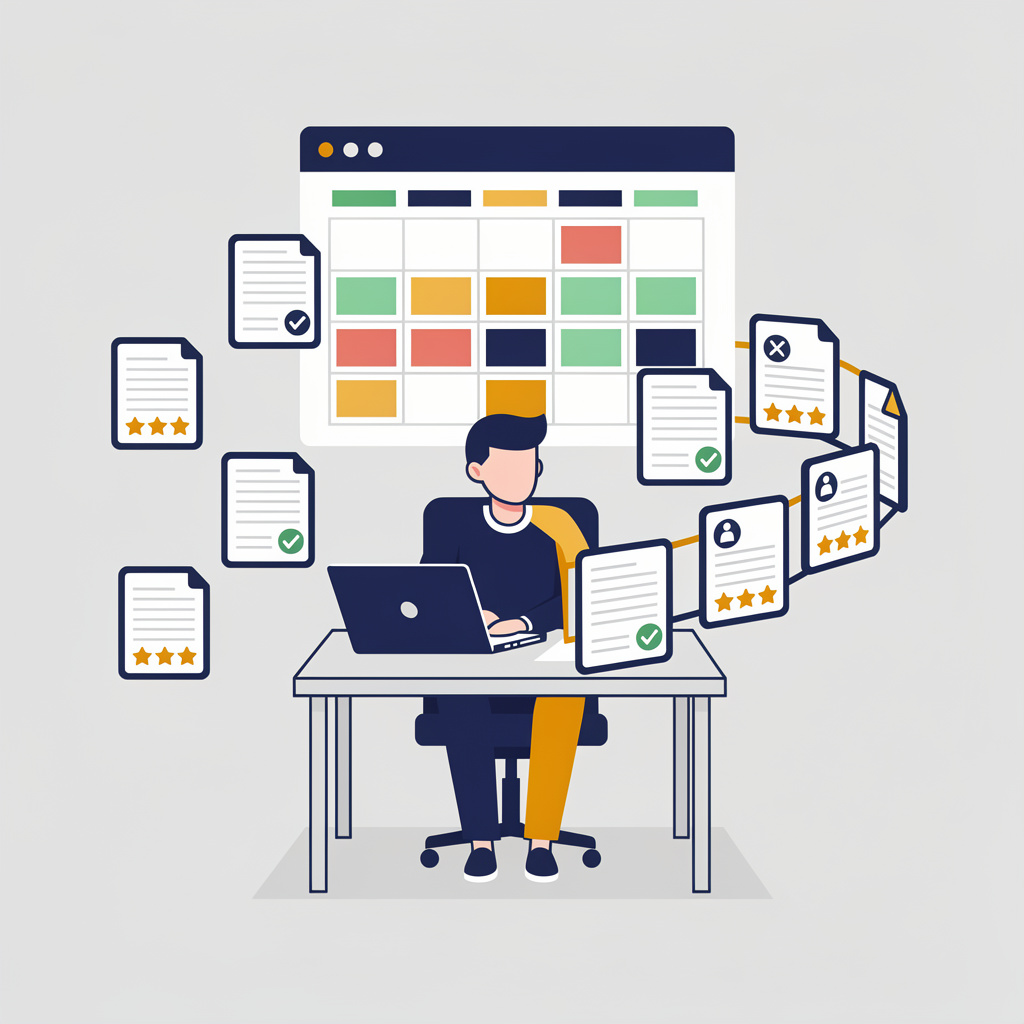
From MCP to MHS: Anthropic Keeps Shipping the Plumbing
A fair question showed up in every comment thread: isn't this another protocol in an industry already drowning in them?
Honestly, the skepticism would land harder if Anthropic didn't have a track record here. The company open-sourced the Model Context Protocol in 2024, and MCP quietly became the default way agents connect to software and data. MHS follows the same playbook: incubate with partners, prove it on real workloads, open the spec, and let the community run with it. Anthropic writes specs that turn into infrastructure.
Which brings me to the browser half of August 27. Claude in Chrome moving to general availability, alongside an integrated browser in the Claude desktop app, means Claude now navigates, reads, clicks, and types on live web pages. The browser agent race already had four serious contenders before this. Sequence the capabilities and a pattern appears: agents learned to read the web, then to act on the web, and now Anthropic is standardizing how they act on everything else.
Why a Lab Robot Spec Matters for AI Search
Let me back up for a second, because the objection is obvious. Your buyers are not asking a microscope about your product, and MHS will spend years in labs and factories before it touches anything commercial. Fair.
The reason it still matters: MHS shows, in working code, how agents choose what to operate. A device becomes usable to an agent the moment it describes its capabilities in a standard, machine-readable format. Devices without that description need a human translator. Devices with it get discovered and put to work.
Websites are now under the exact same selection pressure. When an agent researches a category on behalf of a buyer, it parses whatever it can read cleanly and skips whatever it can't. Structured content, clear entity signals, parseable pricing, and readable docs are what make a SaaS discoverable to agents. The MHS reference file is a preview of how machines will expect every resource to introduce itself, your site included.
For what it's worth, we see this shift in the citation data already: answers increasingly assembled by agents that fetched and summarized sources the user never visited. Tracking where your brand shows up across those engines is how you find out whether you made the cut.
Your competitors are getting cited by AI. You're not.
Every day without citation tracking is a day your competitors pull ahead in ChatGPT, Perplexity, and Claude.
What B2B SaaS Teams Should Do Now
No panic required. The practical response fits in four moves.
- Structure your content so an agent can lift answers cleanly. Direct answers under clear headings, comparison tables, FAQs, clean lists. The playbook for content AI agents cite covers the format details.
- Check your crawler access. An agent that can't fetch your pages can't recommend you. Audit robots.txt against the current list of AI crawlers before assuming you're visible.
- Publish machine-parseable versions of your commercial facts. Pricing, feature specs, plan limits, integration docs. Plain structure beats clever design when the reader is a parser.
- Measure your presence across AI engines on a schedule. The real problem isn't doing this audit once. It's knowing when an engine quietly stops citing you three months from now.
Total time for the first pass: a focused workday, then a few hours monthly to keep watch. You can run all of it manually. Or RankControl's agents can run the tracking and the content side for you every week while you build product.
What to Watch Between Now and the Open-Source Release
MHS will be measured by what happens when it leaves the preview. Watch for the open-source date and the safety findings Anthropic says will ship with it. Watch whether devices without programmable interfaces start getting MHS drivers from manufacturers. And watch whether OpenAI and Google answer with competing hardware specs or adopt this one, the way the industry consolidated around MCP.
The bigger arc is already set. In two years, AI agents went from autocomplete in a chat window to browsing the live web and calibrating lasers on quantum computers. Every step widened the gap between resources machines can work with and resources they route around. Your website is on that spectrum whether you planned for it or not, and the teams treating agent readability as table stakes this year will be the ones agents keep recommending next year.
200+ SaaS teams already track their AI citations.
They know exactly when ChatGPT mentions their brand, and when it stops. Do you?