On June 30, 2026, Google shipped Gemini Omni Flash in public preview, and buried a detail worth staring at. The model generates video with native synchronized audio, not stitched-on TTS, at ten cents per second of output. Native audio in, native audio out. That is a small technical decision with a large downstream consequence for anyone paying attention to how AI answers get sourced. It is also, importantly, not the model doing the citing. That is the honest starting point of this article, and the rest of it explains why AEO teams should still care.
What Actually Shipped, and What Didn't
Omni Flash is a generation model. Inputs are text, images, and up to three seconds of reference video. Outputs are ten-second clips at 16:9 or 9:16, each carrying an imperceptible SynthID watermark and C2PA content credentials so downstream systems can tell whether a video was born from an AI or a camera. The API lives at the /v1beta/interactions endpoint, with a previous_interaction_id parameter that lets you keep editing the same clip across turns: swap the character, relight the scene, restyle it, all in prose. Google Cloud shipped it with launch partners:
Gemini Omni Flash is here, proud to be a day 0 launch partner with @googlecloud video gen + editing by just talking to it swap characters → relight scenes → restyle → all with native audio wild 👇 https://t.co/YOKCRhinYT
 GMI Cloud@gmi_cloudJun 30, 2026
Two things that Omni Flash is not. It is not the model powering AI Mode's citation selection. That is Gemini 3.5 Flash, which became the default in AI Mode globally on May 19 and now serves more than a billion monthly users. And it is not a text or reasoning model at all. Anyone reading the launch as "Google's new SEO model" is reading the headline. The real signal is quieter and takes a paragraph to unpack.
The Signal Sitting Under the Launch
Google's flagship generation model is now native video plus native audio. That is where the company is spending its research budget, and generation always precedes understanding in a lab's roadmap. When native understanding lands in the model powering AI Mode, and it will, the citation pool for AI answers gets a new surface. Content that today reaches humans through a podcast, a demo video, or a webinar becomes citable material at the same tier as your blog. The r/singularity crowd read it the same way:
Gemini Omni Flash Video Editing Capabilities
Check out their blog post here: Start building with Nano Banana 2 Lite and Gemini Omni Flash
There is a clean way to see the size of the shift already underway. OtterlyAI's 100-million-citation study from March 2026 put YouTube at 31.8% of social citations across six engines, second only to Reddit. Ninety-four percent of those cited videos sat in the ten-to-twenty-minute long-form band. Seventy-three percent of AI Overview video citations arrived as timestamped links. Almost 41% of cited videos had under a thousand views, and view count correlated with citation frequency at roughly r ≈ -0.03. Zero. Views do not earn citations. Structure does.
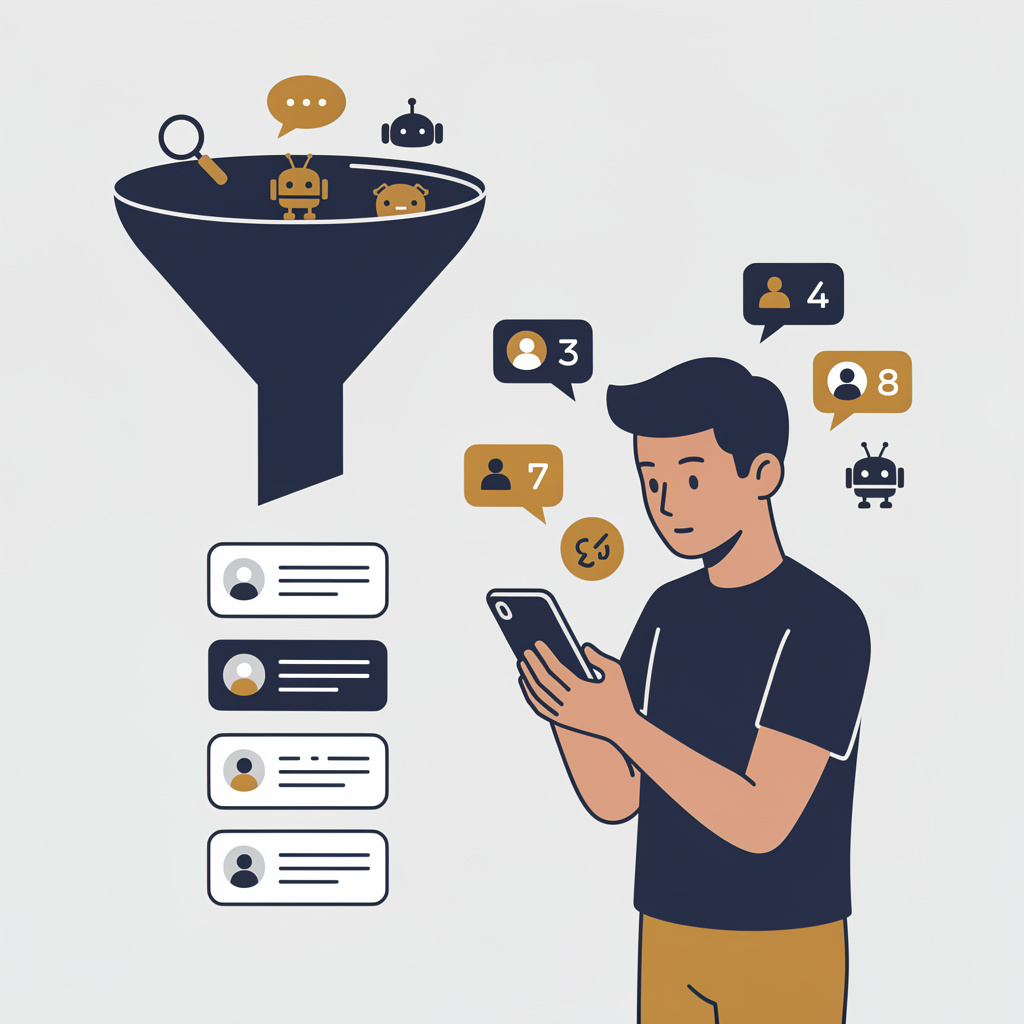
You're getting AI traffic. But do you know where it comes from?
RankControl credits every visit to the assistant that sent it: ChatGPT, Perplexity, Claude, Gemini, Copilot, or Grok. Full source attribution, next to your Google traffic.
The Current Mechanic Nobody Explains Well
Here is the part most SEO threads skip. AI engines are not watching your video. They are reading the caption track and pulling the cleanest passage that answers the query. That is why production value barely matters for citation, and why a plain screen recording that clearly says the answer at the 42-second mark gets lifted as fast as a polished tutorial. It is also why so many teams that invest in video get zero AI traffic from it: the transcript buries the answer, or the video has no transcript at all.
Which brings the important corollary. Native audio in Omni Flash is a preview of native audio in the understanding models. When the AI Mode default eventually gets native audio understanding, and Google is now telegraphing that it will, un-captioned podcast segments and audio-forward video become extractable in ways they mostly are not today. The current mechanic favors sites with clean transcripts and VideoObject schema; the next one will favor sites with clear audio content and answer-first spoken passages, whether or not anyone bothered to caption them. Podcast pages that ranked as citations look prescient right now for the same reason.
The gap in citation source mix between engines is already meaningful. Community trackers of 2,400 comparative citations across ChatGPT, Claude, Perplexity, and Gemini reported forum threads doing 41% of Perplexity's citation work but 6% of Claude's, with long-form articles inverted between the two. Gemini's source personality is going to keep changing as its understanding stack picks up new modalities faster than the others.
What Founders and SEO Teams Should Do This Month
Not much, and specifically not much. That framing matters. Panic-shipping short videos in July because a generation model launched in June is the wrong pattern. Here is the compressed list of moves worth doing before the next Google model drops:
- Transcribe everything you already have. Podcasts, webinars, product demos, founder interviews, YouTube uploads. Every piece of spoken content becomes a citation candidate the moment its transcript is on your site or in the video description. This is the cheapest AEO work in the building and it is still not done at most SaaS companies.
- Front-load the answer inside video and audio. The 45-second mark is the golden window for citation extraction based on the OtterlyAI timestamps. Say the crisp version of your answer early, in words a transcript would render cleanly. Nod at nothing.
- Publish VideoObject schema and transcripts on every video landing page. Metadata is still the fastest path to being surfaced. Timestamps in the description double as citation hooks; AI Overviews use them at 73%.
- Watch the mix in your monitoring alongside the count. AI referrals are still under 3% for most sites, but the split between text, video, and audio citations is where the story is now. Our AI visibility tracking lists the domains the engines cite for your queries, so you can see YouTube and podcast hosts show up before the aggregate numbers move.
- Do not commission AI-generated video for AEO yet. The tempting shortcut is to run Omni Flash to produce short explainers, but SynthID and C2PA now flag every clip as machine-made, and AI engines will begin discounting AI-generated video sources. Human-recorded content with clean transcripts will keep the citation edge for at least the next model cycle.
We'll show you exactly where your brand stands in AI search.
No commitment. $0 due today, cancel anytime. See how ChatGPT, Perplexity, Claude, Gemini, Grok, and Google AI Mode talk about your brand today.
Where the Consumer Signal Already Lives
Look at YouTube itself for the fastest read on where citation surfaces are heading. Gemini is now embedded across YouTube video pages, generating suggested questions and summaries directly on the watch page. The reaction thread on that rollout crossed 2,800 upvotes:
Youtube is adding Gemini to their videos now?
What even is the point just watch the video and it's all there, probably for people with the attention span of a belgian malinois
The visible feature there, Gemini answering questions about the video without a human clicking play, is the same underlying capability that populates AI Mode citations. When that capability picks up native audio understanding, and it will, the citation pool for AI answers stops being a text-plus-transcript pool and becomes a text-plus-transcript-plus-spoken-audio pool. That expansion is the argument. And the content engine already writes answer-first pages by default because the same principle held for AI answer surfaces months before Omni Flash gave everyone a preview of what native understanding will do next.
Know exactly what AI says about your competitors.
RankControl's Recon Agent monitors competitor citations across ChatGPT, Perplexity, Claude, Gemini, Grok, and Google AI Mode. See where they show up and you don't.

Omni Flash is not the model changing citations today. It is the launch that told you which model will be changing them next. Six hours of transcription work this week is a cheaper ticket than a scramble in October, and the sites that treat the June 30 announcement as a signal rather than a story will look prescient in the September retrospective.