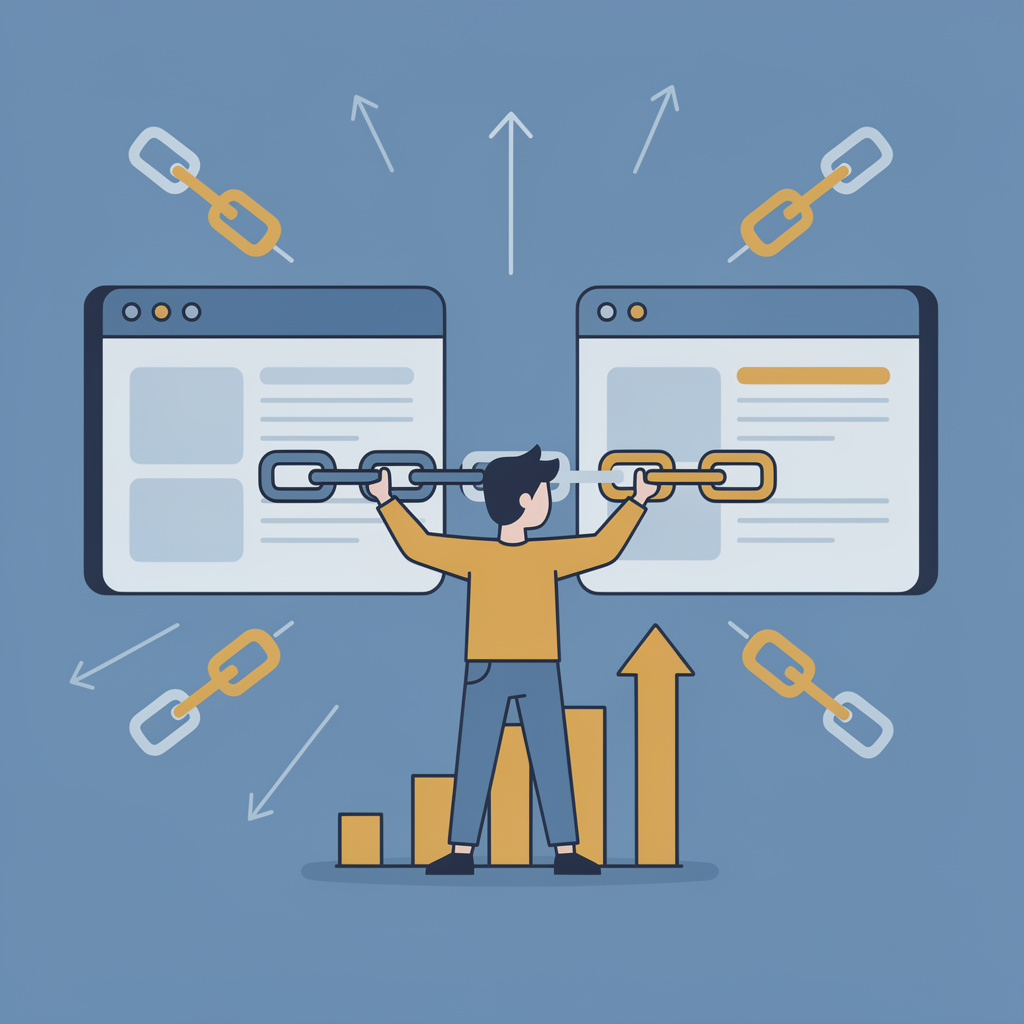
Anthropic published its latest threat intelligence report on September 10, and most of the coverage went to the cyber operations. The section marketers should read twice is the one about influence operations: nine disrupted campaigns that used Claude to write fake news sites, run networks of invented social profiles, impersonate real people, and sell influence as a service. The Anthropic misuse report September 2026 edition is, in practice, a governance document for the AI answer layer. It shows a model provider policing what its systems are used to produce, at scale, before the content ever goes live.
If your growth depends on showing up in AI answers, that policing is now part of your operating environment.
What the September 2026 Misuse Report Covers
The report documents operations Anthropic's Threat Intelligence team identified and disrupted between December 2025 and August 2026, spread across seven harm areas: cyber operations, influence operations, surveillance, scams and fraud, biological misuse, conventional weapons development, and illicit model distillation. The actors ranged from suspected state-sponsored groups and commercial spyware vendors to financially motivated criminals and lone political operators. One case involved a network of fake dating apps built to defraud users.
Two findings frame everything else. First, sophisticated attacks no longer require sophisticated attackers. AI has collapsed the labor gap that used to separate state-level operations from individuals, so sophistication has stopped being a reliable signal of who is behind an operation. Second, the misuse itself has become agentic. Most of the documented operations used multi-agent frameworks that executed work autonomously while humans set targets and reviewed results.
Worth noting: Anthropic says the misuse ran on its Haiku, Sonnet, and Opus models. Its newer Fable and Mythos-class models showed up in none of the cases except a single illicit distillation attempt.
The Influence Operations Are the Part Marketers Should Study
Nine disrupted campaigns, originating in Russia, Iran, Turkey, the Gulf, South Asia, Africa, and Europe, targeting audiences on six continents. The operators included governments, state media, private firms selling influence to paying clients, domestic political operators, and one opposition movement in exile.
The mechanics are what make this relevant beyond geopolitics. Anthropic describes actors using Claude as a newsdesk: slotted into an existing editorial pipeline as a sub-editor and content creator, letting low-resourced teams publish at a scale they could never staff. Other actors built the entire apparatus with the model, from persona systems and target databases to opposition dossiers and scoring rubrics for ranking their own operators. One pattern the report spells out: a hundred social media accounts that look like ordinary citizens, all amplifying the same view in the same week, with nothing on the surface identifying who is behind it.
Several campaigns were timed to elections. Russian state media produced fabricated claims about Moldova's president ahead of the September 2025 vote. A pro-government operator in Kenya prepared fake grassroots posts for the 2027 general election, two years early.
And here's the detail that should reframe how you think about AI content pipelines: in two of the cases, the influence operation was run by a working advertising or marketing firm, alongside its ordinary client work.

Built by the team that got cited in 48 hours.
Content generation, backlink building, AI visibility tracking, and Google rankings. One platform, zero guesswork.
Model Providers Are Now Governing the Answer Layer
Backing up a step, because the word "governance" gets thrown around loosely. What the report describes is concrete. A social platform usually sees a manipulation campaign after the content is circulating. Anthropic sees it earlier, while the operation is still being built, because planning targets and drafting content inside Claude produces signals its detection systems are trained on. It then bans the accounts, attributes the operation, feeds the tactics back into its safeguards, and shares intelligence with authorities and industry partners.
That's governance of the answer layer in working form: the same companies that generate AI answers are policing what their models ingest, retrieve, cite, and help produce.
The tradeoff got called out quickly. A discussed r/ClaudeAI thread argued the report has no winners, because the same monitoring that catches propaganda networks means your prompts are being watched too. The privacy tension is real, and it isn't going away.
Anthropic’s new report has no winners — and the part nobody is talking about is user privacy
I've been reading Anthropic's new threat intelligence report, and I feel like the discussion is focusing almost entirely on "Chinese labs were distilling Claude." But there's another side to this that seems much more important for normal us...
Honestly, both readings are correct. The surveillance question deserves its own debate. But for anyone doing visibility work, the operational fact stands: manipulation of the information environment is being detected upstream now, at the tooling layer, before distribution.
Where the Line Falls for GEO
Now map the report's playbook against the gray end of AI search tactics. Networks of thin sites publishing coordinated content. Fake grassroots threads seeded to influence AI training and retrieval. Invented personas with manufactured expertise. Mass-produced reviews. Sound familiar? The influence operators and the GEO spammers are running the same machinery at different stakes, and detection systems key on patterns, not intent.
That's the uncomfortable part. The reassuring part is the flip side: everything the detection net is built to catch is defined by inauthenticity. Concealed origin. Coordinated amplification. Manufactured consensus. Personas that don't exist.
The durable strategy is whatever survives that filter. Real authors with verifiable bylines and author schema. A domain with consistent entity signals and history. Citations earned from sources that would vouch for you if asked. Communities where your brand shows up as itself, which is exactly why authentic Reddit presence beats seeded threads. None of this is fast. All of it compounds, and none of it sits in the crosshairs of a threat intelligence team.
See your first AI citation report in under 5 minutes.
No setup calls. No onboarding meetings. Connect your domain and see where AI mentions your brand right now.
What B2B SaaS Teams Should Do With This Report
Four moves, in order of urgency.
- Audit your tactics against the manipulation shapes. If an agency pitch involves networks of sites you don't own, personas that don't exist, or coordinated posting that hides who's paying, that's the shape the report documents. Walk away. The common AEO mistakes that kill visibility list keeps growing at the gray end.
- Make your authority verifiable. Named authors, real credentials, consistent entity data, a public history that checks out. Engines under governance pressure will keep raising the weight of provenance.
- Earn citations from durable sources. One mention in a source an AI engine trusts beats fifty pages on domains it has learned to discount.
- Watch your brand's answers on a schedule. Polluted or manipulated answer environments get corrected over time, and corrections reshuffle who gets cited. Tracking your citations across engines weekly is how you notice the reshuffle while it's happening rather than a quarter later.
The first audit takes an afternoon. The monitoring habit takes a few hours a month if you run it by hand. Or RankControl's agents can track every engine weekly and flag the changes for you while you build product.
The Governed Era of AI Search Is Starting
Anthropic promised continued reports, and the other labs face the same pressures, so expect this to become a genre. Each report will teach detection systems new tactics, and each update will quietly reweight which sources AI engines trust. For what it's worth, we think the direction only runs one way: heavier provenance weighting and less tolerance for coordinated inauthenticity.
The window where manipulation-shaped GEO tactics work is closing while the payoff for verifiable authority keeps compounding. Pick the side of that trade the threat intelligence teams aren't hunting.
Your competitors are building backlinks while you read this.
Organic outreach, social mentions, exchanges, and done-for-you link building. Four ways to grow your domain authority on autopilot.