I pulled up our analytics dashboard last Thursday and something looked wrong. Organic traffic from Google was down 18% quarter over quarter. Rankings hadn't changed. We were still sitting in positions 2-4 for our target keywords. But the clicks just... weren't there anymore.
Turns out, they were never going to be. Sixty percent of Google searches now end without anyone clicking anything. And that number is climbing.
The Numbers Are Worse Than You Think
Here's what's actually happening. Similarweb's published data puts zero-click searches at roughly 69% of all queries. Bain's research, from a survey of over 1,100 consumers, found that 80% of people rely on zero-click results for at least 40% of their searches. And global publisher traffic from Google dropped 33% in 2025 alone, according to Chartbeat and the Reuters Institute.
That last stat hit me hardest. Not a gentle decline. A third of all publisher traffic, gone in twelve months.
Gartner predicted a 25% drop in search engine traffic by 2026. They were conservative. Seer Interactive ran a study in late 2025 showing AI Overviews cut organic click-through rates by 61% on queries where they appeared. Sixty-one percent.
So what's eating the clicks? Two things happening at the same time.
Google is answering queries itself. AI Overviews now show up on about 30% of informational queries. Featured snippets cover even more. Knowledge panels, People Also Ask boxes (78% of results have them), calculators, weather, sports scores. Google has been building a wall between searchers and websites for years. AI Overviews just made that wall three stories taller.
AI search engines are replacing Google entirely for some queries. ChatGPT saw a 44% traffic boost in November 2024. Perplexity crossed 15 million monthly users around the same time. These platforms answer questions directly, sometimes citing sources, sometimes not. When they do cite a source, the user often reads the answer and moves on without clicking through.
Before I get into what to do about it, let me be clear about one thing: this isn't a temporary dip. The incentive structures are locked in. Google makes money from ads, not from sending you traffic. AI search engines make money from subscriptions, not from sending you traffic. Nobody in this ecosystem is incentivized to send clicks your way.
Why Your SEO Dashboard Is Lying to You
Most SaaS founders I talk to are still looking at the same three metrics: organic traffic, keyword rankings, and click-through rate. All three are now misleading.
Traffic is down even when rankings are stable. You can hold position 3 for "best project management software" and watch your clicks from that keyword drop 40% in six months. The ranking didn't change. The SERP did. An AI Overview now sits above you, answering the query before anyone scrolls down.
Your CTR isn't dropping because your meta descriptions got worse, either. It's dropping because the search results page changed around you. Optimizing title tags and meta descriptions for CTR is like rearranging deck chairs. The ocean is the problem, not the chairs.
And then there's the blindspot that gets me: you might rank #1 on Google for "citation tracking software" and not appear anywhere in ChatGPT's or Perplexity's answers for the same query. Two completely different visibility games, and your rank tracker only measures one of them. (Our comparison of all four AI search engines breaks down why each platform cites sources so differently.)
Slight detour, but this matters. I was talking to a SaaS founder last month who showed me his board deck. Beautiful hockey stick chart of keyword rankings going up and to the right. Twelve new page-one positions in Q4. Revenue from organic was flat. When we dug into the data, most of those keywords had been eaten by AI Overviews. He was winning a game that no longer paid out.
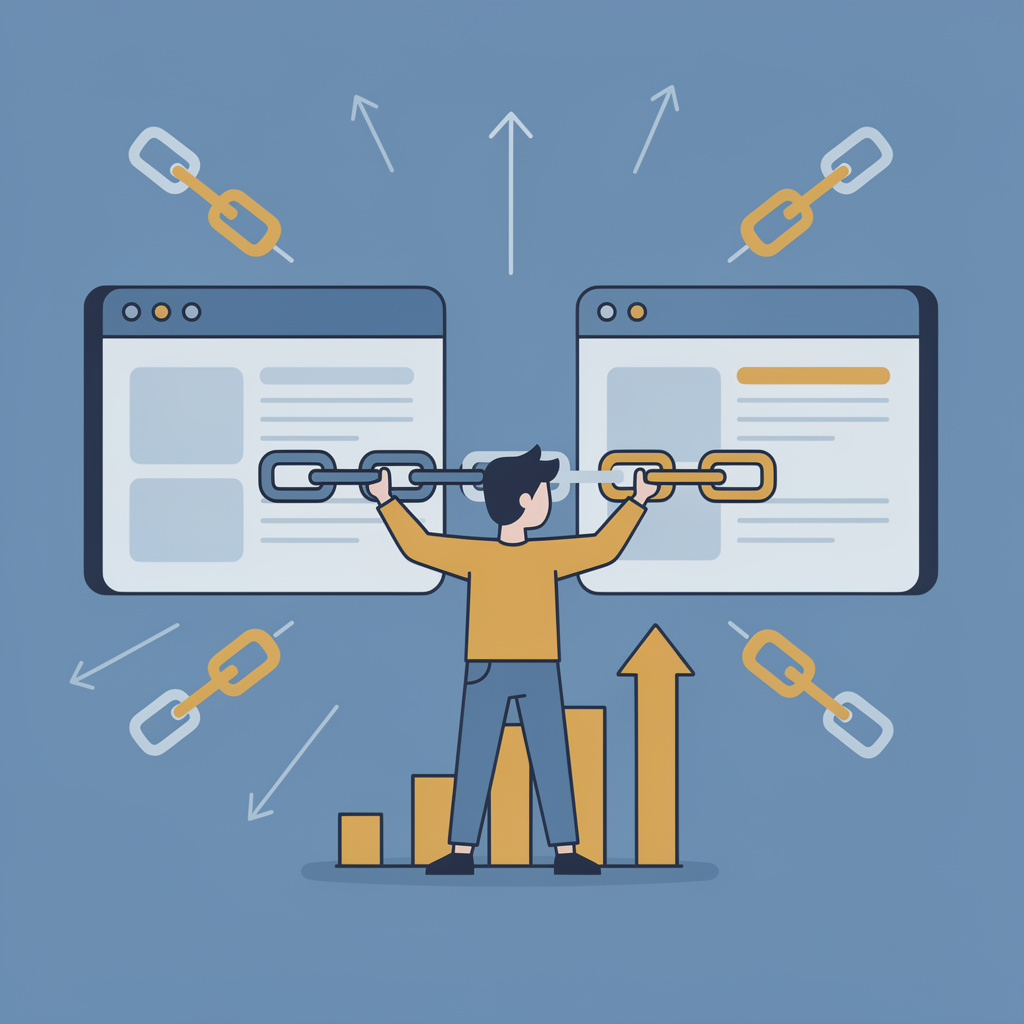
Your competitors are building backlinks while you read this.
Organic outreach, social mentions, and citations from Editorial Circle member sites, with managed backlinks available as an add-on. Grow your domain authority without running the campaign yourself.
The Metric That Actually Matters Now
If clicks are dying, what do you measure instead? Citations.
A citation is when an AI search engine mentions your brand, quotes your content, or links to your page in its response. It's the new unit of visibility. And unlike a click, a citation carries implicit endorsement. When ChatGPT says "According to [your product]..." that's a recommendation with weight behind it.
Here's why this matters for revenue.
Semrush research shows that visitors who arrive from AI chatbot referrals convert at 4.4x the rate of traditional organic search visitors. The volume is smaller, sure. But the intent is wildly higher. Someone who clicked through from a ChatGPT citation already had your product recommended to them by something they trust.
Plus, citations create a halo effect on branded search. When prospects keep seeing your name in Perplexity answers and ChatGPT recommendations, they eventually search for you by name. Branded searches have always converted better than generic ones. Zero-click visibility is what generates those branded searches now.
Our AI visibility tracking data across customer accounts shows a consistent pattern: brands that appear in 3+ AI search engines for their target queries see branded search volume increase 20-40% within 90 days. The clicks aren't coming from the informational queries anymore. They're coming from the branded queries that zero-click visibility creates downstream.
Five Moves That Work Right Now
OK, so the old playbook is broken. Here's what's actually working for SaaS companies in 2026. I'll be specific about time investment because that matters when you're deciding between doing this yourself and automating it.
1. Rewrite Your Top Pages for Citeability
AI search engines don't cite your page because it ranks well on Google. They cite it because it answers questions in a quotable format.
The formula: every H2 section needs to open with a direct, 30-50 word answer to the question that section addresses. Not a transition sentence. Not context. The answer, first. Then you can explain, add nuance, give examples.
We covered this in detail in our beginner's guide to getting cited, but the short version: structure your content like you're writing for someone who will only read the first two sentences of each section. Because that's exactly what AI models do.
Add FAQ schema to every page. Include comparison tables instead of prose where possible. Put a definitive number in every section. "Our tool handles 50,000 checks daily" is quotable. "Our tool is really fast" is invisible to AI.
Budget about 3-4 hours per page for this kind of rewrite. A 15-page SaaS site takes about two weeks of focused work.
2. Track Citations Instead of Rankings
You need to know where you appear in AI search and where you don't. That means regularly querying ChatGPT, Perplexity, Claude, and Gemini with the same questions your prospects ask, then logging whether you show up.
Doing this manually takes about 4-5 hours per week for 20 target queries across four platforms. That's the reality of monitoring. Most teams do it for two weeks, get busy, and stop. Which is exactly when a competitor's content starts getting cited instead.
RankControl runs this automatically. RankControl runs this automatically. Our agents check your citations across six engines every week and notify you when you gain one. But if you want to start manually, a simple spreadsheet with query, platform, cited (yes/no), and date will get you 80% of the insight. Expect to spend 4-5 hours per week on this if you're doing it by hand.
3. Own the Featured Snippet for Your Core Queries
Snippets are zero-click by definition. But here's the thing nobody mentions: they're also the #1 source that AI Overviews pull from. If you own the snippet, you're likely appearing in the AI Overview too. That's two zero-click visibility wins from one piece of content.
Seer Interactive's research shows that 40.7% of voice search answers come from featured snippets. So add voice search visibility to that list too.
Format your content specifically for snippet capture: use 40-60 word paragraph answers, structured lists, comparison tables, and definition-style opening sentences. And keep those snippets updated. Content freshness matters more than ever for snippet selection.
Most SaaS sites have 10-15 snippet opportunities worth pursuing. Figure 2-3 hours per snippet to get the formatting right.
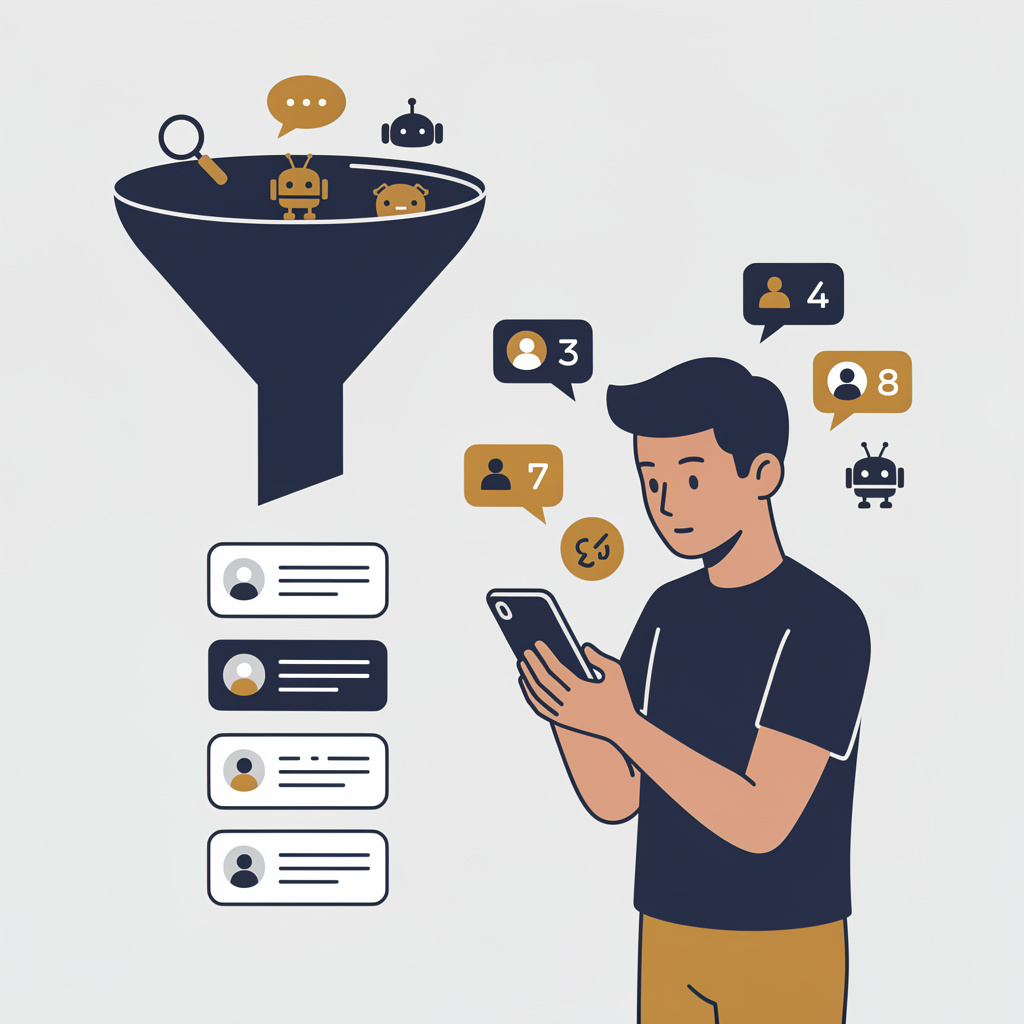
You're getting AI traffic. But do you know where it comes from?
RankControl credits every visit to the assistant that sent it: ChatGPT, Perplexity, Claude, Gemini, Copilot, or Grok. Full source attribution, next to your Google traffic.
4. Build Entity Authority Across Platforms
Google and AI search engines both use entity recognition to decide who's authoritative on a topic. An entity is basically "does the internet understand what your brand is and what it's about?"
This means your brand needs to show up consistently across platforms: your website, industry directories, podcast appearances, community contributions, and content that other sites reference. Not with backlinks (though those help). With consistent, accurate information about what you do and who you serve.
Schema markup helps here. SameAs properties in your organization schema tell search engines which external profiles are yours. SoftwareApplication schema tells them what your product does. Author schema builds credibility for your content team.
Here's what most people miss: your website isn't your only content surface anymore. Your content strategy needs to account for how you show up in AI search responses, on podcasts, in community threads. The blog is one channel.
The initial entity audit and schema implementation runs about 8-12 hours. After that, you're looking at maybe 2 hours per month to keep things current.
5. Monitor Competitors in AI Search
Here's one that almost nobody is doing yet. Track whether your competitors are getting cited in AI search for your target queries. If ChatGPT recommends your competitor when someone asks "best [your category] tool," you need to know that.
We see this pattern constantly in our customer data: a competitor publishes one well-structured comparison page and suddenly starts appearing in AI responses for a dozen queries. By the time you notice the traffic impact (which could be months, since AI citations don't show up in Google Analytics), they've built citation momentum that's hard to reverse.
The fix is monitoring. Check AI responses for your target queries weekly. Track which competitors appear. Note what content of theirs gets cited. Then build better, more quotable content targeting those same queries.
This takes about 3-4 hours per week if you're thorough. Or automate it and let the tools catch it while you sleep.
The Math on DIY vs. Automation
Let me add up the time costs from the five moves above.
- Content rewrites: 40-60 hours (one-time for a 15-page site)
- Citation tracking: 4-5 hours per week, ongoing
- Snippet optimization: 20-45 hours (one-time)
- Entity authority: 8-12 hours (one-time) + 2 hours per month
- Competitor monitoring: 3-4 hours per week, ongoing
That's roughly 70-120 hours for the initial sprint, then 8-10 hours per week to maintain. Every week. Forever. Because the real problem isn't doing this once. It's knowing when things change, when competitors start getting cited, when an AI Overview starts pulling from someone else's content instead of yours.
You can absolutely do all of this manually. It works. The question is whether spending 8-10 hours per week on monitoring is the best use of a founder's time, or whether RankControl's agents can handle it while you focus on building your product.
What Happens If You Do Nothing
To be honest, doing nothing is also a strategy. A bad one, but a strategy.
If zero-click keeps growing at its current rate, and there's no reason to think it won't, here's the trajectory for a SaaS company that ignores it:
Your organic traffic declines 15-25% year over year even as your rankings stay stable. Your competitors who optimize for AI citations start capturing the "invisible" visibility that generates branded searches. Your pipeline from organic slowly dries up while your CAC from paid channels keeps rising.
The founders who are paying attention right now have a window. AI citation patterns are still forming. The playbooks are still being written. Getting in now, while competitors are still arguing about whether GEO is real (we covered that debate in our GEO vs SEO analysis), gives you a compounding advantage.
Six months from now, every SaaS company will be optimizing for AI citations. The ones who started today will already have the citation history and content structure that AI models prefer.
We'll show you exactly where your brand stands in AI search.
No commitment. $0 due today, cancel anytime. See how ChatGPT, Perplexity, Claude, Gemini, Grok, and Google AI Mode talk about your brand today.